French Spaniel vs Pudelpointer
Side-by-side comparison across all 14 AKC trait ratings, with a clear verdict on which breed fits which kind of household.

Not sure which breed fits your life?
Answer five questions about your home, your schedule, and your tolerance for shedding. We’ll match you to your top three breeds from over 200.
French Spaniel vs Pudelpointer
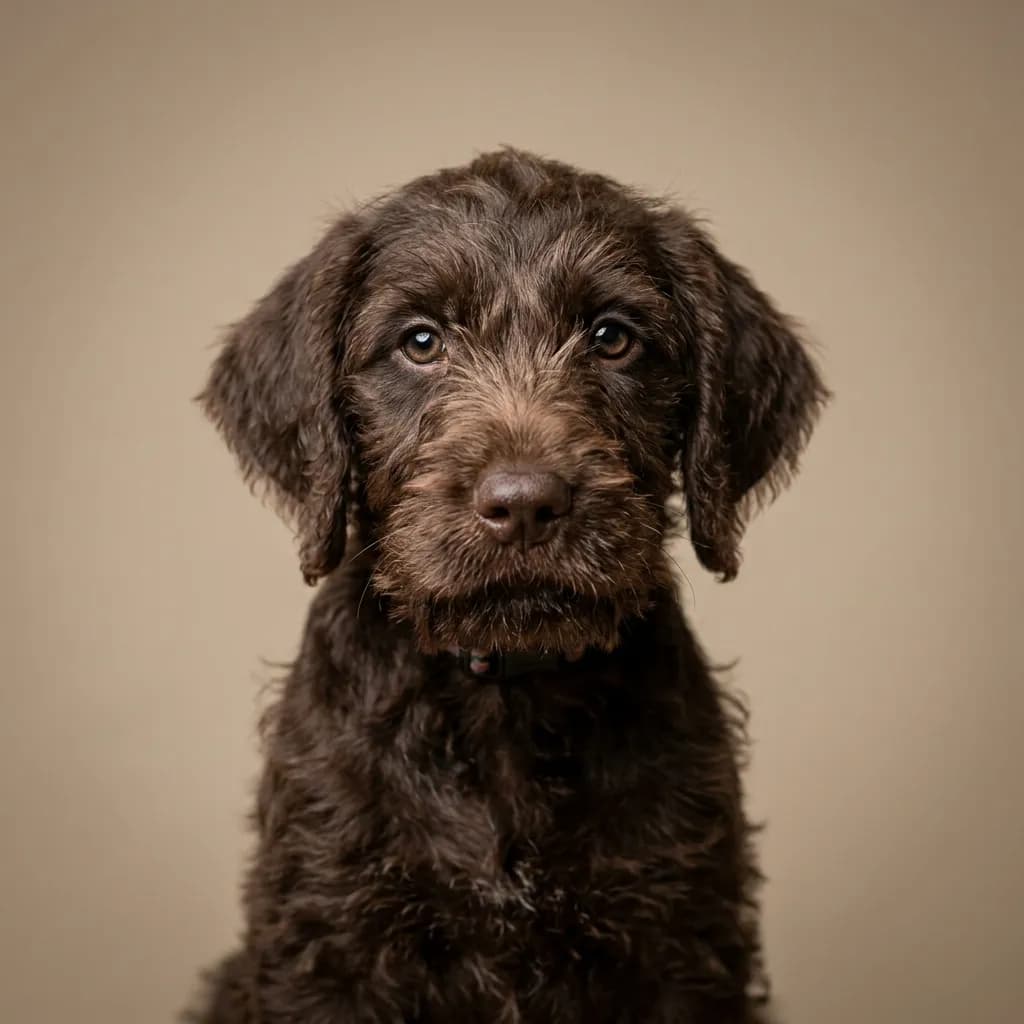
People compare the French Spaniel and Pudelpointer because they’re both versatile, intelligent hunting dogs with a soft side for family life. On paper, they look similar. medium to large, energetic, trainable, thriving in active homes. But if you’re choosing between them, the devil’s in the details that only real life reveals. The French Spaniel is the gentler soul. He’s deeply bonded, all-in on affection, and lives for kids and companionship. He’s the dog who’ll sit quietly beside your youngest at breakfast then blaze through a field all day pointing and retrieving birds. He wants to please, learns fast, and fits well in a rural family setting. But he doesn’t do boredom well, and without outdoor access, he’ll wilt. The Pudelpointer is built for purpose. A German cross between a Poodle and Pointer, he’s tougher, more intense, and mentally sharper. He needs serious mental work. hunting, training, advanced tasks. or he’ll find his own job, like dismantling your backyard. He’s still affectionate, but not a constant cuddler. His sweet spot is with hunters who work land and water, who want one dog to track, point, and retrieve in any terrain. Here’s the real difference: the French Spaniel fits better in a family that hunts. The Pudelpointer fits better in a hunter who has a family. And one insight the data misses? The Pudelpointer’s low shedding isn’t the hypoallergenic promise some hope. it’s still a dog with hair and dander, and if allergies are your concern, neither breed is a safe bet. Both need commitment. But if you’re active, outdoorsy, and want a smart partner, either will earn their keep. Choose warmth. go French. Choose drive. go Pudelpointer.
Trait-by-trait
Higher bar = more of that trait. Shedding, barking, drooling, grooming flipped for readability.Where they diverge
Choose the French Spaniel if…
- Active hunters
- Families with children
- Outdoors enthusiasts
- You value good with young children — French Spaniel scores noticeably higher.
Choose the Pudelpointer if…
- hunters
- very active owners
- waterfowl and upland bird hunters
- You value drooling level — Pudelpointer scores higher here.