German Pinscher vs Pudelpointer
Side-by-side comparison across all 14 AKC trait ratings, with a clear verdict on which breed fits which kind of household.

Not sure which breed fits your life?
Answer five questions about your home, your schedule, and your tolerance for shedding. We’ll match you to your top three breeds from over 200.
German Pinscher vs Pudelpointer
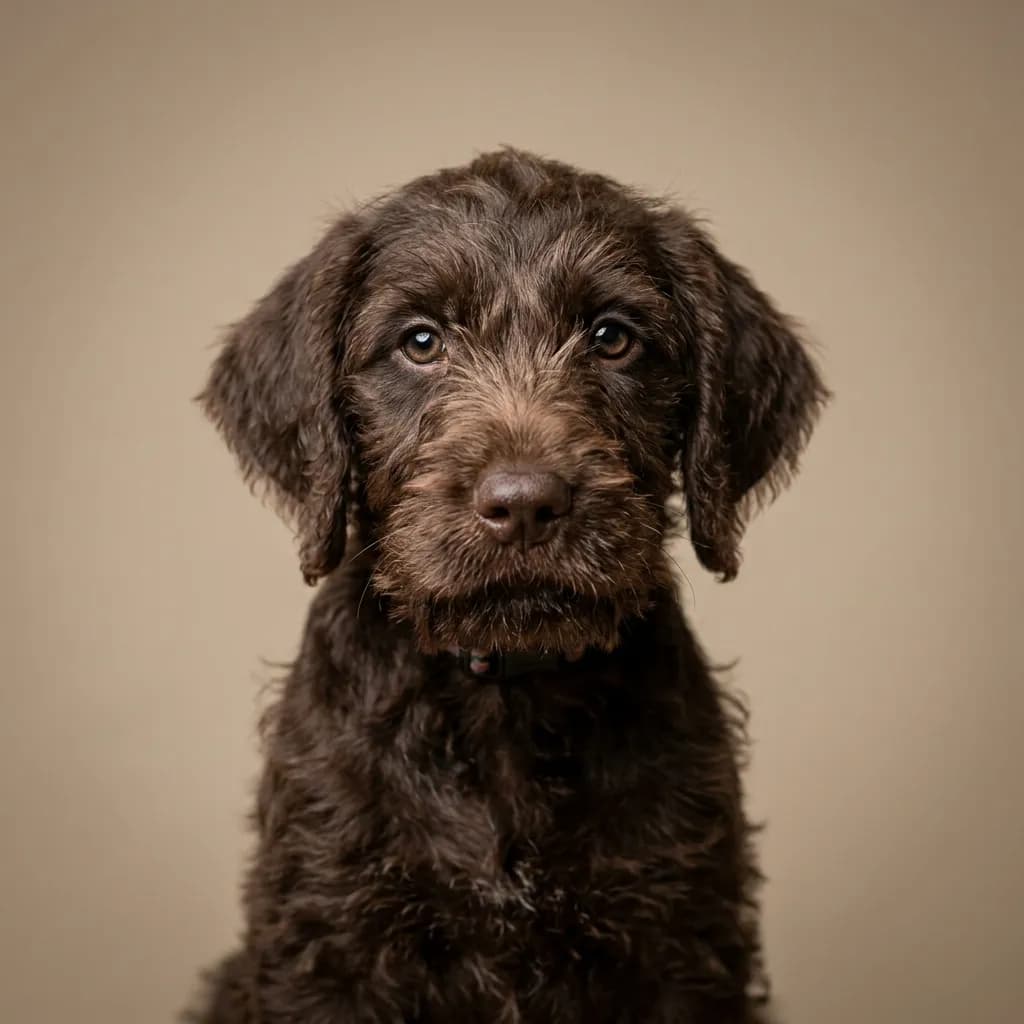
You don’t see German Pinschers and Pudelpointers side by side at the dog park. these breeds don’t exactly cross paths. But if you’re an active person weighing a high-octane companion with presence versus a rugged outdoor partner built for the field, the comparison makes sense. Both are German-born, smart as hell, and demand engagement. But that’s where the road splits. The German Pinscher is like a coiled spring in sleek packaging. At 25 to 45 pounds, it’s agile, alert, and doesn’t miss a thing. It’ll guard your home with quiet intensity and learn tricks in half the time it takes most dogs. But it’s not for the faint of heart. This breed bonds fiercely, yes, but it can be standoffish with kids and will chase small pets like they’re paid to do it. because they were. You need experience, time, and a plan for all that energy. The Pudelpointer? Think of it as the ultimate outdoor co-pilot. Bred to point, retrieve, and swim for hours, it’s bigger. 45 to 70 pounds. and built for terrain. It’s more adaptable than the Pinscher, easier to live with in a rural or suburban home with space. But don’t be fooled by its friendliness. Without daily physical and mental work. think hunting, tracking, or advanced obedience. it’ll turn your backyard into a digging project. Here’s the real talk: the Pinscher wants to be your shadow in a world of order and routine. The Pudelpointer wants to be your partner in adventure, preferably covered in mud. Choose the Pinscher if you want a sharp, loyal guardian with a dash of drama. Choose the Pudelpointer if your weekends involve boots, fields, and a shotgun. or at least long, wild hikes. One’s a sentinel. The other’s a sidekick. Know which you need.
Trait-by-trait
Higher bar = more of that trait. Shedding, barking, drooling, grooming flipped for readability.Where they diverge
Choose the German Pinscher if…
- Experienced dog owners
- Active individuals
- Guard dog purposes
- You value affectionate w/ family — German Pinscher scores noticeably higher.
Choose the Pudelpointer if…
- hunters
- very active owners
- waterfowl and upland bird hunters
- You value drooling level — Pudelpointer scores higher here.