German Spitz vs Siberian Husky
Side-by-side comparison across all 14 AKC trait ratings, with a clear verdict on which breed fits which kind of household.

Not sure which breed fits your life?
Answer five questions about your home, your schedule, and your tolerance for shedding. We’ll match you to your top three breeds from over 200.
German Spitz vs Siberian Husky
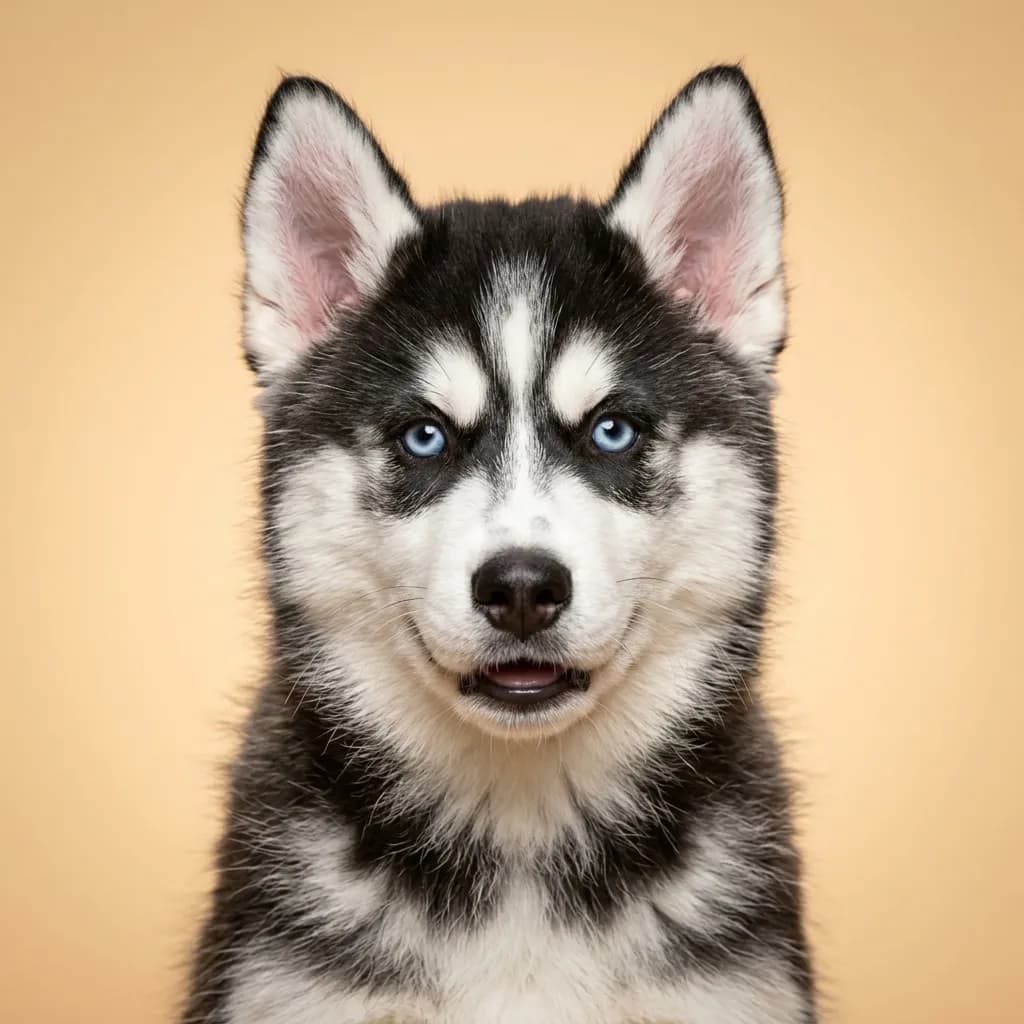
You’re probably comparing a German Spitz and a Siberian Husky because both are fluffy, fox-faced dogs that look like they belong in a fairy tale. But here’s the truth: one was built to sit on your lap and bark at the mailman, the other was built to run 100 miles through a snowstorm. The German Spitz is the pocket-sized watchdog with big opinions. At 25 pounds and under 15 inches, this dog lives for you. It’s sharp, trainable, and will bond fiercely with your family. But it won’t shut up. If you live in an apartment and want a responsive, alert companion who’s fine with moderate walks, this could be your dog. just don’t expect peace and quiet. It’s surprisingly good with kids for its size, but its energy is more “enthusiastic lapdog” than “backyard playmate.” Now, the Siberian Husky? This is a force of nature. At up to 60 pounds and built for endurance, it’s got the heart of an athlete and the will of a Houdini. It loves kids, thrives in cold weather, and will pull you through winter hikes like it’s nothing. But training is a challenge. That independence that made it perfect for surviving the Arctic means it listens when it feels like it. And the shedding? It’s not seasonal, it’s constant, with blowouts that will bury your vacuum. Here’s the real insight: the Spitz wants to be your shadow. The Husky wants to be your teammate. on its own terms. If you want a dog that’s always with you, always listening, go Spitz. If you want a wild-hearted partner for an active, outdoor life and can handle the chaos, choose the Husky. But don’t get a Husky to sit on the couch. You’ll both be miserable.
Trait-by-trait
Higher bar = more of that trait. Shedding, barking, drooling, grooming flipped for readability.Where they diverge
Choose the German Spitz if…
- Apartment dwellers
- Families with children
- Alert watchdog
- You value watchdog / protective — German Spitz scores noticeably higher.
Choose the Siberian Husky if…
- Active owners who exercise daily
- Cold climate households
- Families with children
- You value good with young children — Siberian Husky scores higher here.