Great Pyrenees vs Keeshond
Side-by-side comparison across all 14 AKC trait ratings, with a clear verdict on which breed fits which kind of household.
Not sure which breed fits your life?
Answer five questions about your home, your schedule, and your tolerance for shedding. We’ll match you to your top three breeds from over 200.
Great Pyrenees vs Keeshond
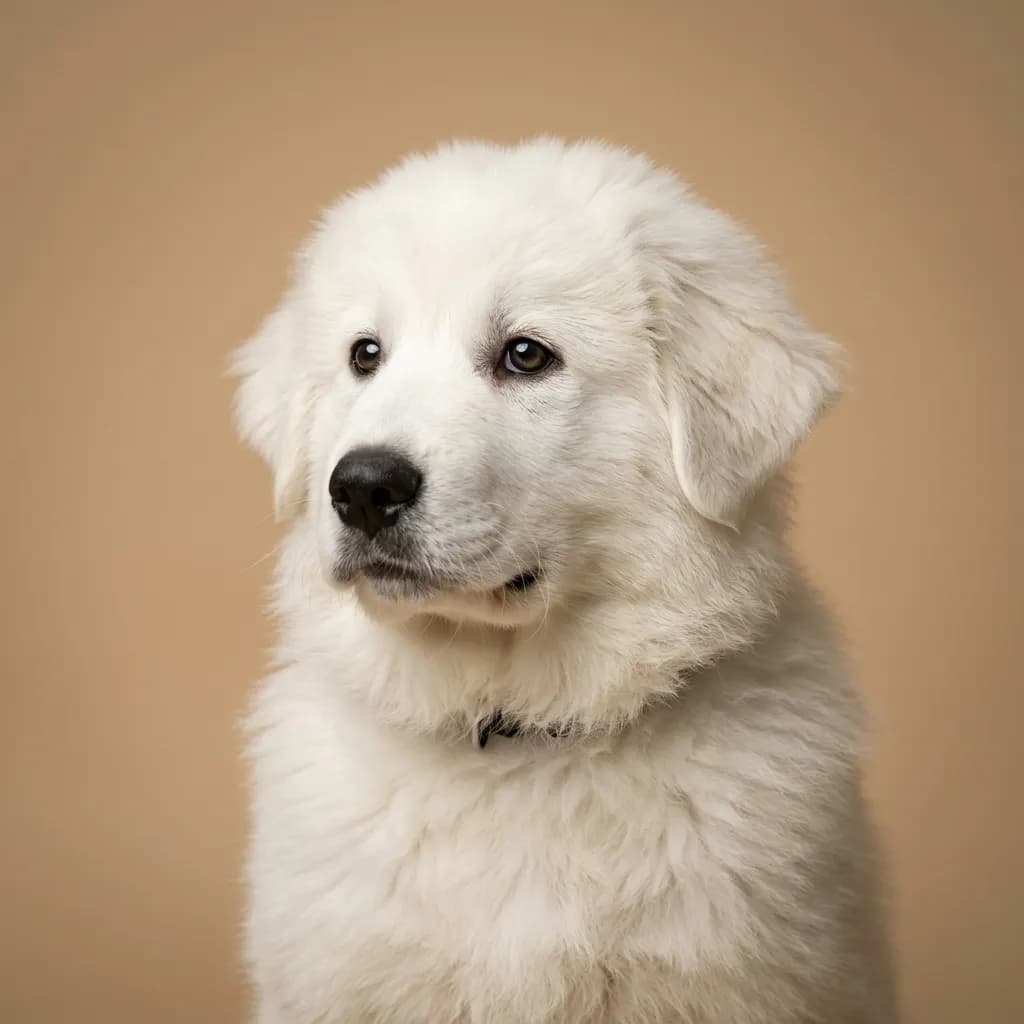
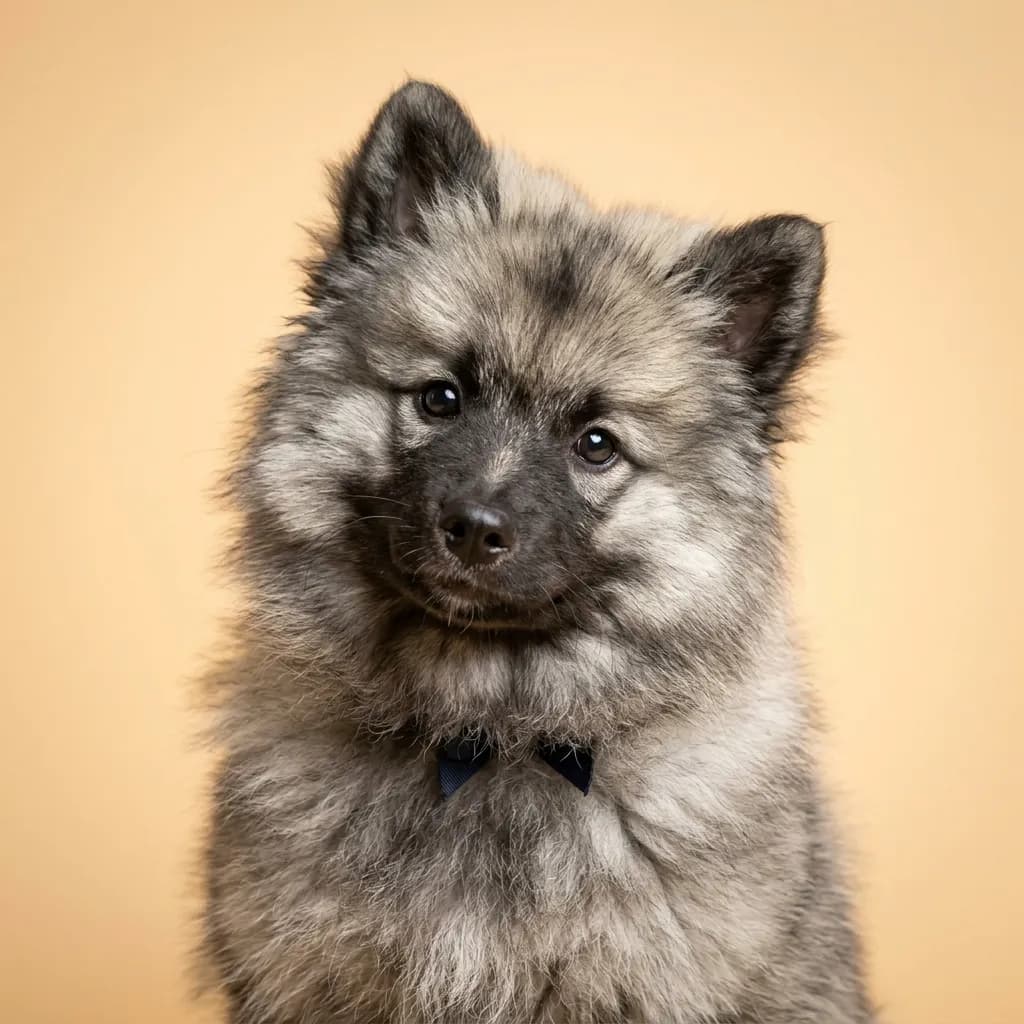
You might be comparing a Great Pyrenees and a Keeshond because both are fluffy, expressive dogs with a teddy-bear look that melts hearts. They’ve got that “snow dog” charm, and they’re both protective in their own way. But beyond the fluff, they’re built for entirely different lives. The Great Pyrenees is a gentle giant, bred to spend nights alone in the mountains guarding sheep. At 100 pounds, calm but alert, he’s not following you from room to room. he’s patrolling the yard, watching for what you can’t see. He’s loyal to the point of stoic, affectionate in quiet ways, and won’t come when called if he’s decided there’s work to do. You need space for him, a cool climate, and the willingness to manage a dog who thinks for himself. He’s not a project. He’s a partner, if you let him be. The Keeshond, on the other hand, is the neighborhood greeter. At 40 pounds, he’s smaller but bursting with personality. barking at every passerby, eager to learn, and glued to your side. He thrives on routine, training, and family interaction. He’ll do fine in a suburban home or even a larger apartment, as long as you’re around. He wants to be included, always. The real difference? The Pyrenees is a guardian first, family second. The Keeshond is family through and through, with a side of watchdog. If you want a dog who’ll bond deeply but still keep a little independence, go Pyrenees. If you want a cheerful, trainable companion who lives for your attention, the Keeshond will steal your schedule. and your heart. Here’s the thing no one says: the Great Pyrenees may look like a dreamy protector, but he’s stubborn in a way that can frustrate first-time owners. The Keeshond might seem easier, but his bark is not optional. You’re getting a 24/7 alarm system with a wagging tail.
Trait-by-trait
Higher bar = more of that trait. Shedding, barking, drooling, grooming flipped for readability.Where they diverge
Choose the Great Pyrenees if…
- Livestock guardians
- Rural or farm living
- Families with children
- You value drooling level — Great Pyrenees scores noticeably higher.
Choose the Keeshond if…
- Families with children
- Active owners
- Cold climates
- You value good with young children — Keeshond scores higher here.