Great Pyrenees vs Newfoundland
Side-by-side comparison across all 14 AKC trait ratings, with a clear verdict on which breed fits which kind of household.
Not sure which breed fits your life?
Answer five questions about your home, your schedule, and your tolerance for shedding. We’ll match you to your top three breeds from over 200.
Great Pyrenees vs Newfoundland
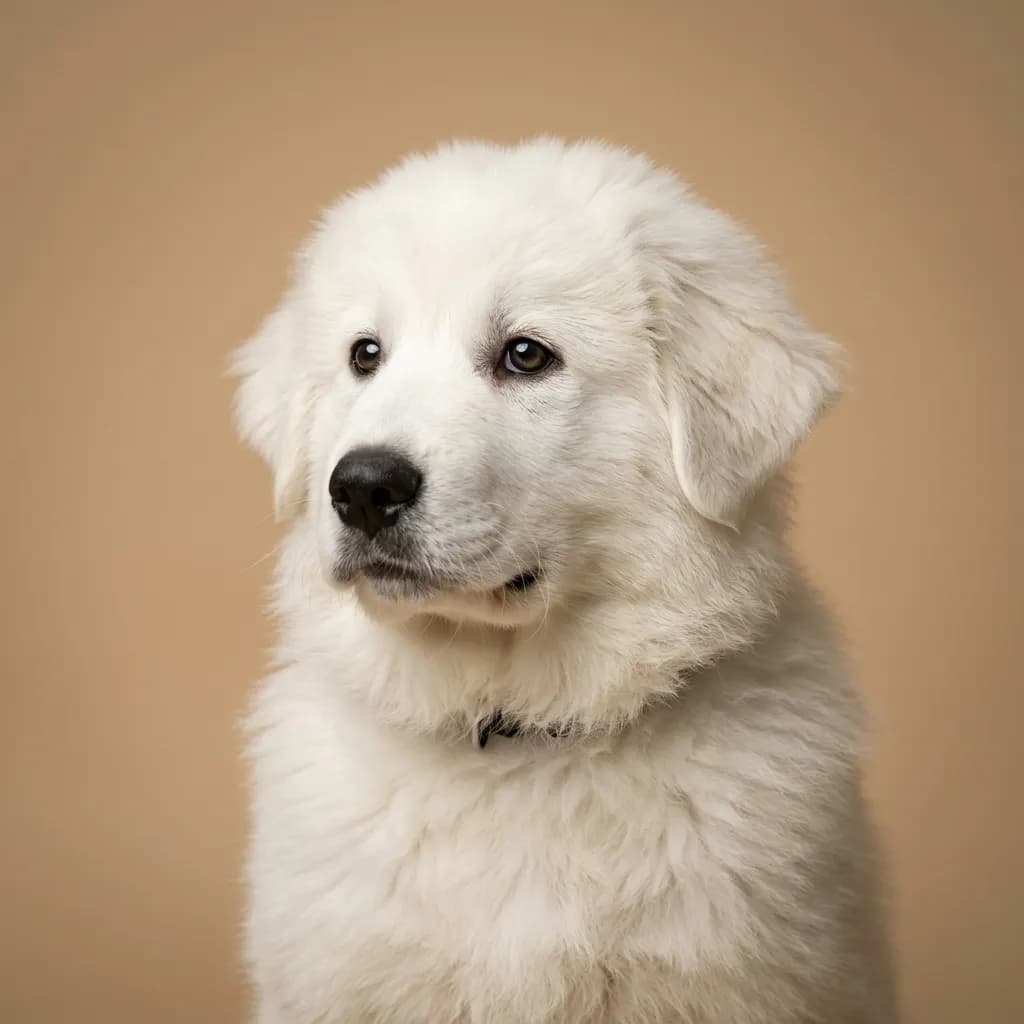
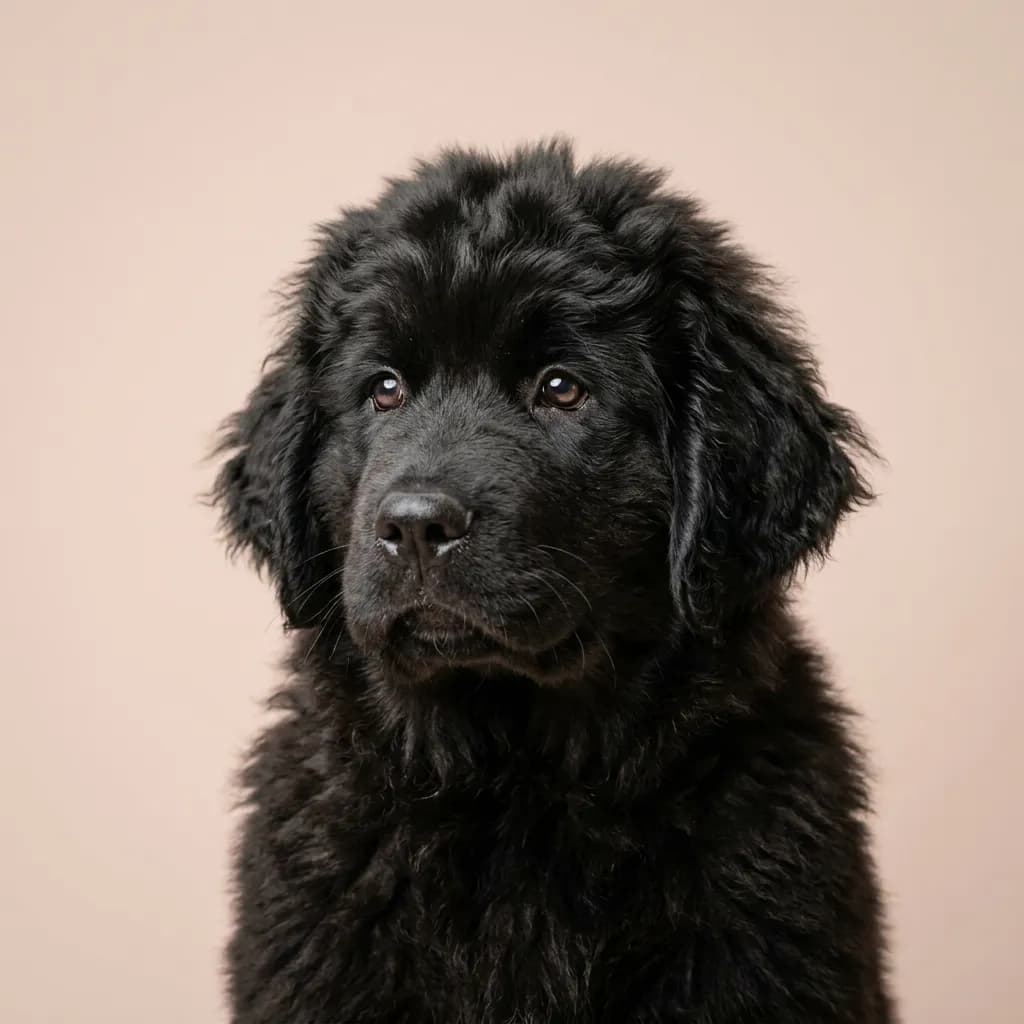
People compare Great Pyrenees and Newfoundlands because they’re both massive, gentle white dogs that look like living teddy bears and seem born to be around kids. But behind that soft exterior, they’re built for very different jobs. and that shapes everything about how they live with you. The Great Pyrenees was bred to spend nights alone on snowy mountain passes, guarding sheep from wolves. That means he’s independent to a fault. He’ll patrol your yard at 3 a.m., bark at a falling leaf, and make decisions without asking you. He’s calm, yes, but also deeply suspicious of change. He thrives in cold climates and rural spaces where he has a job to do. If you live in a suburb or want a dog that comes when called, this isn’t the breed. He’s affectionate, but on his terms. The Newfoundland, in contrast, was pulling fishing nets and rescuing sailors from icy Atlantic waves. He’s a water-loving, people-pleasing giant who lives for human connection. He’ll follow you room to room, lean his entire body against your leg, and never. ever. want to be left alone. He’s quieter, calmer in temperament, and more adaptable to different homes, though his drool and shedding demand respect. Families wanting a loyal, easygoing giant who adores kids and swims like a pro should look at the Newfie. Rural owners who need a vigilant, self-reliant guardian for property or livestock should consider the Pyrenees. Here’s the thing no one talks about: both dogs are big, but the Newfoundland’s size feels softer because he’s so eager to please. The Pyrenees’ size feels heavier because he’s always thinking, always watching. You don’t own a Pyrenees. You negotiate with him.
Trait-by-trait
Higher bar = more of that trait. Shedding, barking, drooling, grooming flipped for readability.Where they diverge
Choose the Great Pyrenees if…
- Livestock guardians
- Rural or farm living
- Families with children
- You value barking level — Great Pyrenees scores noticeably higher.
Choose the Newfoundland if…
- Families with children
- Water and outdoor enthusiasts
- Those wanting a gentle giant
- You value good with young children — Newfoundland scores higher here.