Great Pyrenees vs Poodle
Side-by-side comparison across all 14 AKC trait ratings, with a clear verdict on which breed fits which kind of household.
Not sure which breed fits your life?
Answer five questions about your home, your schedule, and your tolerance for shedding. We’ll match you to your top three breeds from over 200.
Great Pyrenees vs Poodle
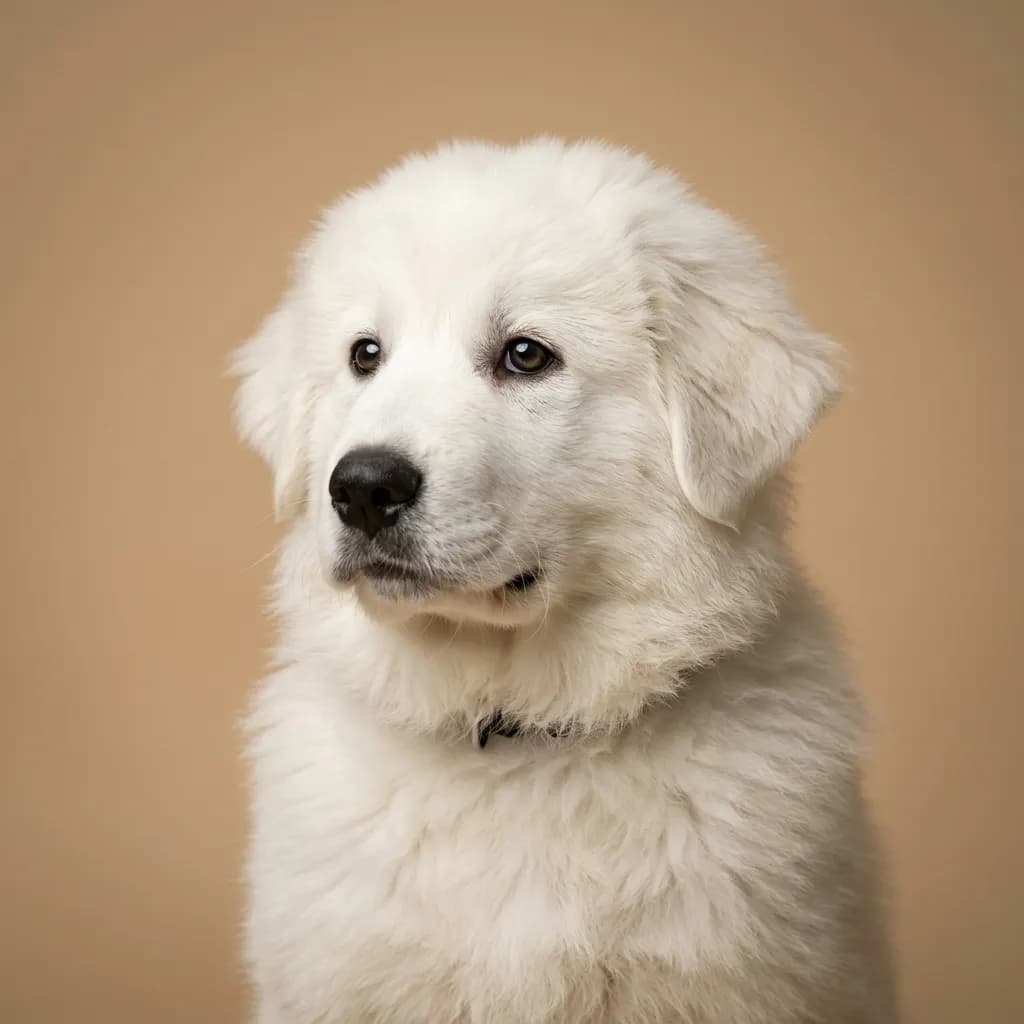
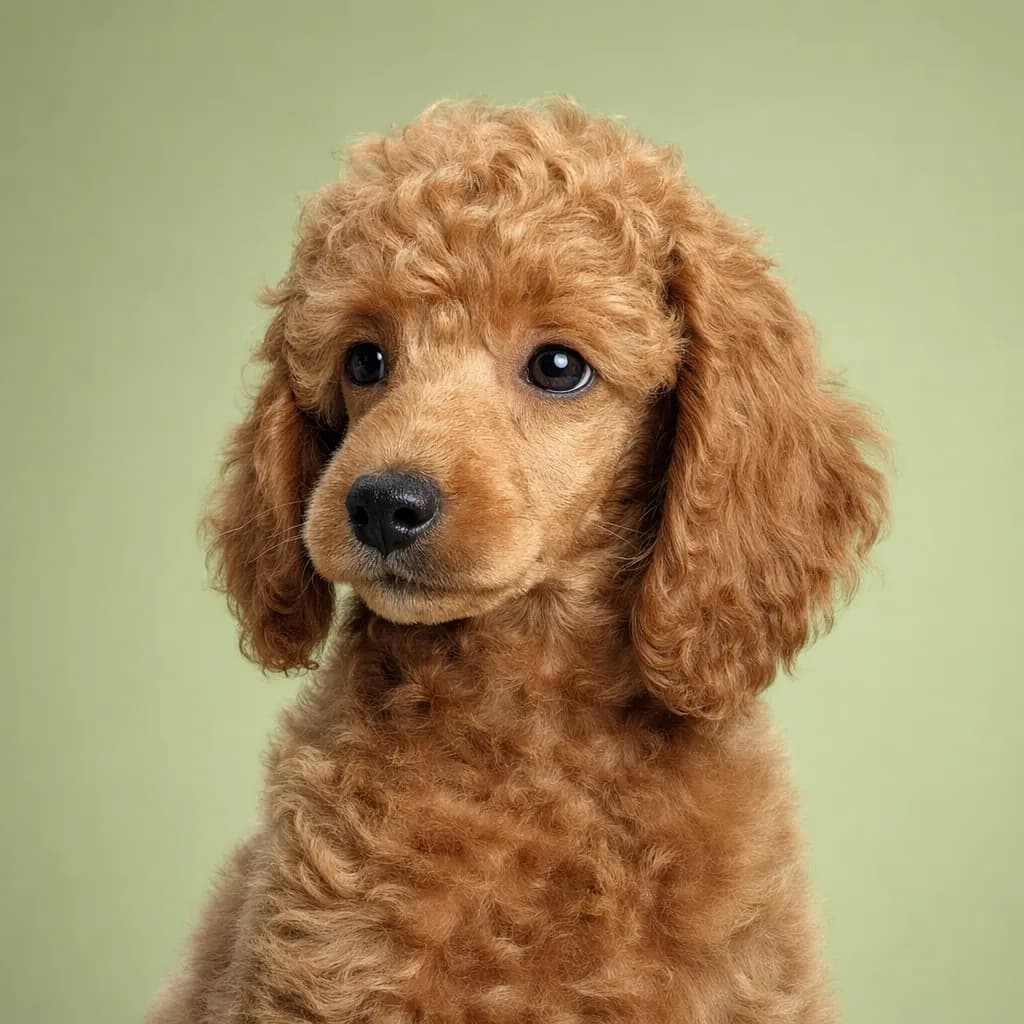
People compare Great Pyrenees and Standard Poodles because they’re both big, white, fluffy dogs that families notice. especially if they want a gentle giant or a hypoallergenic companion. But that’s where the similarities end. These breeds come from entirely different worlds, built for totally different jobs, and they’ll shape your life in opposite ways. The Great Pyrenees is the quiet watcher on the mountaintop. Bred to guard sheep in the French Pyrenees, this dog is calm, independent, and deeply loyal. It won’t fetch your slippers, but it will patrol your yard at 3 a.m. in the snow, doing its job without being told. It’s affectionate in a stoic way, thrives in cold climates, and needs space. this isn’t a dog for city living. You’ll clean up a lot of fur and accept that recall is a fantasy. They’re smart, but they think for themselves. You’re not the boss so much as the consultant. The Standard Poodle is the overachieving athlete with a perm. This dog lives to learn, wins obedience trials, and bonds tightly to its people. It’s energetic, adaptable, and thrives on mental challenges. Allergies? No problem. But you’ll be at the groomer every six weeks, and if you’re not doing something. training, hiking, playing. they’ll invent their own entertainment, usually involving your shoes. Here’s the real difference: The Pyrenees will share your home and protect your family with quiet dignity. The Poodle will want to be your full-time partner in everything. If you want a dog that’s part of the action, go Poodle. If you want a noble, low-demand guardian who’s content just being, choose Pyrenees. Just don’t expect either to act like a “typical” dog. because neither one does.
Trait-by-trait
Higher bar = more of that trait. Shedding, barking, drooling, grooming flipped for readability.Where they diverge
Choose the Great Pyrenees if…
- Livestock guardians
- Rural or farm living
- Families with children
- You value shedding level — Great Pyrenees scores noticeably higher.
Choose the Poodle if…
- Allergy sufferers
- Active families
- First-time owners
- You value good with young children — Poodle scores higher here.