Great Pyrenees vs Schapendoes
Side-by-side comparison across all 14 AKC trait ratings, with a clear verdict on which breed fits which kind of household.
Not sure which breed fits your life?
Answer five questions about your home, your schedule, and your tolerance for shedding. We’ll match you to your top three breeds from over 200.
Great Pyrenees vs Schapendoes
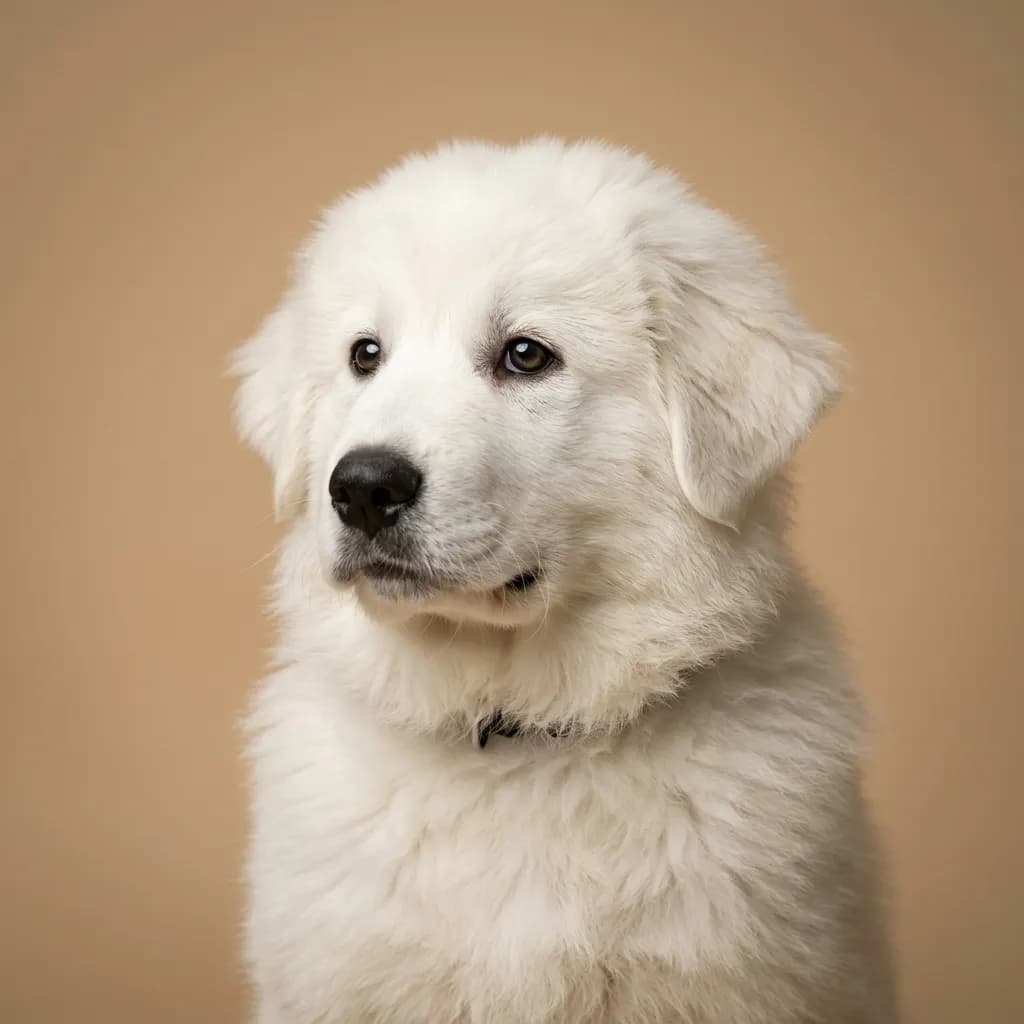
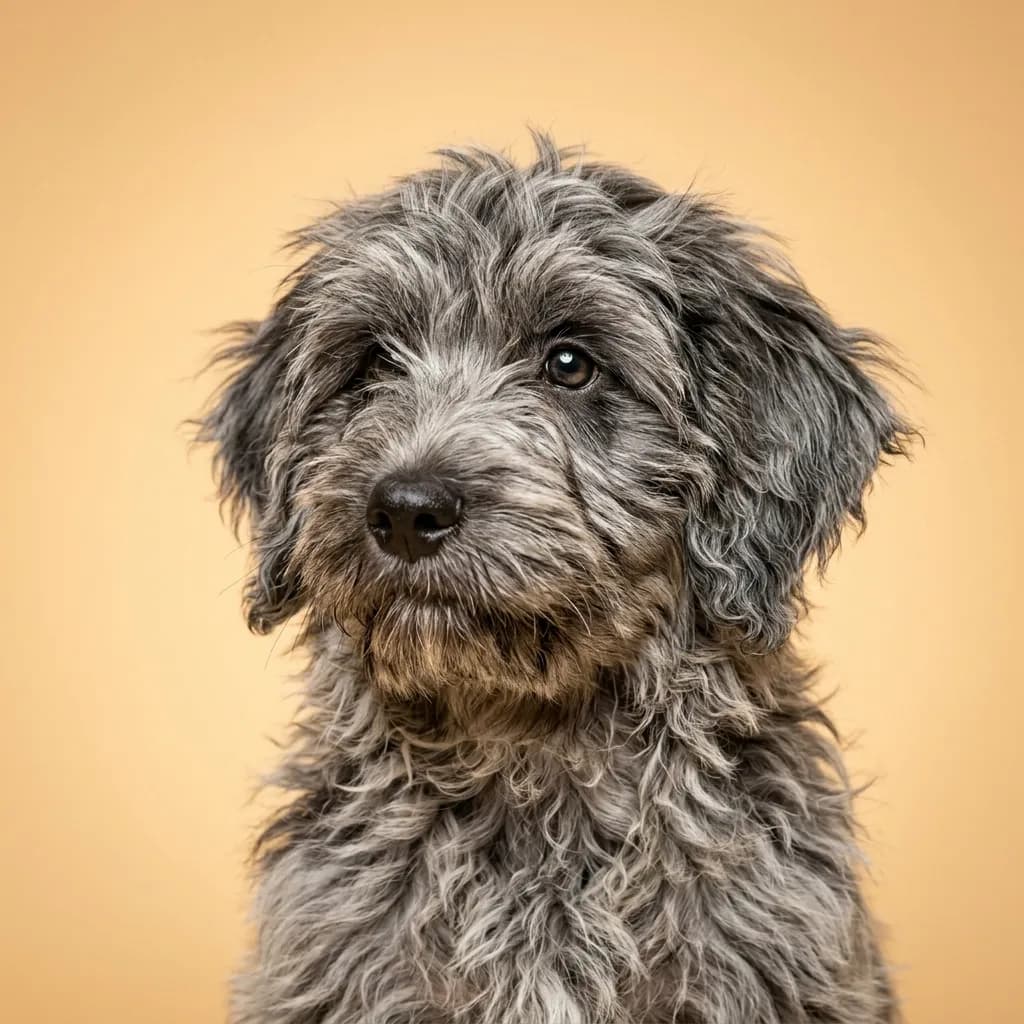
People compare the Great Pyrenees and Schapendoes because both are fluffy, active herding-type dogs with a rustic European past and family-friendly reputations. But that’s where the similarities end. like comparing a mountain cabin to a Dutch canal house. The Great Pyrenees is the calm, watchful guardian who’ll patrol your property all night in a snowstorm and still look regal at breakfast. He’s deeply bonded, soft-spoken unless threatened, and built like a draft horse. 100 pounds of fluff and muscle that wasn’t bred to obey every command but to make his own decisions when protecting sheep from wolves. You don’t train a Pyrenees so much as negotiate with him. His independence means he won’t come when called if he doesn’t agree with the premise. And that coat? It sheds year-round and needs brushing like a full-time job. The Schapendoes, meanwhile, is the lively, bouncy partner who wants to play agility, hike 10 miles, then learn a new trick before bedtime. He’s half the size, full of spark, and actually listens when you ask him to sit. This dog was made to work with people, not apart from them. His curly coat is high-maintenance too, but at least it sheds less. If you live on a farm with livestock and need a dog that’ll work solo in cold weather, the Pyrenees is unmatched. But if you’re an active owner who wants a dog that thrives on partnership and dog sports, the Schapendoes will be your shadow. Here’s the real talk: the Great Pyrenees looks like a dream on paper for families, but his independence and size make him a poor fit for most suburban homes. The Schapendoes may be lesser-known, but he’s the one who actually wants to be with you, not just near you.
Trait-by-trait
Higher bar = more of that trait. Shedding, barking, drooling, grooming flipped for readability.Where they diverge
Choose the Great Pyrenees if…
- Livestock guardians
- Rural or farm living
- Families with children
- You value shedding level — Great Pyrenees scores noticeably higher.
Choose the Schapendoes if…
- active families
- agility and herding sport enthusiasts
- experienced herding breed owners
- You value good with other dogs — Schapendoes scores higher here.