Greater Swiss Mountain Dog vs Papillon
Side-by-side comparison across all 14 AKC trait ratings, with a clear verdict on which breed fits which kind of household.
Not sure which breed fits your life?
Answer five questions about your home, your schedule, and your tolerance for shedding. We’ll match you to your top three breeds from over 200.
Greater Swiss Mountain Dog vs Papillon
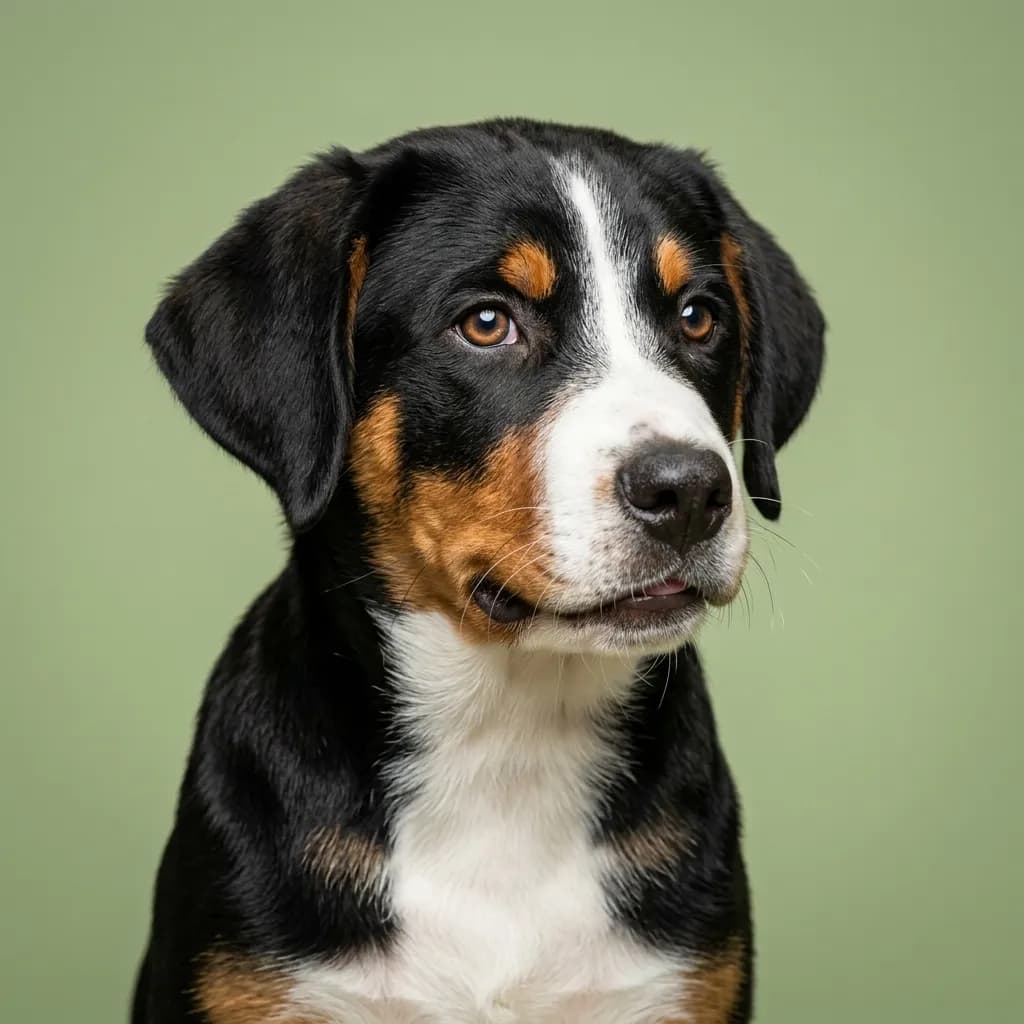
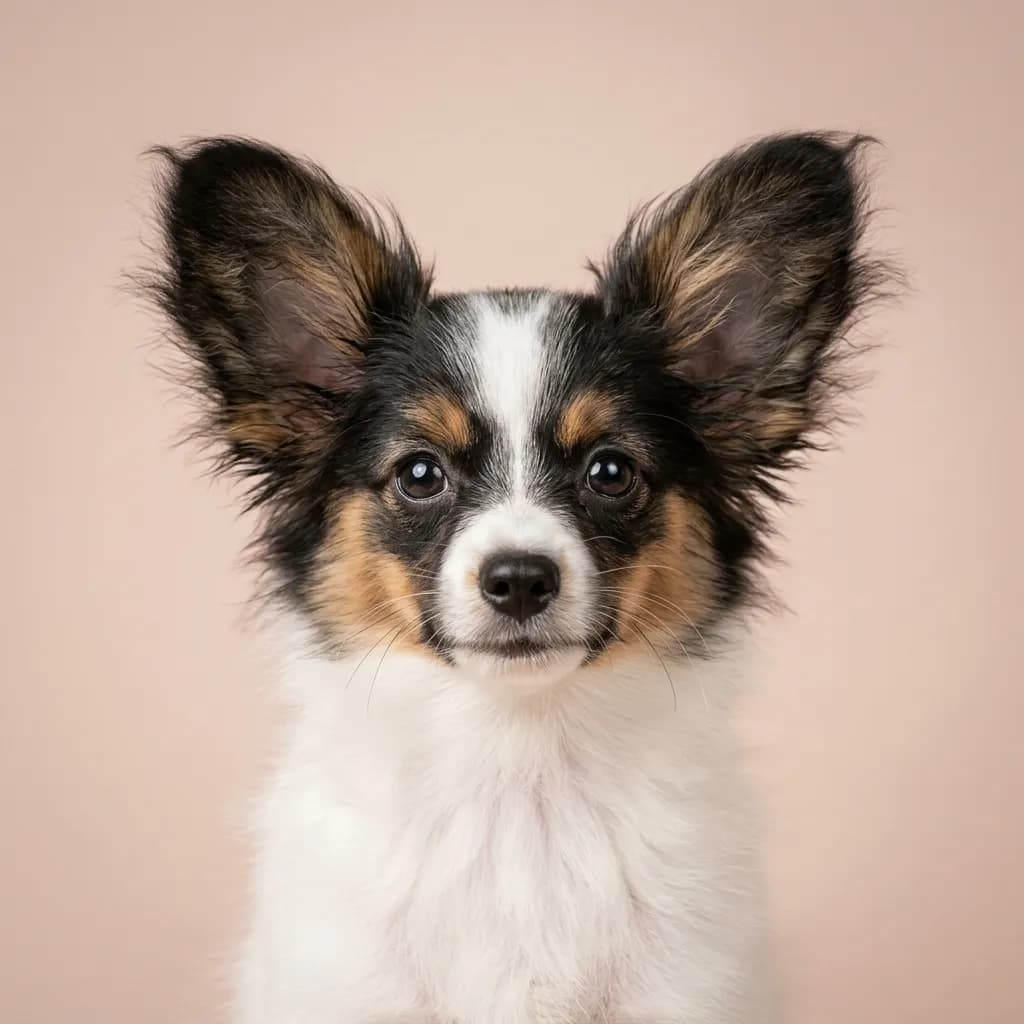
People don’t usually compare a Greater Swiss Mountain Dog and a Papillon. until they’re standing in a pet store or scrolling late-night breed pages, realizing they want a loyal, affectionate dog and don’t know where to start. One’s a draft dog built like a Swiss tank; the other’s a feather-eared butterfly of a companion bred for royal laps. But both are deeply bonded, energetic in their own ways, and thrive on human connection. That’s where the similarity ends. If you’re picturing weekend hikes, a dog who’ll pull a cart or keep pace on long trail runs, and you’ve got a yard and active kids, the Greater Swiss is a gentle giant with heart to match its size. At 100+ pounds, it’s not a dog you carry, but one that’ll carry your family’s loyalty like a badge. But you’ll need space, cool temps, and a vet fund. bloat and joint issues are real concerns, and their lifespan is shorter, 8 to 11 years. They’re not apartment dogs. They’re lifestyle dogs. The Papillon, on the other hand, fits in a tote bag but packs the brain of a border collie. They’re fearless, sharp, and will ring alarm bells at every passerby. Great for city living, but not if you want peace or a couch potato. They’re fragile around toddlers, but with older kids or active adults, they shine in agility, obedience, everything. And they’ll likely outlive the Swiss by 5 years. Here’s the truth beyond the numbers: both breeds demand attention, but in opposite directions. The Swiss needs physical space and activity; the Papillon needs mental space and engagement. Pick the Swiss if you want a dog who’s part of your outdoor life. Pick the Papillon if you want a tiny genius who’s always one step ahead of you.
Trait-by-trait
Higher bar = more of that trait. Shedding, barking, drooling, grooming flipped for readability.Where they diverge
Choose the Greater Swiss Mountain Dog if…
- Active families
- Draft and carting sports
- Rural or suburban living
- You value drooling level — Greater Swiss Mountain Dog scores noticeably higher.
Choose the Papillon if…
- Apartment living
- Active owners
- Families with older children
- You value adaptability — Papillon scores higher here.