Greater Swiss Mountain Dog
The largest of the Swiss mountain dogs, bred to pull heavy carts and move cattle — that draft-dog power is still very much present. They're devoted, calm, and good with families, but they're prone to bloat and joint issues that require careful management from puppyhood. Not a breed you find easily; expect a waitlist for a reputable breeder.
Free weekly training plan, specific to your Greater Swiss Mountain Dog’s age. Exactly what to focus on this week.
Get your free training planLiving with a Greater Swiss Mountain Dog
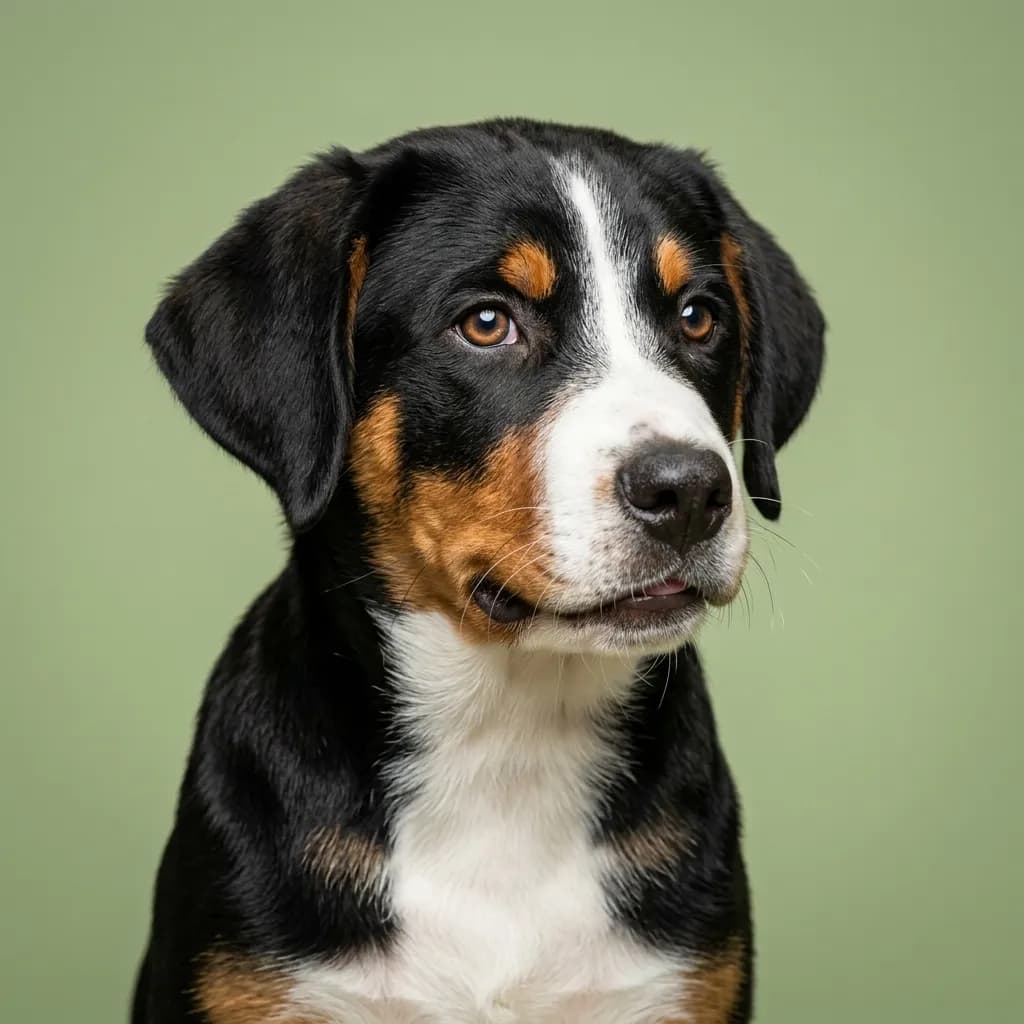
The Greater Swiss Mountain Dog isn’t just big, he’s present. Originally bred in the Swiss Alps to draft carts, herd cattle, and guard farms, this working powerhouse is the oldest of the four Swiss Sennenhund breeds. Despite his size, males can top 140 pounds and stand over two feet tall at the shoulder, he moves with surprising agility and has a calmness that belies his strength.
But don’t mistake his steady demeanor for laziness. This is a dog built for action, and he needs it daily. In the home, the Swissy is deeply faithful and thrives on family connection.
He’s especially wonderful with kids, patient and gentle even with toddlers, earning a solid 5/5 in that category. You’ll find him following you from room to room, not because he’s needy, but because he considers himself part of everything. He’s not hyper, but his energy level is a solid 4/5.
A long walk isn’t enough. He needs purpose, think carting, hiking with a weighted pack, or structured yard work. Without it, he’ll find his own job, like redecorating your garden or counter-surfing.
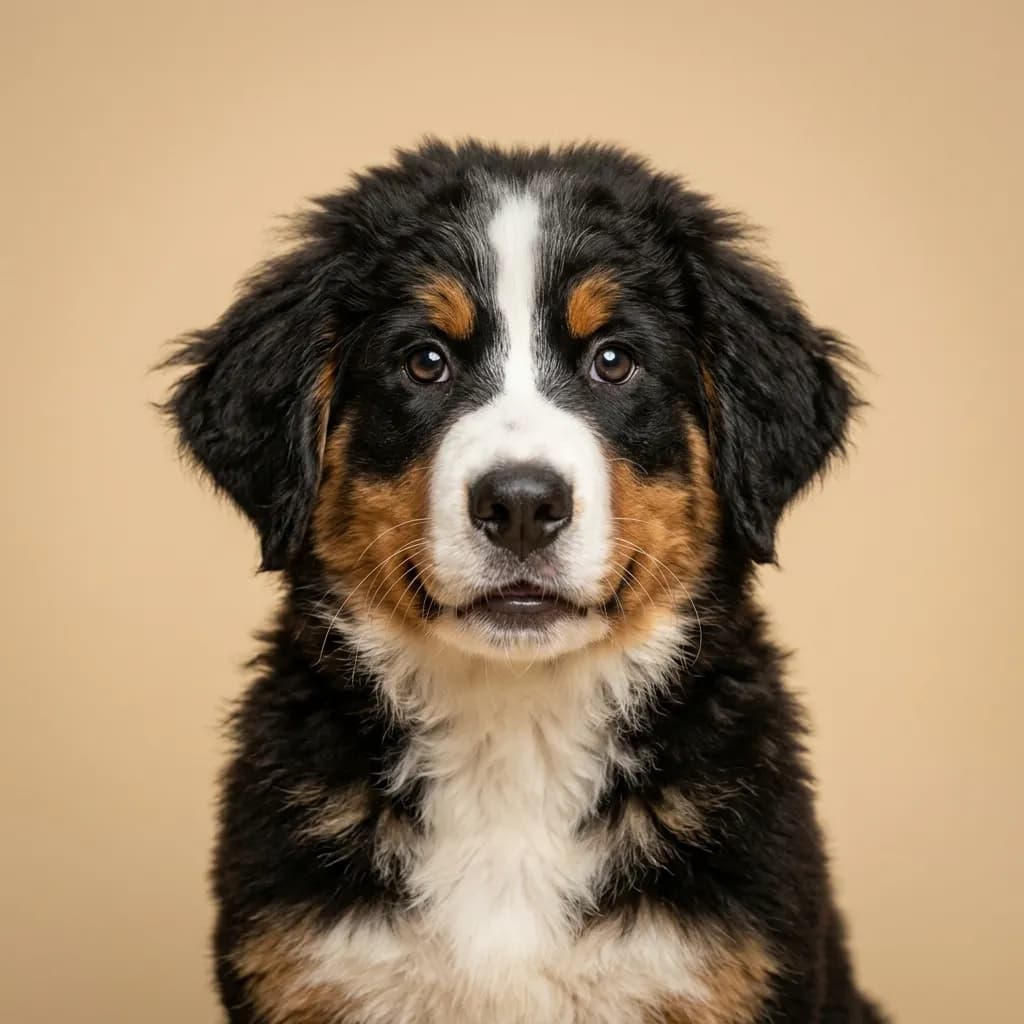
Grooming is manageable but real. His tricolor coat sheds year-round with seasonal blowouts, so weekly brushing is essential and twice weekly during shedding peaks. You’ll find black and rust hairs on your clothes, your furniture, your morning toast.
It’s part of the deal. Health-wise, be prepared. Hip and elbow dysplasia are common, so only buy from breeders who do OFA testing.
Bloat and splenic torsion are serious risks due to his deep chest, know the signs and consider preventive gastropexy. Average lifespan is 8 to 11 years, which is short but expected for a giant breed. This dog is not for city living or hot climates.
He overheats fast and needs space. Apartment dwellers or couch potatoes should look elsewhere. He’s best for active families in rural or suburban homes with cool climates and a job to do.
Here’s the thing most sites won’t tell you: the Greater Swiss Mountain Dog isn’t just a draft dog, he’s a team dog. He doesn’t work beside you, he works with you. Train him not just to behave, but to contribute.
Let him pull a cart on hikes or help with farm chores, and you’ll see his true spirit shine. That’s when he’s not just happy, he’s fulfilled.
14 traits, at a glance.
Every breed on PuppyBase is rated across the 14 trait dimensions the American Kennel Club publishes — from trainability to drooling level. The higher the score, the better the fit for that trait.
What to expect day-to-day
Things to screen for
- Splenic Torsion
- Elbow dysplasia
- Hip dysplasia
- Epilepsy
- Bloat (GDV)
See a full price breakdown — first-year costs, lifetime estimate, breeder vs. adoption.
Full price guideSimilar breeds
Browse all 200+
Common questions
How long do Greater Swiss Mountain Dogs live?
Greater Swiss Mountain Dogs typically live between 8 and 11 years, which is shorter than many breeds of similar size due to their predisposition to serious health conditions like bloat and joint disorders.
How much does a Greater Swiss Mountain Dog puppy cost?
A Greater Swiss Mountain Dog puppy usually costs between $2,000 and $3,000 on average, but prices can reach $4,500 from top breeders with health-tested lines, and waitlists are common.
How much do Greater Swiss Mountain Dogs shed?
They shed moderately year-round, with heavier shedding during seasonal changes, so weekly brushing helps manage loose hair and keeps their short coat in good condition.
What colors do Greater Swiss Mountain Dogs come in?
Greater Swiss Mountain Dogs come only in a striking tri-color pattern of black, red, and white, with distinct markings that are well-defined and symmetrical.
How big do Greater Swiss Mountain Dogs get?
They are large to very large dogs, with males reaching up to 28.5 inches tall and weighing as much as 140 pounds; females are slightly smaller but still solidly built.
Are Greater Swiss Mountain Dogs smart?
Yes, they are highly intelligent and eager to learn, responding well to consistent training and excelling in tasks that challenge their minds, such as carting or obedience.
Are Greater Swiss Mountain Dogs hypoallergenic?
No, Greater Swiss Mountain Dogs are not hypoallergenic; they shed regularly and produce dander, making them unsuitable for people with allergies.
Are Greater Swiss Mountain Dogs aggressive?
They are not typically aggressive; they’re calm, dependable, and friendly with families and strangers, though early socialization is important to manage their size and protectiveness.
What health problems are common in Greater Swiss Mountain Dogs?
Common health issues include hip and elbow dysplasia, bloat (GDV), splenic torsion, and epilepsy, so responsible breeding and vigilant health monitoring are essential.
Do Greater Swiss Mountain Dogs bark a lot?
They bark moderately; they’re alert and may vocalize to warn of strangers or activity, but they’re not excessive barkers like some other working breeds.
Are Greater Swiss Mountain Dogs easy to train?
Yes, they are highly trainable due to their intelligence and willingness to please, but early, consistent training is necessary to manage their strength and working-dog instincts.
Are Greater Swiss Mountain Dogs good family dogs?
Absolutely, they are devoted and gentle with children, thrive in active families, and form strong bonds, making them excellent companions when given enough space and exercise.
Are Greater Swiss Mountain Dogs good with cats?
They can coexist with cats, especially if raised together, but their herding and draft-dog background means supervision is wise around smaller animals.
Are Greater Swiss Mountain Dogs good guard dogs?
They make good watchdogs due to their size, alertness, and protective instincts, but they’re more likely to alert than attack, preferring to stand their ground calmly.
Can Greater Swiss Mountain Dogs live in apartments?
No, they are poorly suited for apartment living; they need room to move and regular activity, and their size and energy make a house with a yard a far better fit.
Are Greater Swiss Mountain Dogs good first dogs?
They’re not ideal for first-time owners due to their size, strength, and health management needs; experienced handlers who can provide structure and care are better suited.
Not sure which breed fits your life?
Answer five questions about your home, your schedule, and your tolerance for shedding. We’ll match you to your top three breeds from over 200.