Hamiltonstovare vs Kishu Ken
Side-by-side comparison across all 14 AKC trait ratings, with a clear verdict on which breed fits which kind of household.
Not sure which breed fits your life?
Answer five questions about your home, your schedule, and your tolerance for shedding. We’ll match you to your top three breeds from over 200.
Hamiltonstovare vs Kishu Ken
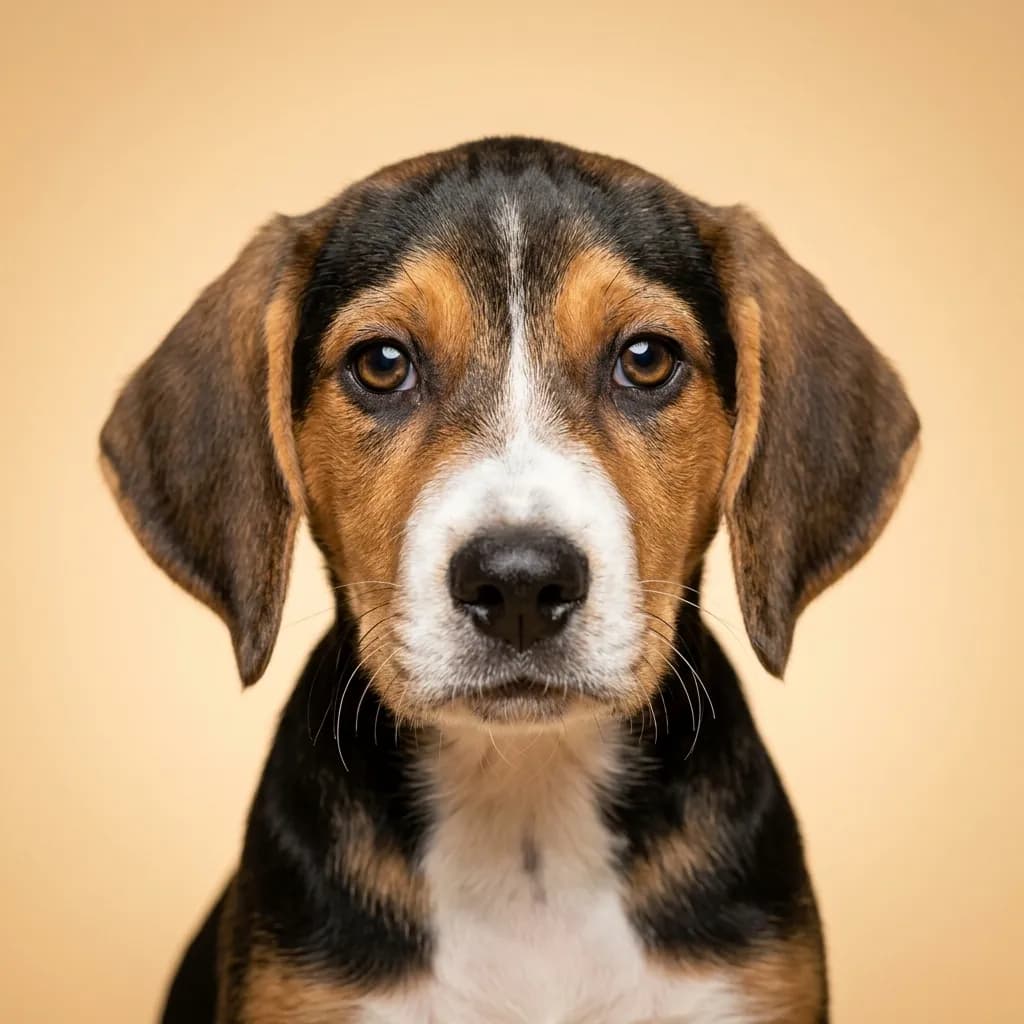
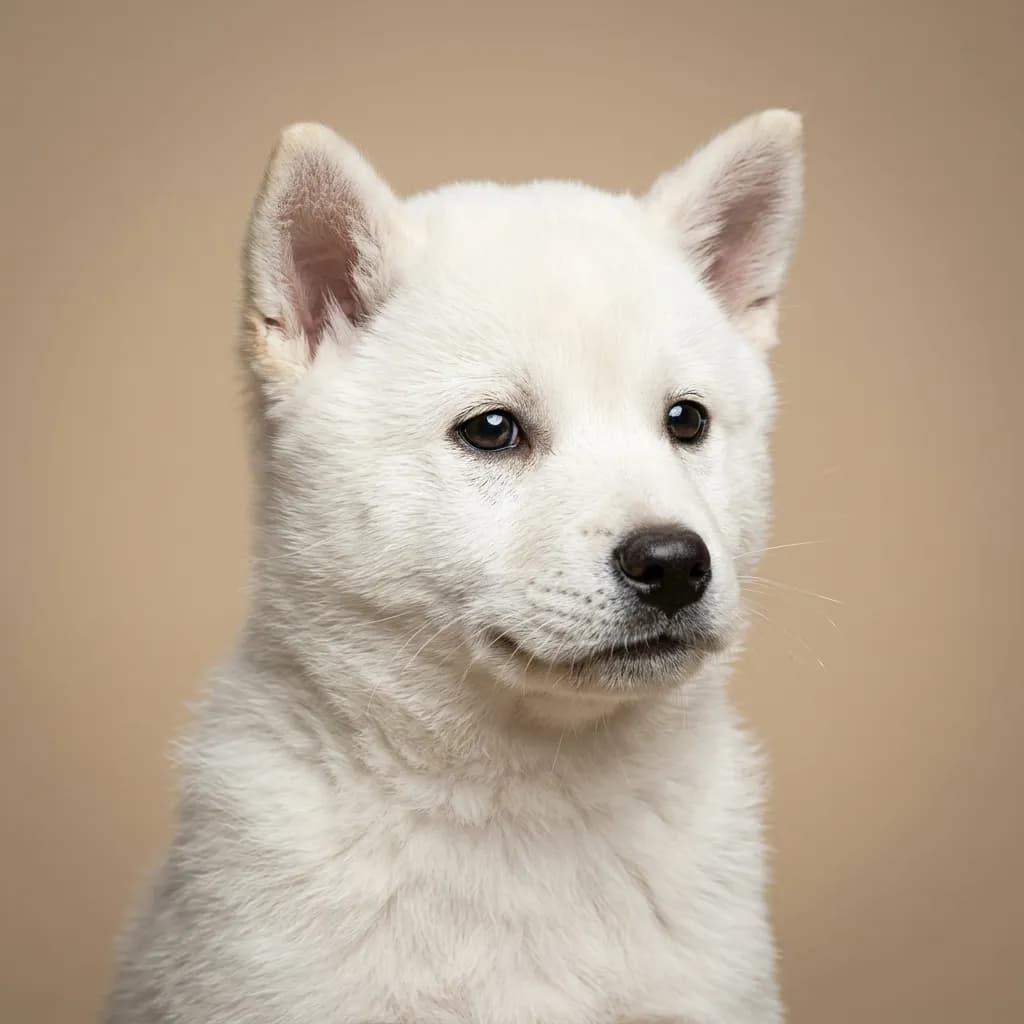
People compare the Hamiltonstovare and Kishu Ken because both are rare, medium-sized hunting dogs with clean looks and strong instincts, but that’s where the similarities end. You’re not just choosing between two breeds. you’re picking between two very different kinds of loyalty. The Hamiltonstovare is the dog that’ll join your family hike, play gently with your kids, and still track a fox across a field like it’s second nature. Developed in Sweden for tracking hare and fox, it’s got a balanced energy and an easy trainability that makes it surprisingly adaptable. just don’t expect it to thrive in a city apartment. It wants to be part of the pack, literally. If you’re an active family in the country, this dog integrates fast and stays loyal. The Kishu Ken, on the other hand, is more like a silent guardian from an old Japanese scroll. Bred to take down wild boar in mountainous terrain, it’s independent, reserved, and deeply alert. It bonds closely with one or two people and can be aloof with kids or strangers. Don’t expect it to come when called every time. its focus is internal, not obedience-based. It’s not stubborn; it’s just wired to assess danger first. Here’s what the data won’t tell you: the Kishu Ken’s quietness isn’t calmness. That low barking score? It means it might not bark at all when a stranger enters your yard. That’s not low maintenance. it’s high vigilance. You need to be experienced enough to read its silence. Pick the Hamiltonstovare if you want an involved, family-friendly hunting companion that still loves a good couch session. Pick the Kishu Ken if you’re a seasoned owner ready for a dog that thinks like a warrior and loves like a monk.
Trait-by-trait
Higher bar = more of that trait. Shedding, barking, drooling, grooming flipped for readability.Where they diverge
Choose the Hamiltonstovare if…
- Hunters
- Active families
- Rural living
- You value good with young children — Hamiltonstovare scores noticeably higher.
Choose the Kishu Ken if…
- Experienced dog owners
- Active owners
- Cold climates
- You value mental stimulation needs — Kishu Ken scores higher here.