Hanoverian Scenthound vs Keeshond
Side-by-side comparison across all 14 AKC trait ratings, with a clear verdict on which breed fits which kind of household.
Not sure which breed fits your life?
Answer five questions about your home, your schedule, and your tolerance for shedding. We’ll match you to your top three breeds from over 200.
Hanoverian Scenthound vs Keeshond
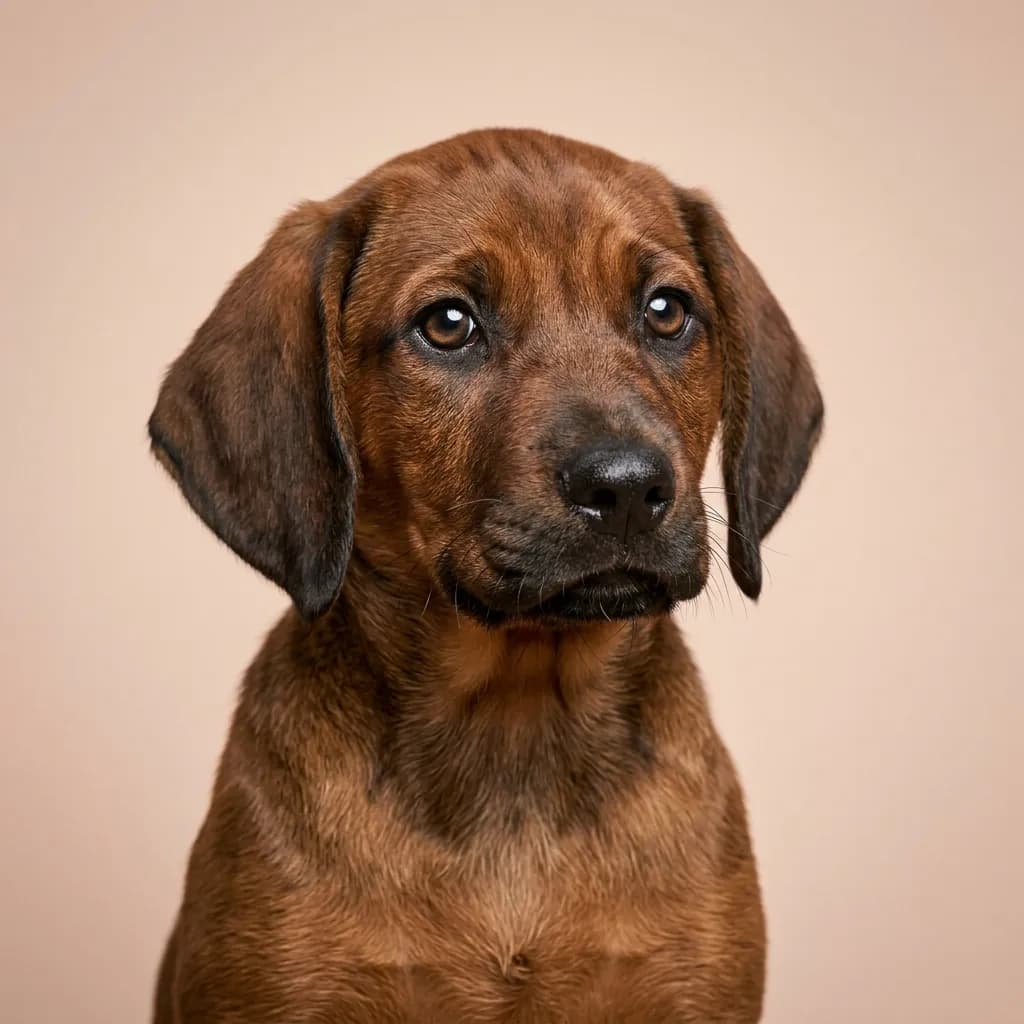
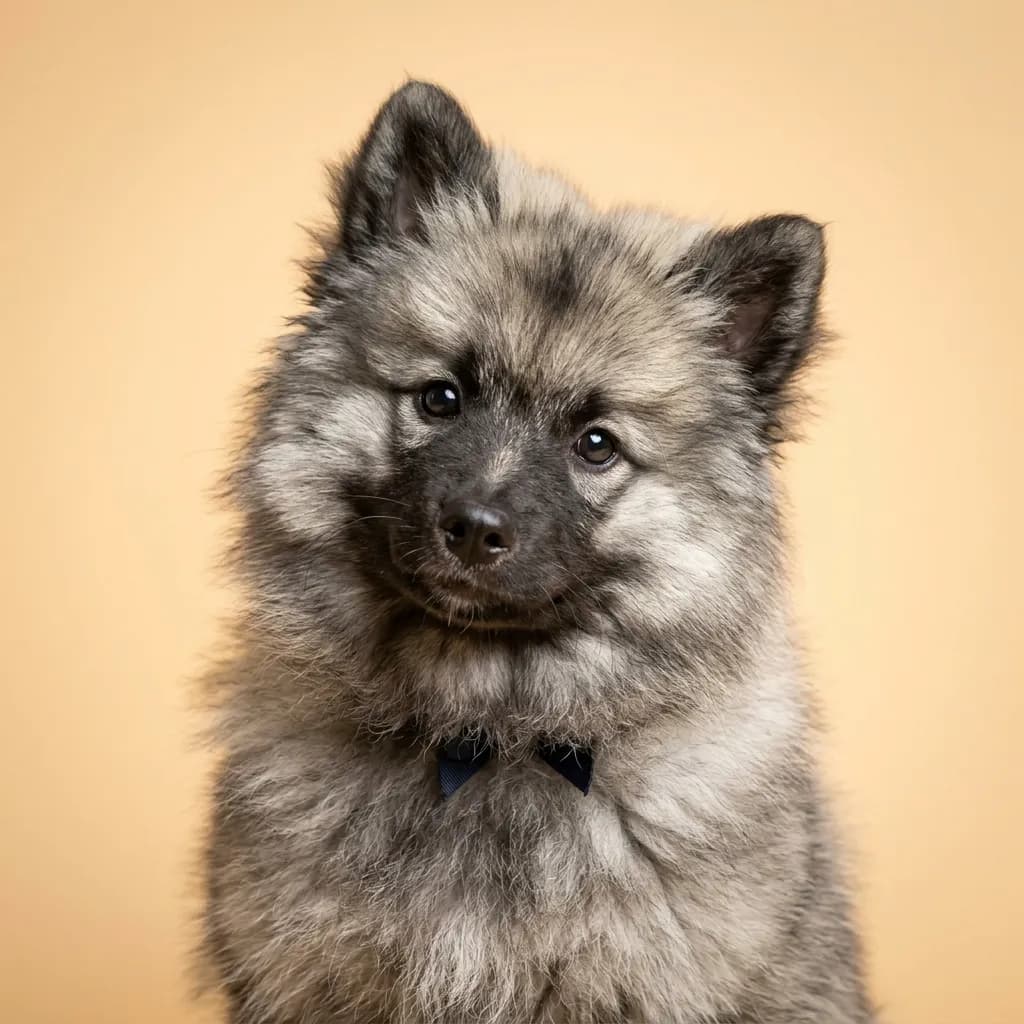
You’re not comparing these two because they look alike. they don’t. You’re here because someone mentioned both as “German breeds with fluffy coats” and now you’re confused. Let’s clear that up. The Hanoverian Scenthound and Keeshond are about as different as a pickup truck and a minivan. One’s built for rugged, solitary work in the woods. The other was literally bred to sit on a barge and bond with a whole family. The Hanoverian is a big, focused tracker. 60 pounds of muscle more, actually. These dogs are independent thinkers, calm in the house but demanding of serious outdoor work. They’re loyal, yes, but they’re not cuddling on the couch all evening. They want to follow a scent trail for miles. If you don’t hunt or can’t provide tracking sports, this dog will either shut down or drive you crazy with barking. They’re not for city life or first-time owners. And while they’re good with kids in theory, their size and drive mean they’re better off in rural homes with space and purpose. The Keeshond, meanwhile, is a social butterfly in a wolf-like coat. They thrive on interaction, adore kids, and adapt beautifully to apartments or houses. just as long as it’s not too hot. They’re eager to learn, bark at changes in their environment (hence the watchdog history), and actually want to please you in training. But that fluff? It needs weekly brushing, and yes, they shed. seasonally, but noticeably. Here’s the real difference no chart tells you: the Hanoverian lives to work alone. The Keeshond lives to belong. Pick based on whether your life revolves around outdoor missions or family routines. One won’t replace the other. You don’t choose between them. You choose between two entirely different relationships with a dog.
Trait-by-trait
Higher bar = more of that trait. Shedding, barking, drooling, grooming flipped for readability.Where they diverge
Choose the Hanoverian Scenthound if…
- hunters and trackers
- experienced large-breed owners
- rural environments
Choose the Keeshond if…
- Families with children
- Active owners
- Cold climates
- You value watchdog / protective — Keeshond scores higher here.