Harrier vs Siberian Husky
Side-by-side comparison across all 14 AKC trait ratings, with a clear verdict on which breed fits which kind of household.

Not sure which breed fits your life?
Answer five questions about your home, your schedule, and your tolerance for shedding. We’ll match you to your top three breeds from over 200.
Harrier vs Siberian Husky
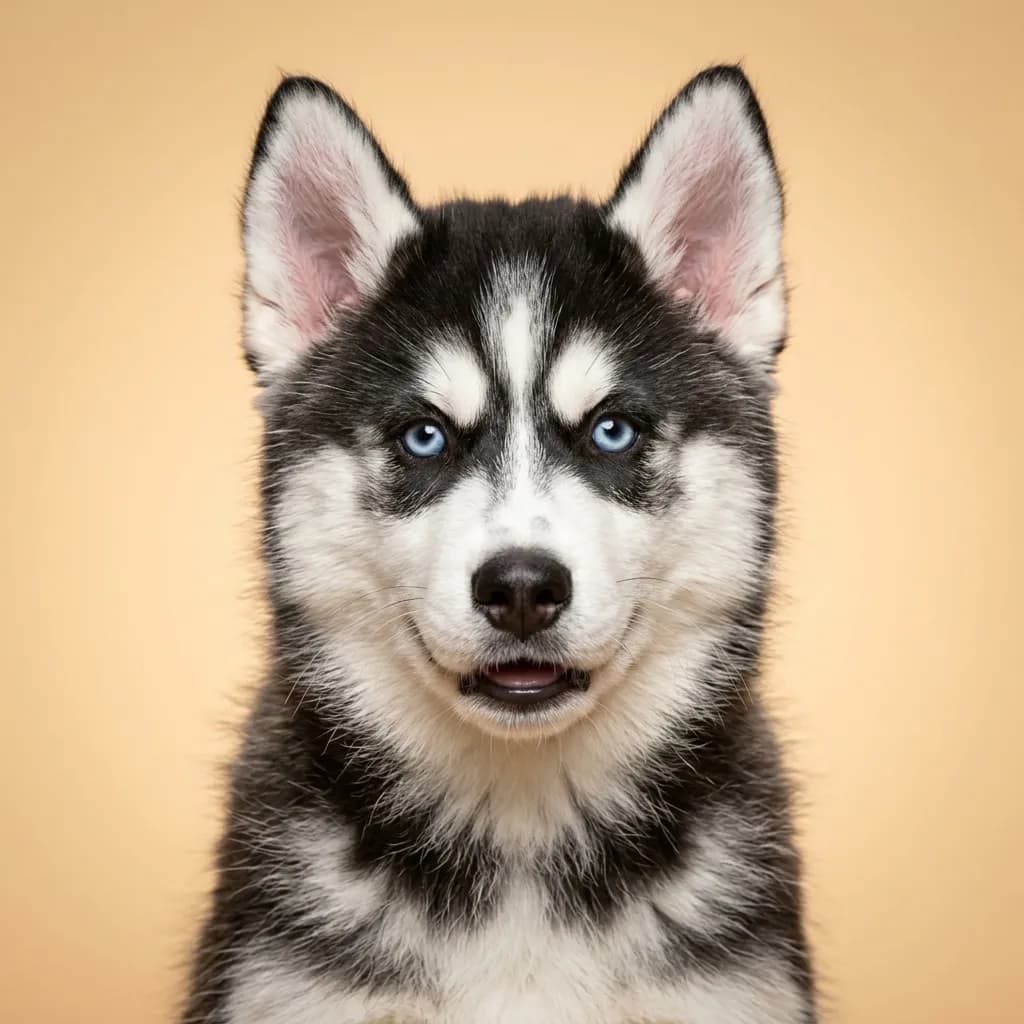
People compare Harriers and Siberian Huskies because they’re both energetic, pack-oriented dogs with loud voices and a love for kids. But that’s where the similarities end. Think of it this way: one was built to chase rabbits across English fields all day, the other to pull sleds through Arctic blizzards. That purpose shapes everything. The Harrier is a hound through and through. focused, determined, and driven by scent. You’ll need a solid fence and plenty of walks, but they’re more trainable than most hounds and genuinely thrive on human connection. They’re friendly to everyone, bark constantly when excited, and do best with active families who hike, jog, or hunt. But don’t expect off-leash reliability. One whiff of a squirrel and they’re gone. Huskies? They’re escape artists with a side of sass. Bred for endurance in extreme cold, they’ve got double coats that shed like crazy. twice a year, you’ll find clumps on your furniture like furry tumbleweeds. They’re strong, independent thinkers, and that “mischievous” temperament means they’ll open doors, dig escape tunnels, and drag you on unplanned sprints if you’re not alert. They’re not guard dogs. they’re too friendly. but they’re loyal in their own chaotic way. Here’s the real talk: both need space and activity, but the Harrier bonds tighter to one household and is easier to train. The Husky demands more mental stimulation and cold weather. If you live in a hot climate or hate vacuuming, skip the Husky. If you want a dog that genuinely listens and lives for companionship, the Harrier might surprise you. But if you love a dramatic, high-energy character with wolf-like looks and endless antics, the Husky will steal your heart. and possibly your lunch.
Trait-by-trait
Higher bar = more of that trait. Shedding, barking, drooling, grooming flipped for readability.Where they diverge
Choose the Harrier if…
- Active families
- Hunters
- Rural living
- You value watchdog / protective — Harrier scores noticeably higher.
Choose the Siberian Husky if…
- Active owners who exercise daily
- Cold climate households
- Families with children
- You value shedding level — Siberian Husky scores higher here.