Havanese vs Ibizan Hound
Side-by-side comparison across all 14 AKC trait ratings, with a clear verdict on which breed fits which kind of household.
Not sure which breed fits your life?
Answer five questions about your home, your schedule, and your tolerance for shedding. We’ll match you to your top three breeds from over 200.
Havanese vs Ibizan Hound
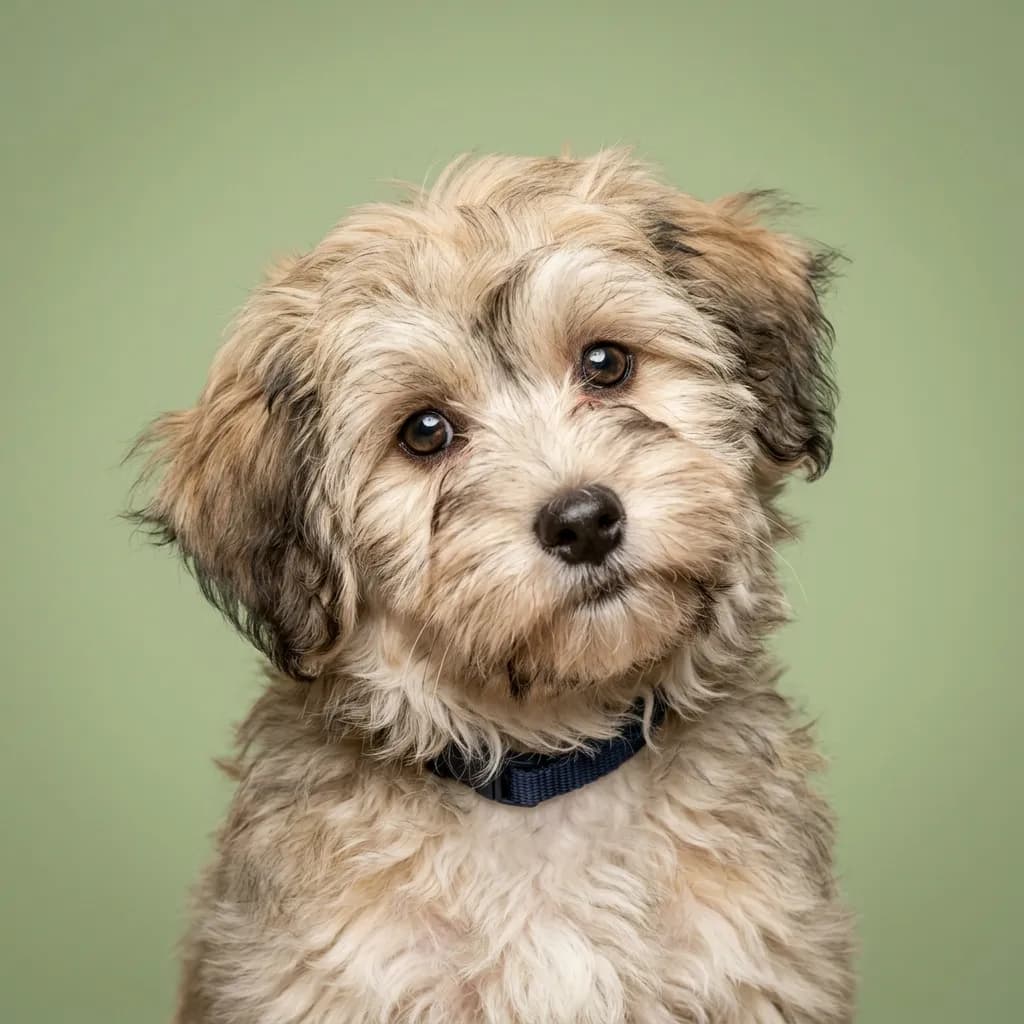
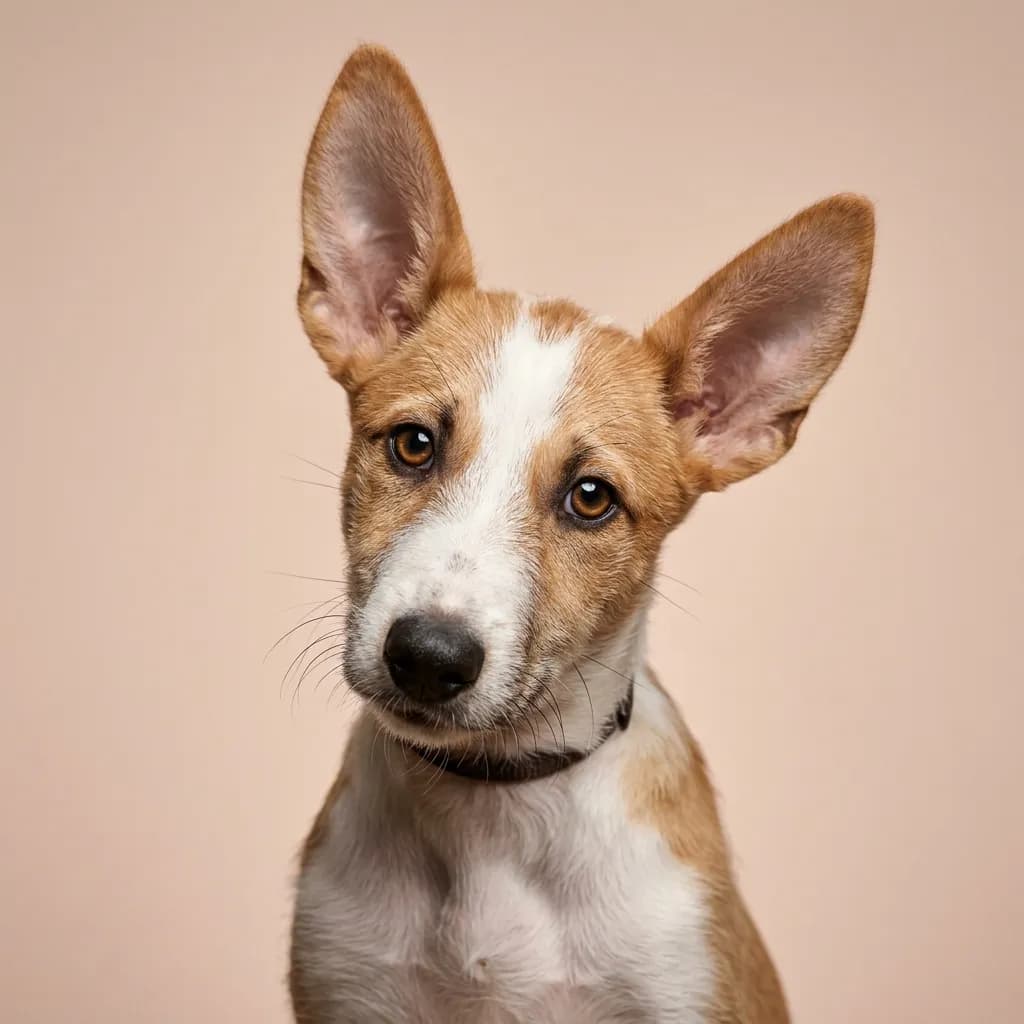
People compare Havanese and Ibizan Hounds because both are affectionate, don’t shed much, and have that “unique but not weird” charm that draws in dog lovers looking for something off the beaten path. But beyond low dander and big personalities, they’re chasing entirely different lifestyles. The Havanese is your shadow in a fluffy cloud. Bred to charm aristocrats in Cuban parlors, this 10-pound socialite thrives on company, laughs at kids, and adapts to apartments, boats, or bustling city lofts with ease. You’ll never feel alone with one around, but that’s the catch. they hate being alone. Leave them for eight hours straight and you’ll come home to a stressed pup and possibly a chewed-up shoe collection. They’re smart and eager to please, which makes training fun, but they bark at doorbells, squirrels, and passing thoughts. Their silky coat? Gorgeous, but it tangles if you blink wrong. The Ibizan Hound, in contrast, is like a desert poet with long legs and bat ears. They’ll curl up beside you like a velvety statue, affectionate and deeply bonded, but they’re not clingy. They need space. ideally a yard you can trust, because if a rabbit darts by, their 5/5 energy and prey drive will win. They’re not great with cats or hamsters, and they’re aloof with strangers. Training takes patience; they’re thinkers, not pleasers. But if you’re into dog sports or long trail runs, they’re game. Here’s the real difference: the Havanese wants to be part of your every moment. The Ibizan wants to be near you, but on their own quiet terms. Pick the Havanese if your home is full of people and laughter. Pick the Ibizan if you’re active, patient, and okay with a dog who watches the world with ancient eyes.
Trait-by-trait
Higher bar = more of that trait. Shedding, barking, drooling, grooming flipped for readability.Where they diverge
Choose the Havanese if…
- Apartment dwellers
- Seniors
- Families with children
- You value good with young children — Havanese scores noticeably higher.
Choose the Ibizan Hound if…
- Active owners
- Lure coursing sports
- Owners with secure fenced yards
- You value energy level — Ibizan Hound scores higher here.