Havanese vs Papillon
Side-by-side comparison across all 14 AKC trait ratings, with a clear verdict on which breed fits which kind of household.
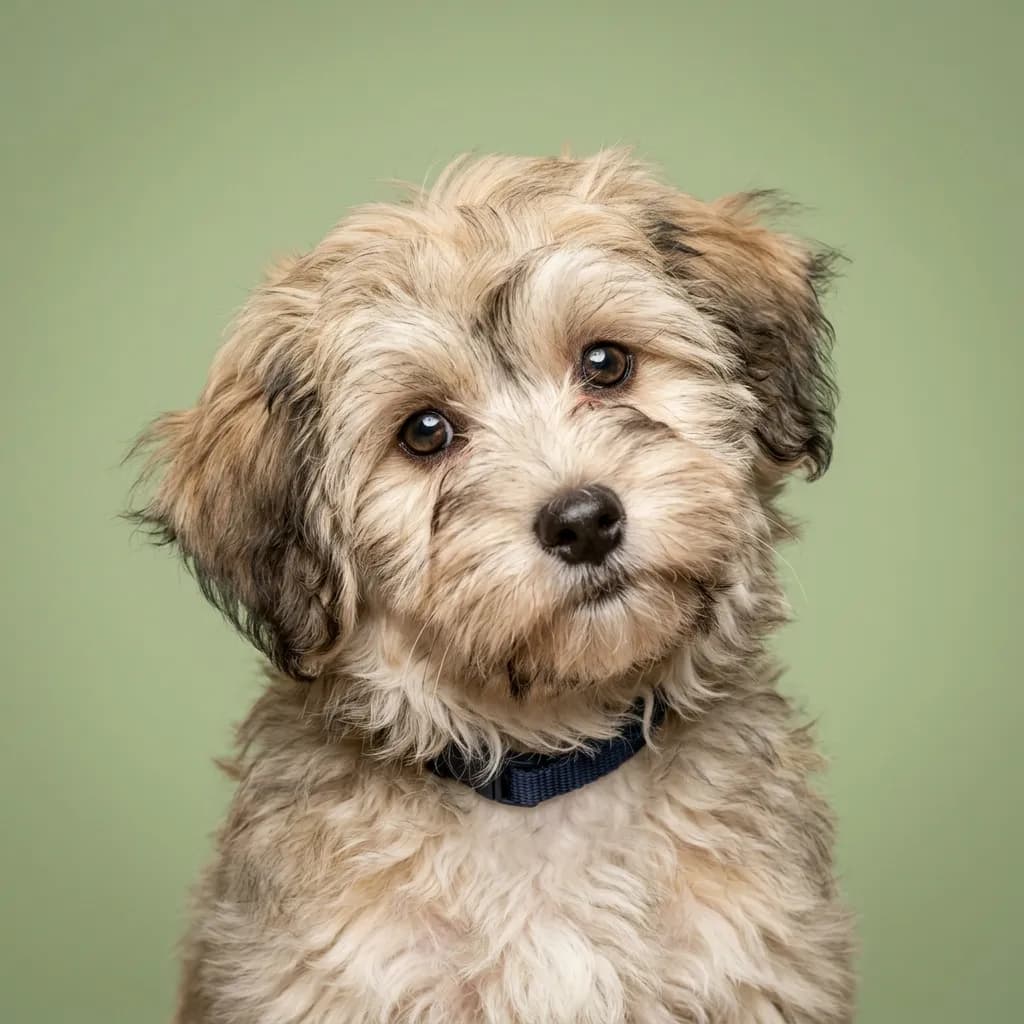
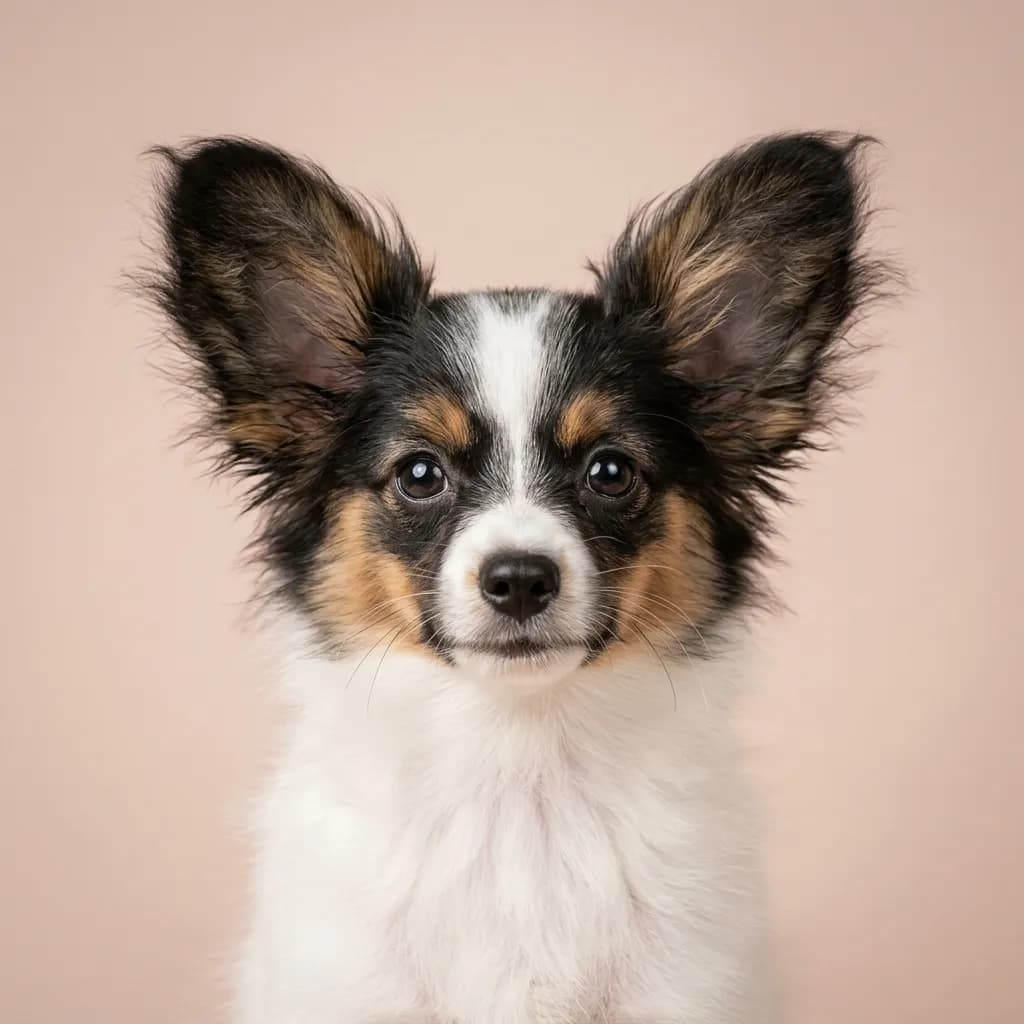
Not sure which breed fits your life?
Answer five questions about your home, your schedule, and your tolerance for shedding. We’ll match you to your top three breeds from over 200.
Havanese vs Papillon
People compare Havanese and Papillons because they’re both tiny, bright-eyed charmers with big personalities in toy-sized packages. They’re great for apartment living, adore people, and will stick close to your side like velcro dogs. On paper, they look like twins. But live with them and you’ll see they’re more like distant cousins with different hobbies. The Havanese is your cheerful, easygoing roommate who’s down for anything. They’re playful but not hyper, affectionate without being needy. okay, maybe a little needy. They hate being alone and can develop separation anxiety if left for long stretches. Their silky coat is gorgeous but needs daily brushing unless you’re okay with a trimmed “puppy cut.” They’re great with kids, seniors, and first-time owners because they want to please and learn quickly. They’re the friend who laughs at your jokes and goes with the flow. The Papillon is that sharp, energetic friend who’s always signing up for trivia night or agility class. They’re brainy and bold, thriving on mental challenges. They’re just as loving but come with an “on” switch that rarely turns off. They’ll bark at the mail carrier, the squirrel, and their own reflection. Great with older kids but might overwhelm toddlers with their speed and alertness. Their coat is easier to manage than the Havanese’s, but their energy and intelligence demand engagement. Here’s the real talk: The Havanese forgives your lazy Sundays. The Papillon will look at you like you’re wasting time. Pick the Havanese if you want a soft, adaptable cuddler. Pick the Papillon if you want a tiny, tireless partner in adventure. One is a snuggle bug with a wagging tail. The other is a circus performer in dog form. Know your pace. Choose accordingly.
Trait-by-trait
Higher bar = more of that trait. Shedding, barking, drooling, grooming flipped for readability.Where they diverge
Choose the Havanese if…
- Apartment dwellers
- Seniors
- Families with children
- You value good with other dogs — Havanese scores noticeably higher.
Choose the Papillon if…
- Apartment living
- Active owners
- Families with older children
- You value mental stimulation needs — Papillon scores higher here.