Havanese vs Russell Terrier
Side-by-side comparison across all 14 AKC trait ratings, with a clear verdict on which breed fits which kind of household.

Not sure which breed fits your life?
Answer five questions about your home, your schedule, and your tolerance for shedding. We’ll match you to your top three breeds from over 200.
Havanese vs Russell Terrier
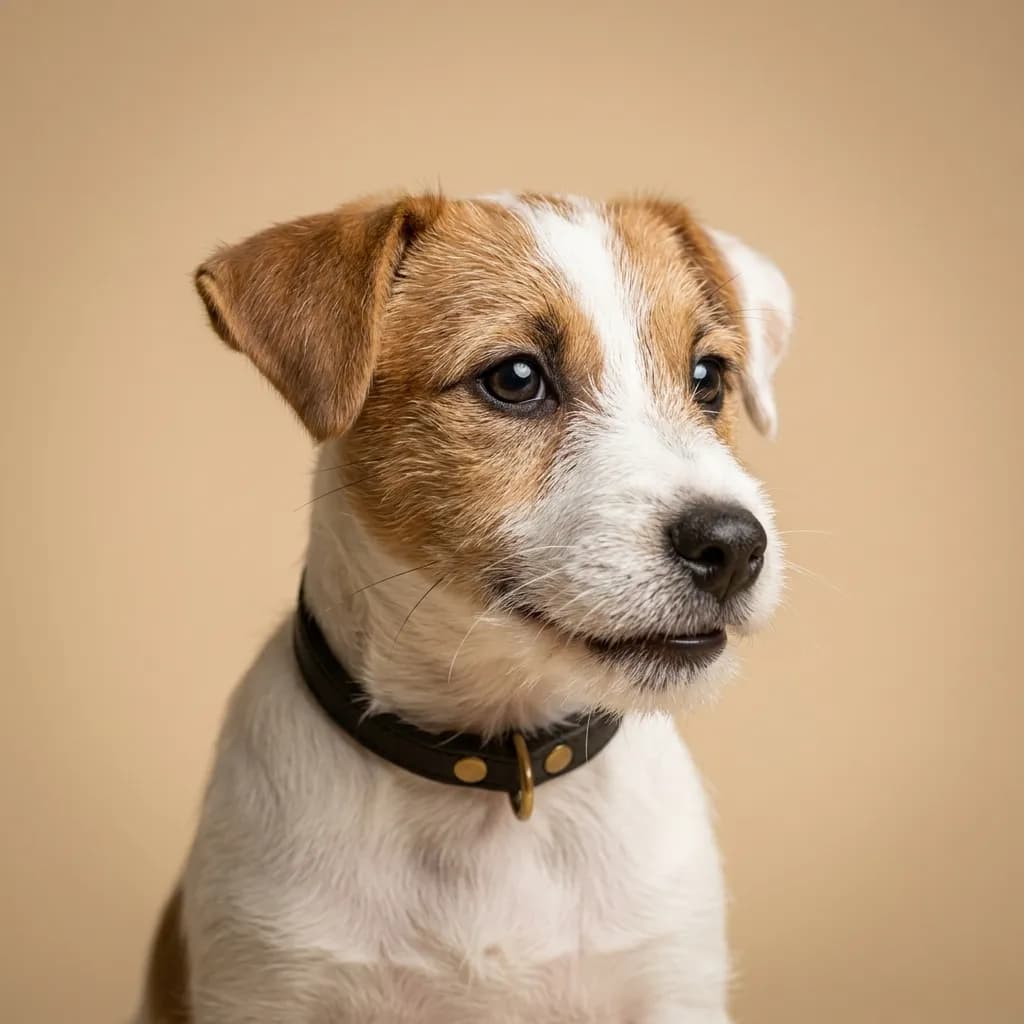
People compare Havanese and Russell Terriers because they’re both small, lively dogs that fit in apartments and tug at your heartstrings. But that’s where the similarity ends. Think of it like choosing between a velvety couch and a trampoline. both are great in the right setting, but they serve totally different purposes. The Havanese is the ultimate companion. This dog wants to be with you, always. They’re goofy, gentle, and bond deeply with everyone, including kids and grandparents. If you work from home or are around a lot, they’ll thrive. But leave them alone for more than a few hours? You’ll come home to shredded tissues and a dog that looks genuinely heartbroken. Their silky coat isn’t high-shedding, but it needs daily brushing unless you want mats that turn into a grooming nightmare. Now, the Russell Terrier? This dog was built to dig, chase, and problem-solve. They’re affectionate in their own feisty way, but they’re not cuddle bugs by default. They’ll follow you around, sure, but mostly because they’re waiting for an opportunity to bolt after a squirrel. They’re not great with small pets, and their energy doesn’t shut off. ever. Training them takes patience; they’re smart but stubborn, like a tiny lawyer who always argues the fine print. Here’s the real talk: if you want a dog that feels like part of the family in the emotional-support, always-there kind of way, go Havanese. If you want a dog that keeps you on your toes and loves a challenge. agility, hiking, puzzle toys. then the Russell Terrier will light up your active life. One is a velvety emotional blanket. The other is a spark plug in fur form. Pick based on your rhythm, not just your space.
Trait-by-trait
Higher bar = more of that trait. Shedding, barking, drooling, grooming flipped for readability.Where they diverge
Choose the Havanese if…
- Apartment dwellers
- Seniors
- Families with children
- You value good with young children — Havanese scores noticeably higher.
Choose the Russell Terrier if…
- Active owners
- Dog sports enthusiasts
- Families with older children
- You value energy level — Russell Terrier scores higher here.