Havanese vs Saluki
Side-by-side comparison across all 14 AKC trait ratings, with a clear verdict on which breed fits which kind of household.

Not sure which breed fits your life?
Answer five questions about your home, your schedule, and your tolerance for shedding. We’ll match you to your top three breeds from over 200.
Havanese vs Saluki
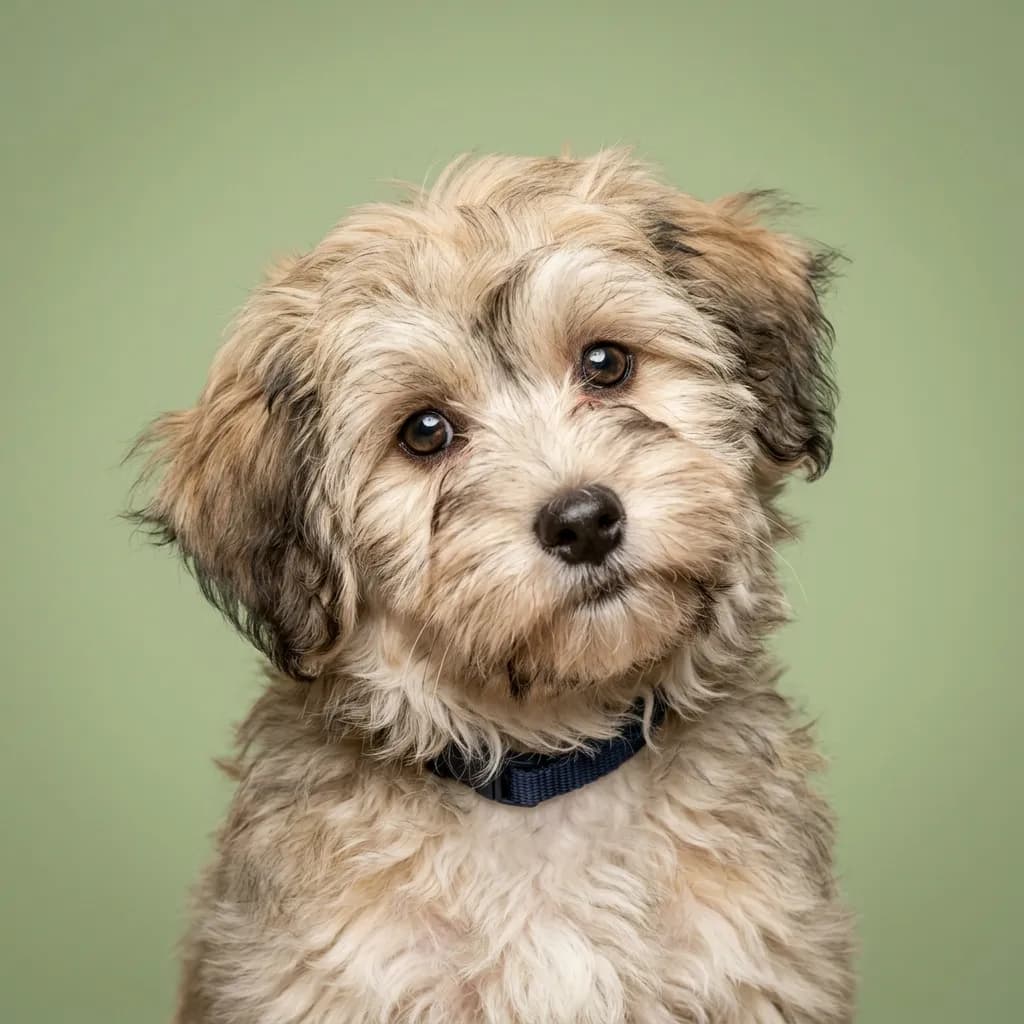
People compare Havanese and Salukis because both are elegant, low-shedding dogs with long histories and soft hearts. But that’s where the similarity ends. Think of it like choosing between a front-row confidant at your family dinner and a poetic guest who drifts in after sunset, brushes your cheek with his nose, then retreats to the garden to watch the stars. The Havanese is all in. This tiny, bouncy clown thrives on human chaos. kids underfoot, the front door buzzing with guests, the morning scramble. He’ll learn tricks fast, bark at the mailman, and follow you from room to room like a furry shadow. Leave him alone too long and he’ll chew your slippers not from malice, but loneliness. He’s perfect for apartment life, first-time owners, and anyone craving a dog that feels like part of the furniture. warm, present, and always ready to perform. The Saluki, by contrast, is a desert ghost in dog form. Tall, lean, built for speed, he’ll sprint like the wind if given the chance but curl up quietly at your feet after. He’s affectionate, yes, but on his terms. He won’t beg for attention or master commands quickly. Training him takes patience, not because he’s stubborn but because he’s thoughtful. He needs space. a big, fenced yard is non-negotiable. or he’ll chase a squirrel into the next county. Great for calm households with experience, but a handful for the unprepared. Here’s the real difference: the Havanese wants to be loved every second. The Saluki wants to love you in moments, deeply and quietly. Pick the Havanese if you want a dog who’s always “on.” Pick the Saluki if you appreciate a soul that speaks softly, moves gracefully, and reminds you that some bonds don’t need constant noise to be real.
Trait-by-trait
Higher bar = more of that trait. Shedding, barking, drooling, grooming flipped for readability.Where they diverge
Choose the Havanese if…
- Apartment dwellers
- Seniors
- Families with children
- You value good with young children — Havanese scores noticeably higher.
Choose the Saluki if…
- Active owners with running space
- Experienced sighthound owners
- Those wanting an elegant, quiet breed
- You value mental stimulation needs — Saluki scores higher here.