Havanese vs Working Kelpie
Side-by-side comparison across all 14 AKC trait ratings, with a clear verdict on which breed fits which kind of household.

Not sure which breed fits your life?
Answer five questions about your home, your schedule, and your tolerance for shedding. We’ll match you to your top three breeds from over 200.
Havanese vs Working Kelpie
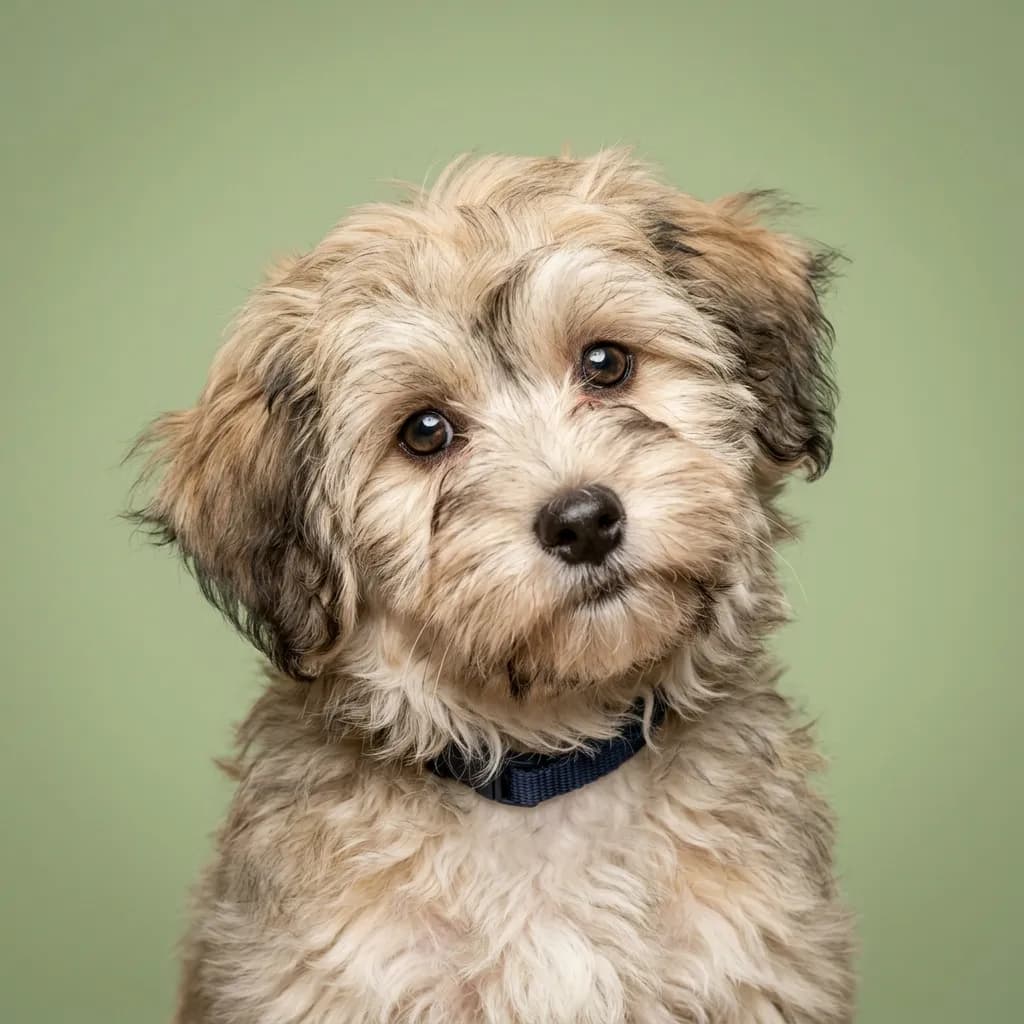
You don’t see Havanese and Working Kelpies side by side at dog parks often. and for good reason. People compare them not because they’re alike, but because they’re both smart, trainable, and great with kids, which can trick you into thinking either could work for your family. They won’t. The Havanese is the ultimate companion dog, bred for laps, laughter, and living rooms. Think of them as the affectionate, slightly dramatic friend who needs to be included in everything. They thrive in apartments, adore seniors, and bond deeply with kids. But leave them alone all day? You’ll come home to shredded pillows and a dog that’s genuinely distressed. They’re not high-energy, but they are high-need emotionally. And that silky coat? It tangles like crazy. Grooming isn’t optional. Now picture the Working Kelpie. born for wide-open spaces and hard work. This dog doesn’t just want to run, it needs to. It’s not that they’re unaffectionate, they just show love by working alongside you. They’ll herd your kids, yes, but they’ll also try to herd your groceries. They’re not built for city life or couch time. A bored Kelpie is a destructive force of nature. They’re low-maintenance coat-wise, but high-maintenance in every other way: they need jobs, structure, and space. Here’s the real talk: if you’re looking for a dog to fill quiet moments with warmth and silliness, get the Havanese. If you’re honest about needing a partner for physical work and rural life, the Kelpie is unmatched. But don’t pick a Kelpie because you like “smart” dogs. Pick one only if you can give it a purpose. And don’t get a Havanese if you work long hours. this isn’t a breed that tolerates loneliness. One craves your attention, the other craves your mission.
Trait-by-trait
Higher bar = more of that trait. Shedding, barking, drooling, grooming flipped for readability.Where they diverge
Choose the Havanese if…
- Apartment dwellers
- Seniors
- Families with children
- You value affectionate w/ family — Havanese scores noticeably higher.
Choose the Working Kelpie if…
- Farmers and ranchers
- Experienced dog owners
- Active rural lifestyles
- You value energy level — Working Kelpie scores higher here.