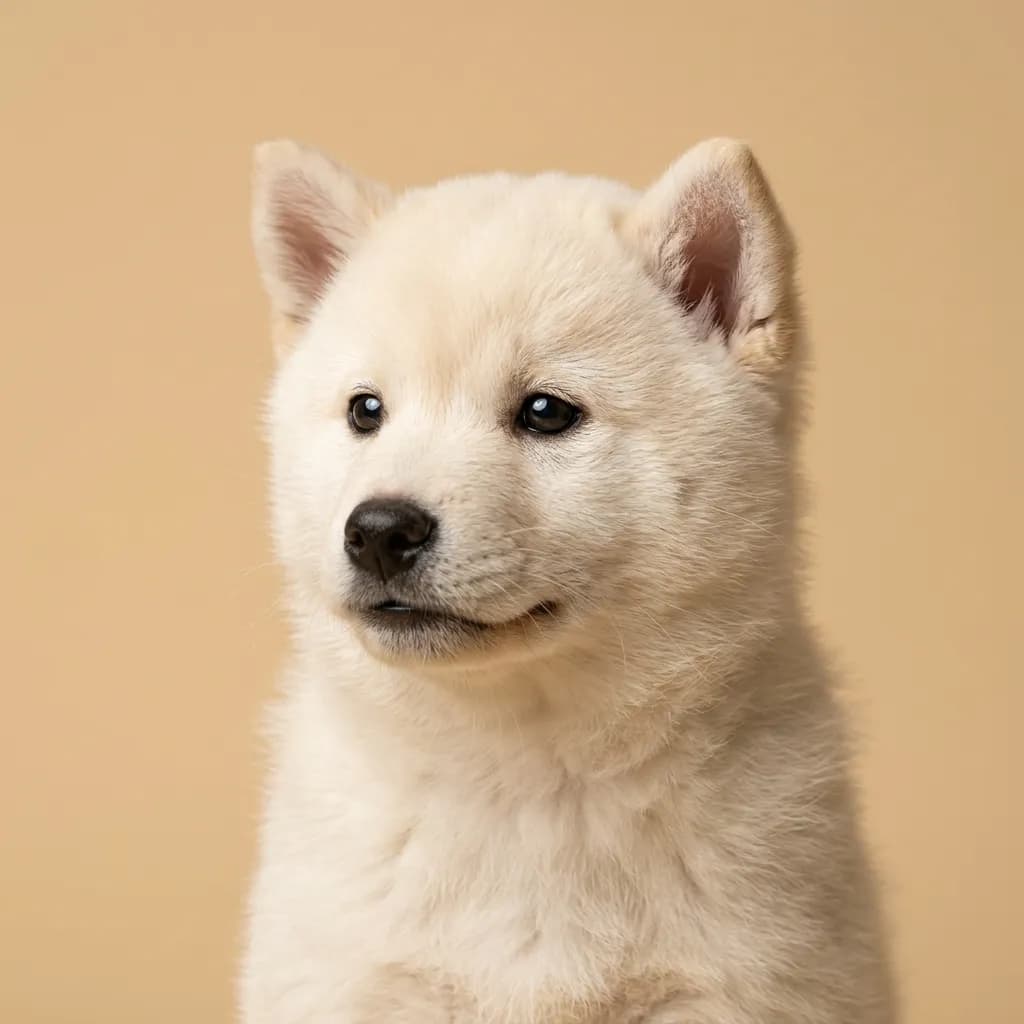
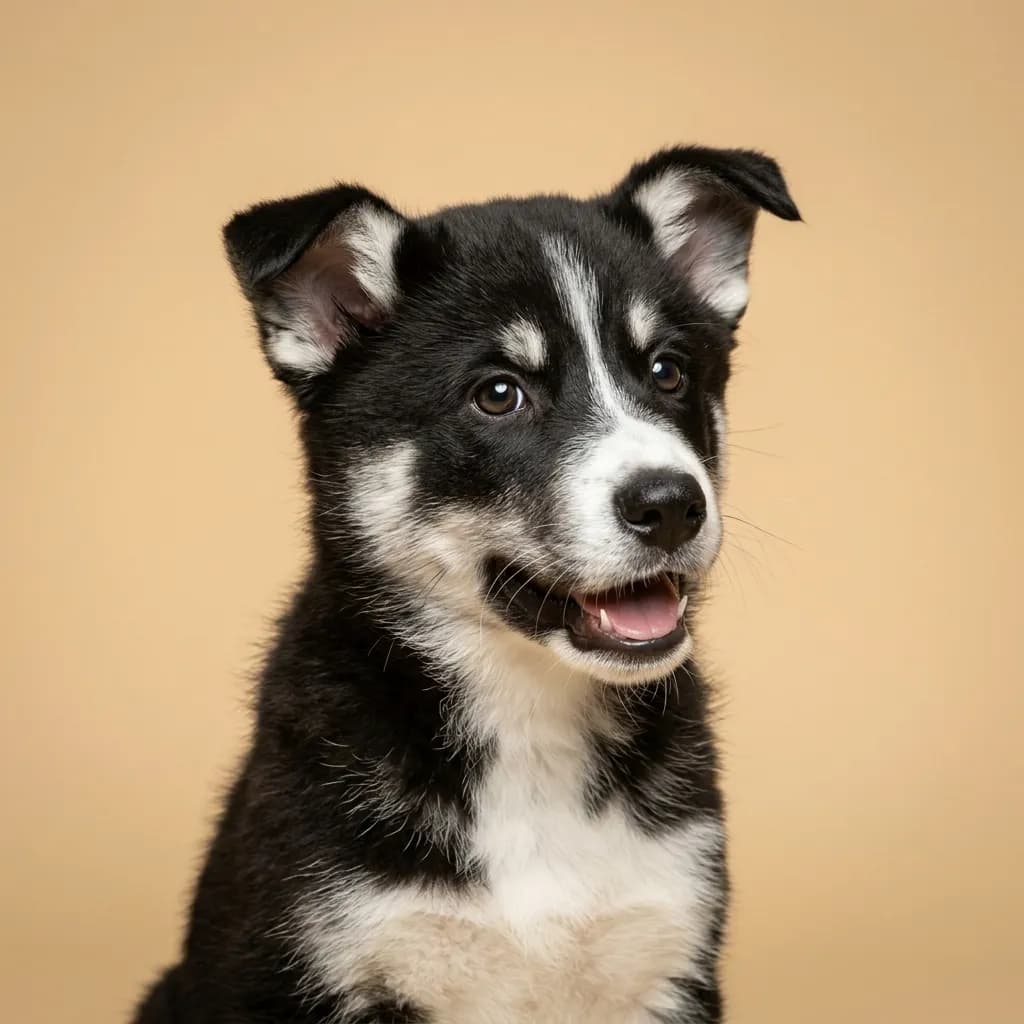
Hokkaido vs Karelian Bear Dog
Side-by-side comparison across all 14 AKC trait ratings, with a clear verdict on which breed fits which kind of household.
Not sure which breed fits your life?
Answer five questions about your home, your schedule, and your tolerance for shedding. We’ll match you to your top three breeds from over 200.
Hokkaido vs Karelian Bear Dog
People compare the Hokkaido and Karelian Bear Dog because they’re both rare, spitz-type hunters built for cold climates and serious work. They look similar at a glance. thick coats, prick ears, intense focus. but choosing between them isn’t just preference. It’s about what kind of intensity you can live with. The Hokkaido is more adaptable, if you can call any dog this driven “adaptable.” They’re deeply loyal, eager to work with you, and will push hard on hikes or in training. You’ll need to keep their sharp mind busy. boredom leads to digging or escape attempts. They’re not great with small kids, but they’ll bond tightly with an active family that respects their dignity. Think of them as the focused athlete who thrives on partnership. The Karelian is another level. Bred to face down bears solo, they’re wired for independence and confrontation. They’re not aggressive toward people, but their instinct to challenge other animals is strong. often making them a poor fit even with other dogs in the home. They’re less about partnership, more about mission. You’re not so much a handler as a guide for a force of nature. Here’s the real talk: both need experienced hands, but the Karelian demands a lifestyle most can’t provide. You don’t “own” a Karelian; you manage a high-powered tool with a will of its own. The Hokkaido can be a companion; the Karelian is a working partner, full stop. If you’re hunting big game in northern forests, the Karelian might be your only answer. For most active, experienced owners who want a tough, committed dog without constant canine conflict, the Hokkaido strikes a better balance. Just don’t expect either to curl up quietly on the couch. That’s not what they were built for.
Trait-by-trait
Higher bar = more of that trait. Shedding, barking, drooling, grooming flipped for readability.Where they diverge
Choose the Hokkaido if…
- Experienced dog owners
- Active families
- Cold climates
- You value good with young children — Hokkaido scores noticeably higher.
Choose the Karelian Bear Dog if…
- Experienced dog owners
- Hunters of large game
- Cold climates
- You value coat grooming — Karelian Bear Dog scores higher here.