Hokkaido vs Pumi
Side-by-side comparison across all 14 AKC trait ratings, with a clear verdict on which breed fits which kind of household.
Not sure which breed fits your life?
Answer five questions about your home, your schedule, and your tolerance for shedding. We’ll match you to your top three breeds from over 200.
Hokkaido vs Pumi
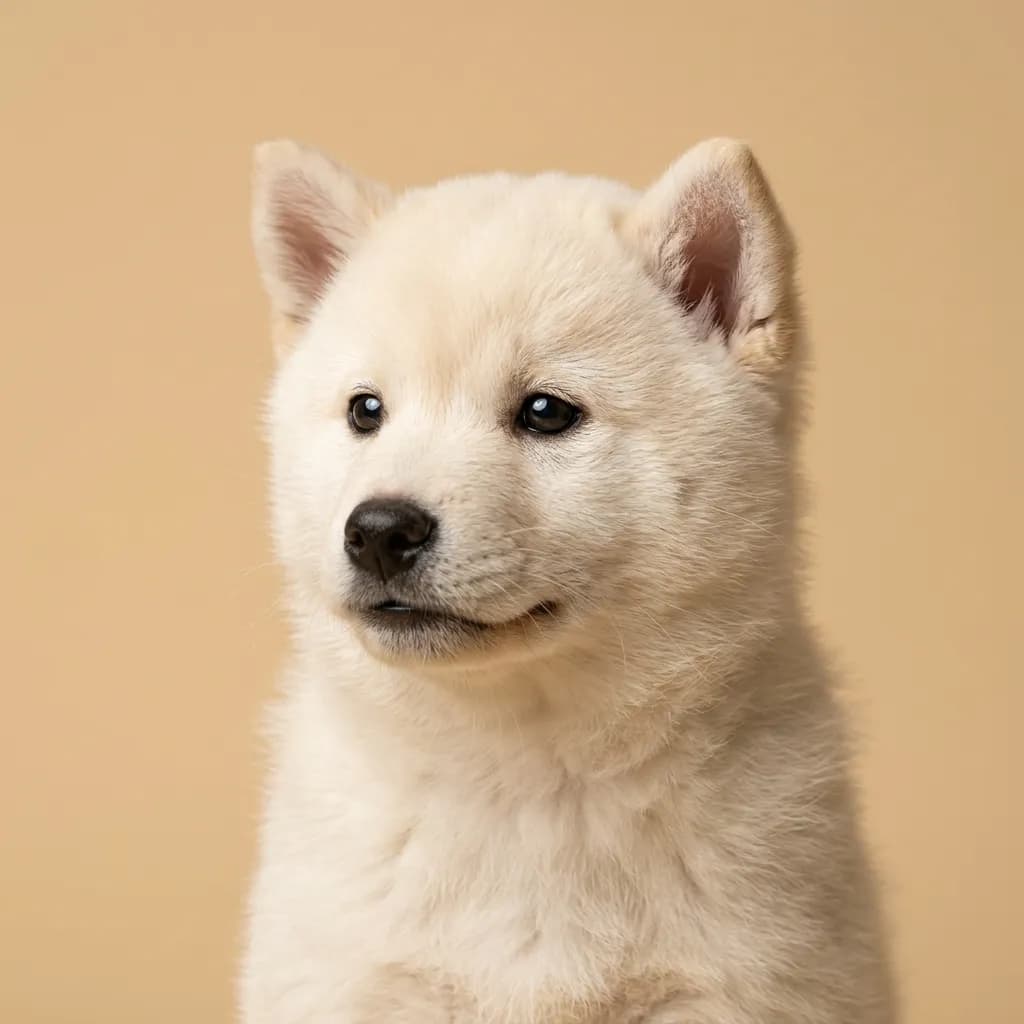
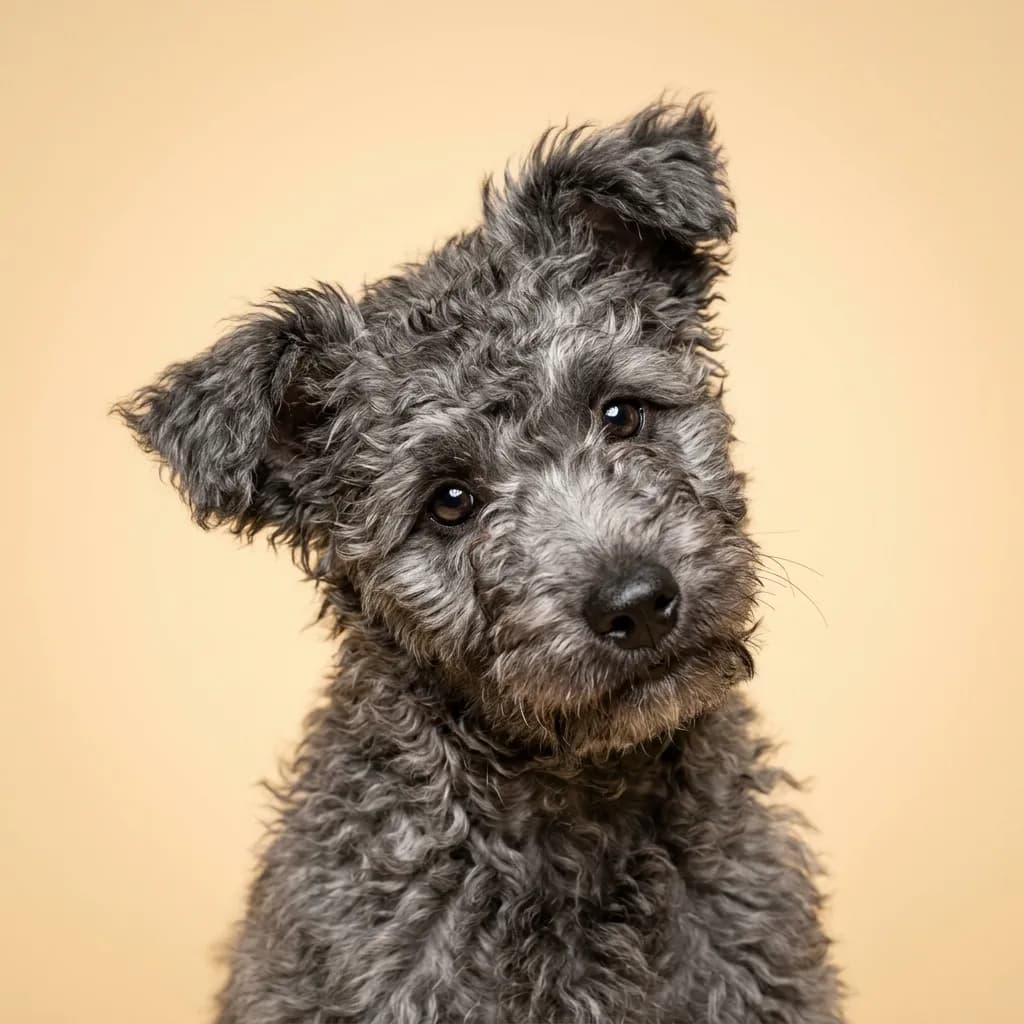
You’re not comparing these two because they look alike. they don’t. You’re here because you want a rare, high-drive dog that’s loyal to the core and doesn’t shed much. Maybe you’ve got allergies, or you hate vacuuming, and you need a partner in adventure, not just a pet. That’s where Hokkaido and Pumi cross paths, even if they started on opposite sides of the world. The Hokkaido is a mountain dog, built for cold and solitude. It’s 50 pounds of quiet intensity, bred to track bear in the snow. It’s alert and devoted, but it watches you like a guard captain, not a court jester. It’s got energy and brainpower, but it’s not desperate to please. You’ll need patience, consistency, and a yard with room to patrol. It’s not the best for kids or small homes, and it won’t follow 50 commands on the first try. But if you’re experienced and active, it’ll be your shadow in the woods. The Pumi is the opposite kind of intense. Think border collie crossed with a terrier and a stand-up comedian. It’s half the size, always moving, ears like satellite dishes, curls springing with every hop. It lives for jobs, games, tricks, anything that uses its body and mind. It’s highly trainable, affectionate, and thrives in dog sports. It adapts better to life in town. though not apartments. and sheds almost nothing. Here’s the real difference: the Hokkaido will respect you. The Pumi will try to collaborate with you. One’s a stoic partner in survival. The other’s a high-wire act that needs constant engagement. If you want a dog that feels like a family guardian from an old Japanese scroll, go Hokkaido. If you want a whirlwind that turns obedience into performance art, get the Pumi. Just don’t expect either to nap on the couch quietly.
Trait-by-trait
Higher bar = more of that trait. Shedding, barking, drooling, grooming flipped for readability.Where they diverge
Choose the Hokkaido if…
- Experienced dog owners
- Active families
- Cold climates
- You value shedding level — Hokkaido scores noticeably higher.
Choose the Pumi if…
- Active owners
- Dog sports enthusiasts
- Experienced herding breed owners
- You value affectionate w/ family — Pumi scores higher here.