Irish Setter vs Tornjak
Side-by-side comparison across all 14 AKC trait ratings, with a clear verdict on which breed fits which kind of household.
Not sure which breed fits your life?
Answer five questions about your home, your schedule, and your tolerance for shedding. We’ll match you to your top three breeds from over 200.
Irish Setter vs Tornjak
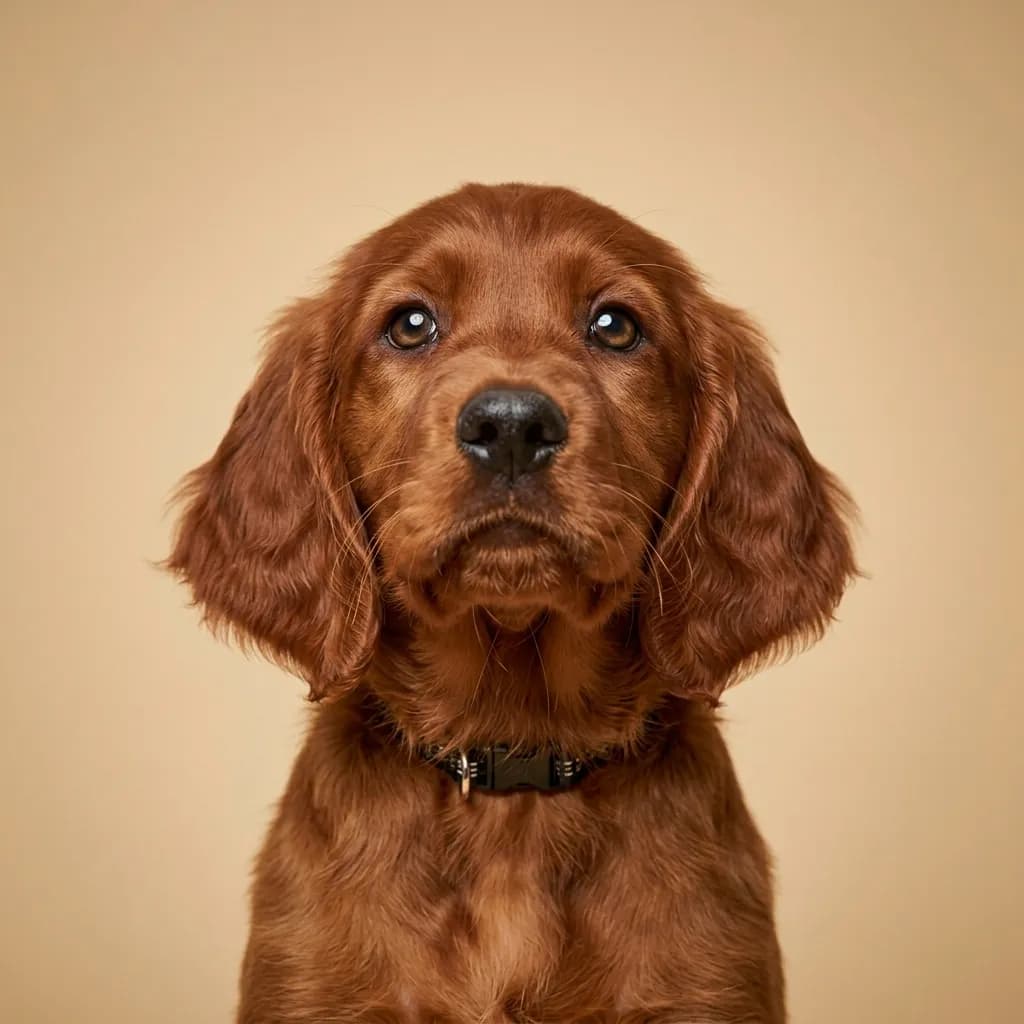
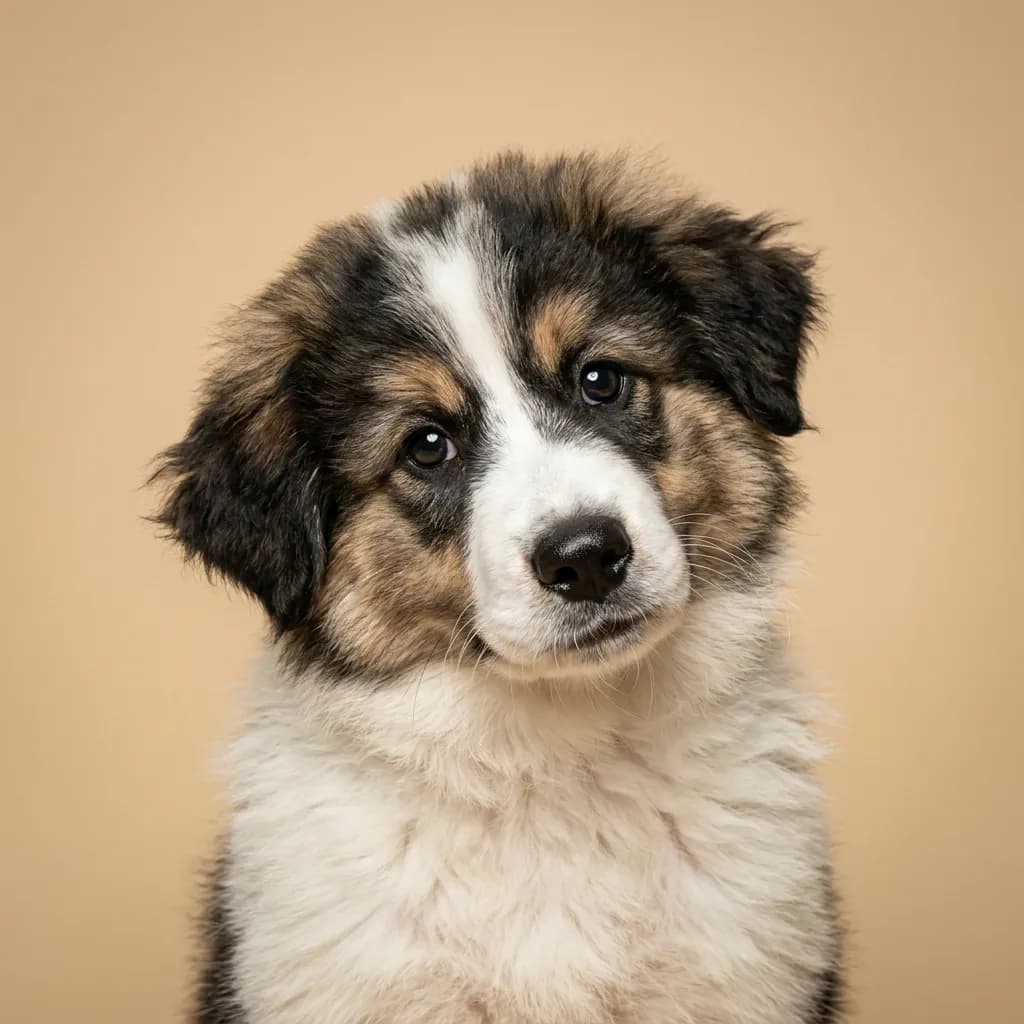
You’re probably comparing an Irish Setter and a Tornjak because you want a big dog with heart. and maybe you fell for the Setter’s fire-engine coat or the Tornjak’s noble, rugged look. But that’s where the similarity ends. These breeds come from opposite ends of the dog world. The Irish Setter is all gas, in the best way. Imagine a golden hour that never ends. This dog lives to run, play, and be part of your adventures. It’s the kind of dog that’ll hike 10 miles and still want to cuddle on the couch, tail thumping like a metronome. It’s goofy, affectionate, and naturally good with kids. But it needs space and motion. Apartment living? Not a chance. Without enough exercise and mental stimulation, this beauty turns into a 70-pound tornado of chewed baseboards and knocked-over lamps. The Tornjak, on the other hand, is the quiet watcher at the edge of the yard. Bred to guard flocks in the Balkan mountains, it’s calm, independent, and deeply loyal. It won’t follow you room to room like the Setter, but it’ll remember every stranger who’s ever stepped on your property. It’s not the type to fetch your slippers or join you on a trail run. It’s happiest with a job and a big, secure yard in a cooler climate. Here’s the real talk: the Tornjak isn’t just harder to train. it’s wired to make its own decisions. That’s great for guarding sheep at 3 a.m., not great for a first-time owner. The Setter, while energetic, wants to please. Pick the Irish Setter if you’re active and want a dog that feels like family. Pick the Tornjak only if you’ve handled big, independent breeds before and need a true guardian. One’s a golden flame. The other’s a stone fortress. Choose based on the life you actually live, not the one you dream of.
Trait-by-trait
Higher bar = more of that trait. Shedding, barking, drooling, grooming flipped for readability.Where they diverge
Choose the Irish Setter if…
- Active families
- Hunters
- Outdoors enthusiasts
- You value good with other dogs — Irish Setter scores noticeably higher.
Choose the Tornjak if…
- Experienced large-breed owners
- Farm or rural settings
- Livestock guardian needs
- You value watchdog / protective — Tornjak scores higher here.