Irish Terrier vs Pudelpointer
Side-by-side comparison across all 14 AKC trait ratings, with a clear verdict on which breed fits which kind of household.
Not sure which breed fits your life?
Answer five questions about your home, your schedule, and your tolerance for shedding. We’ll match you to your top three breeds from over 200.
Irish Terrier vs Pudelpointer
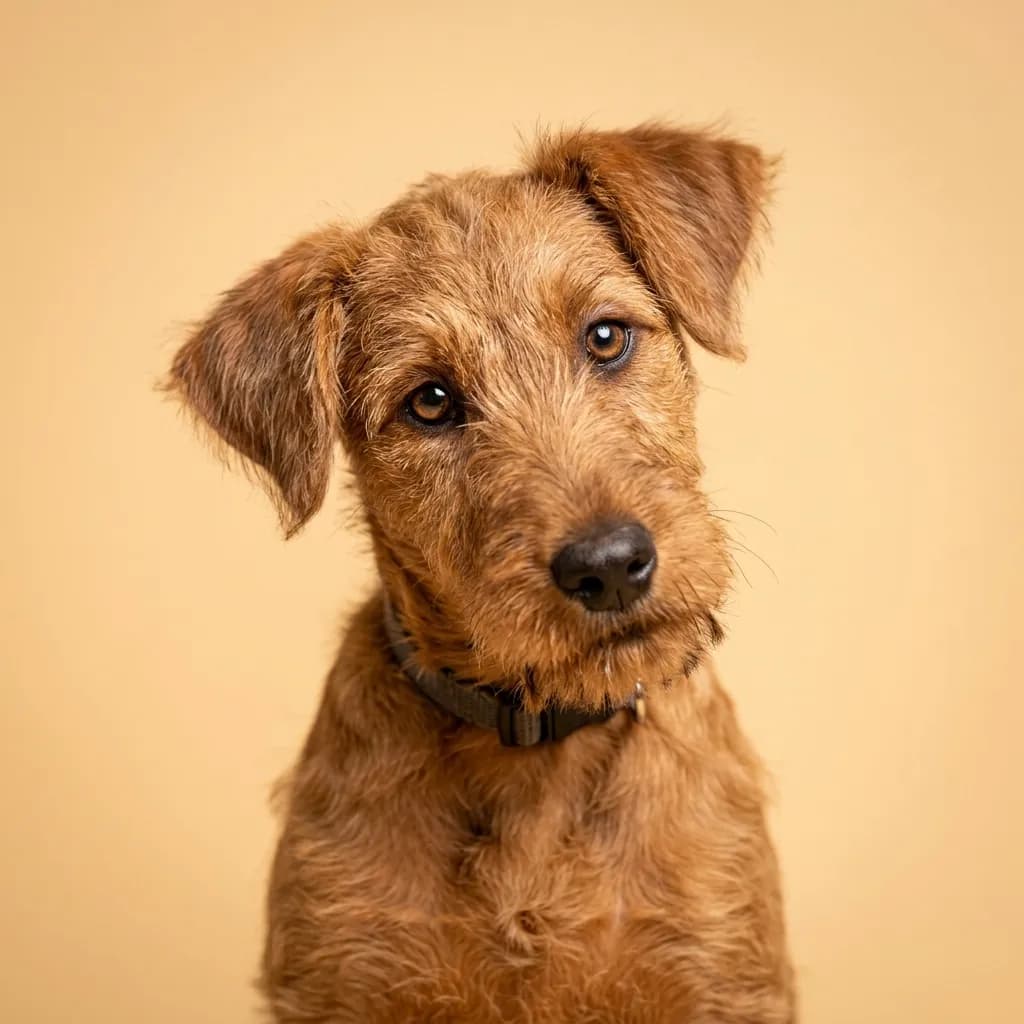
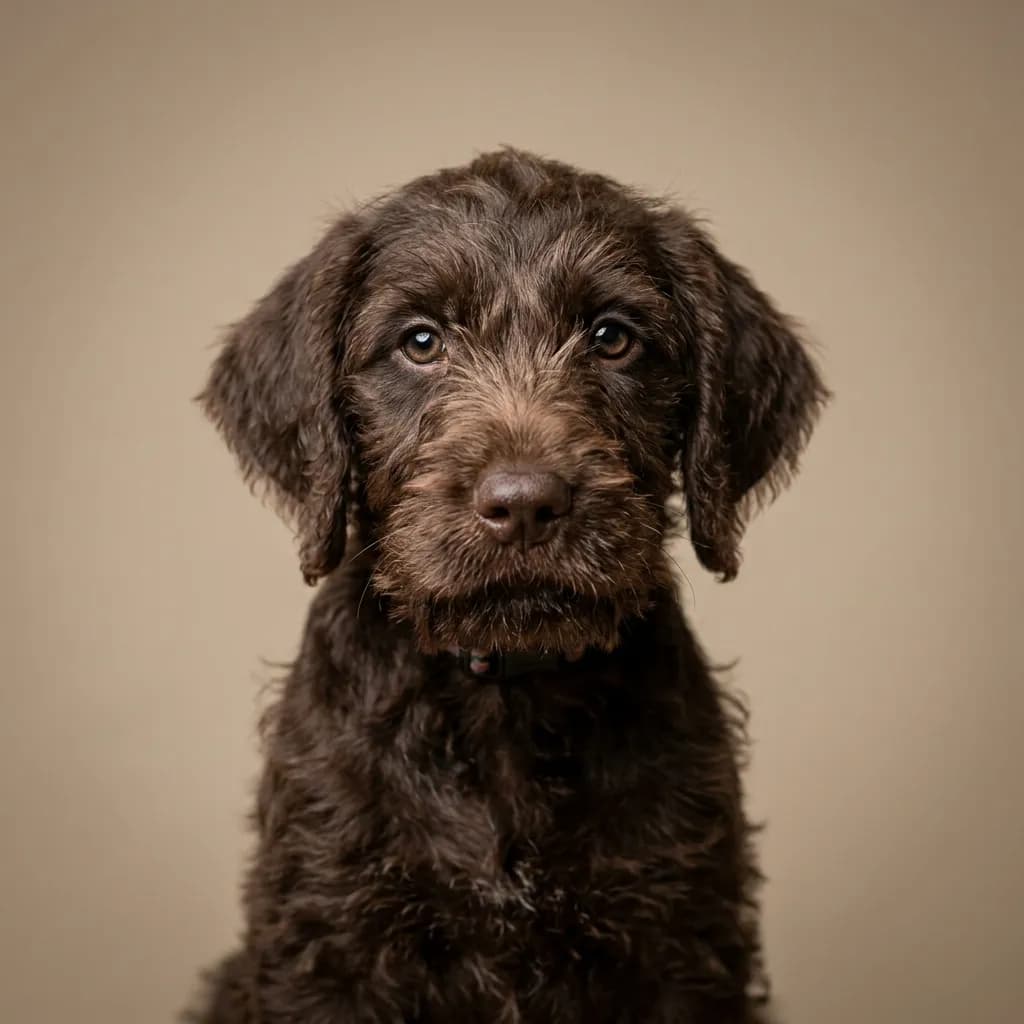
People compare Irish Terriers and Pudelpointers because both are rugged, working dogs with a nose for adventure and a place in hunting history. But that’s where the similarities end. Think of the Irish Terrier as the fiery redhead of the dog world. compact, fearless, and deeply loyal to his family. He’ll stand up to a coyote twice his size and still come home ready to cuddle with the kids. At 27 pounds, he’s no lightweight in spirit, needing real mental engagement and a job to do. Without it, he’ll find his own entertainment, usually involving digging or barking at squirrels. He’s better with children than most breeds, but his terrier instinct means small pets aren’t safe. The Pudelpointer, meanwhile, is the athlete with a PhD. bred in Germany to be a do-it-all gun dog. He points, retrieves in water, tracks like a bloodhound, and listens intently to his handler. At up to 70 pounds, he’s nearly triple the size of the Irish Terrier and built for endurance. You don’t just walk a Pudelpointer, you train him. multiple times a day. He’s not quite as openly affectionate as the Irish, and while he tolerates kids, he’d rather be running through fields than playing tea party. Choose the Irish Terrier if you want a bold, compact companion for rural or active suburban life who loves the whole family and doesn’t need a gun to feel fulfilled. Pick the Pudelpointer if you’re a hunter or seriously committed to dog sports and have the space and stamina to match his drive. Here’s the real talk: the Irish Terrier will forgive a day off. The Pudelpointer won’t. Skip the Pudelpointer unless you’re ready to live outdoors with purpose.
Trait-by-trait
Higher bar = more of that trait. Shedding, barking, drooling, grooming flipped for readability.Where they diverge
Choose the Irish Terrier if…
- Active families
- Outdoors enthusiasts
- Experienced terrier owners
- You value good with young children — Irish Terrier scores noticeably higher.
Choose the Pudelpointer if…
- hunters
- very active owners
- waterfowl and upland bird hunters
- You value good with other dogs — Pudelpointer scores higher here.