Japanese Spitz vs Keeshond
Side-by-side comparison across all 14 AKC trait ratings, with a clear verdict on which breed fits which kind of household.
Not sure which breed fits your life?
Answer five questions about your home, your schedule, and your tolerance for shedding. We’ll match you to your top three breeds from over 200.
Japanese Spitz vs Keeshond
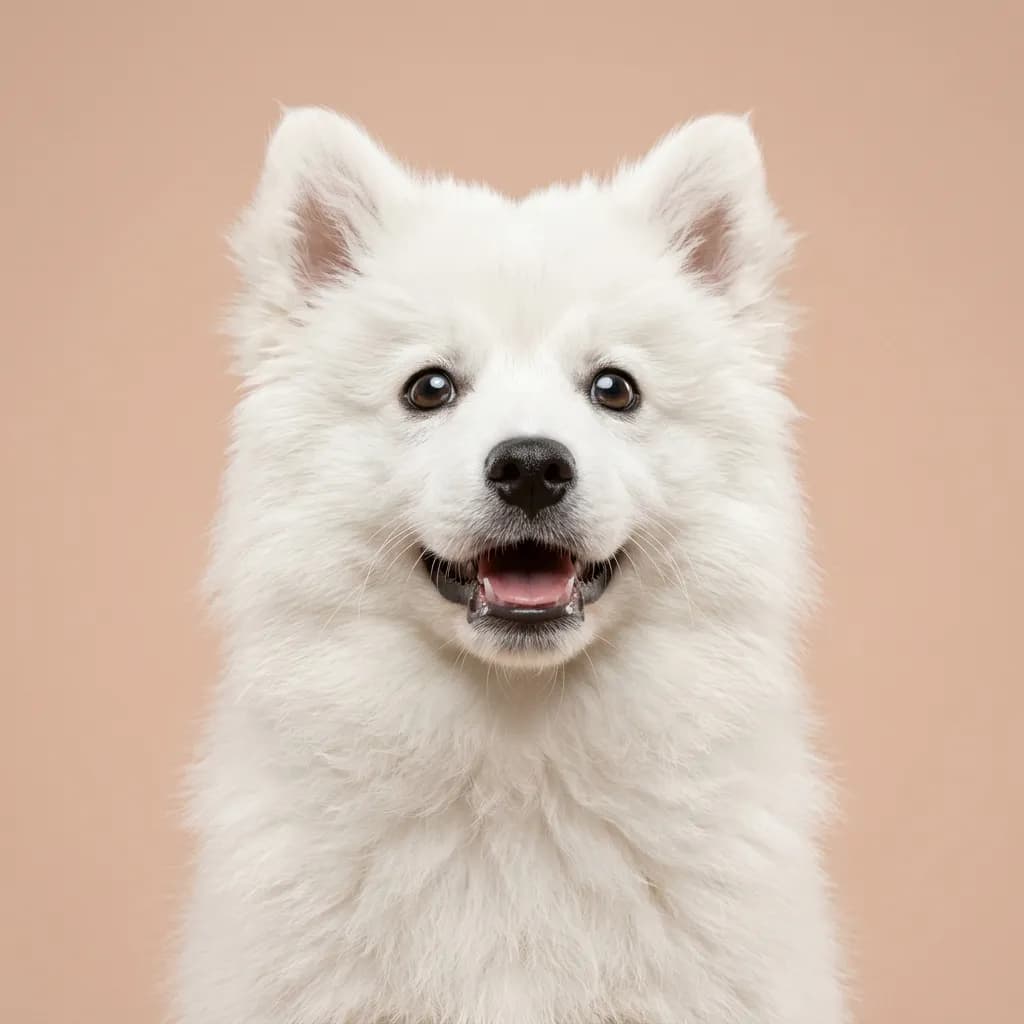
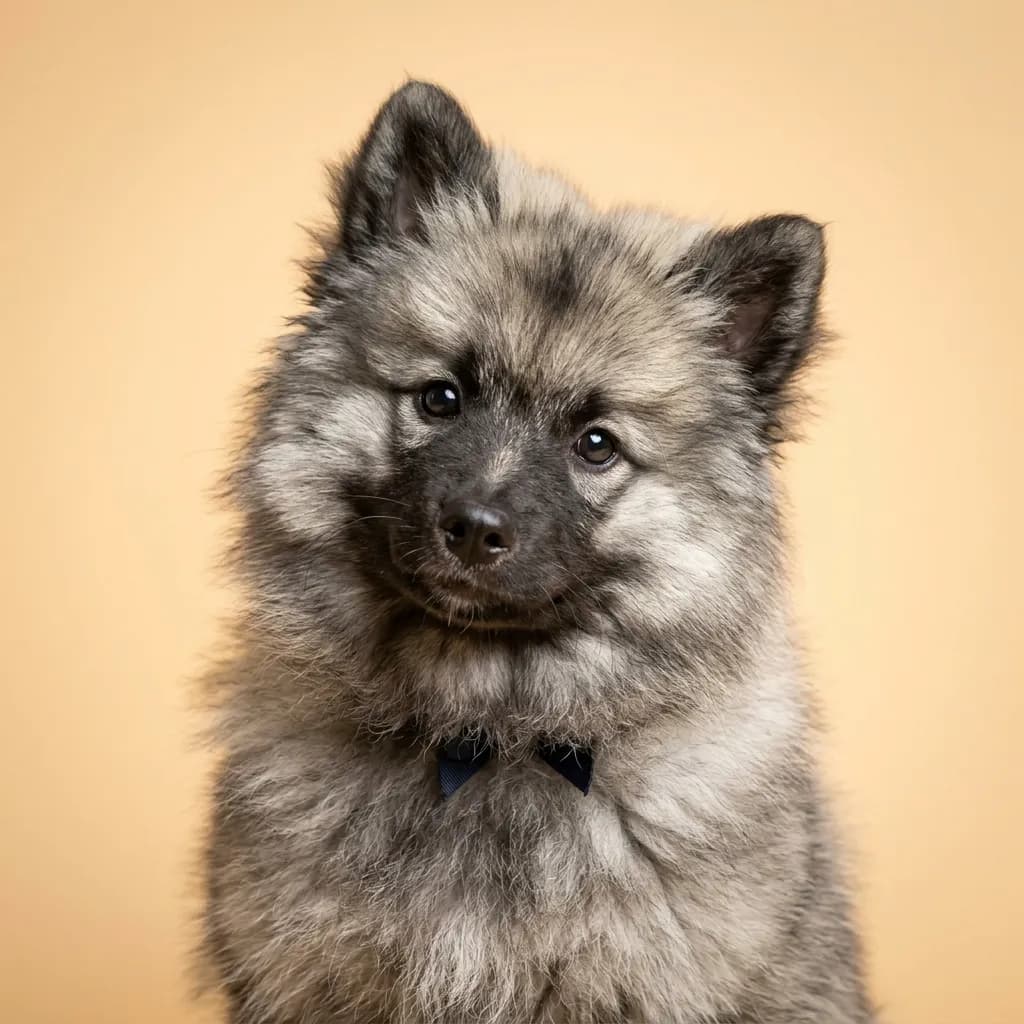
People compare the Japanese Spitz and Keeshond because they’re both fluffy, white, fox-faced charmers that look like they walked out of a snowglobe. At first glance, you might think they’re long-lost cousins. But spend a little time with them, and you’ll see they’re built for different lives. The Japanese Spitz is the compact, velcro companion. small enough to tuck under your arm, with a soft bark and a quiet confidence. It’s loyal to a fault and thrives in apartments, making it a solid pick if you live in a city or just want a shadow who’s always nearby. But don’t be fooled by the size. That thick white coat needs regular brushing, and those big, dark eyes tend to run, leaving tear stains you’ll clean weekly. It’s sweet with kids but better suited to calm homes where it won’t get stepped on. The Keeshond, meanwhile, is a bigger, bolder presence. stocky, expressive, and built like a plush teddy bear with a ruff. It’s bred to be a watchdog, which means it’s alert, chatty, and deeply involved in your daily routine. You’ll hear it when the mail arrives. And the neighbor walks by. And a leaf blows past the window. But that barking comes with heart. Keeshonds bond hard with families and are famously good with kids, thriving in homes where someone’s around to engage them. They do best in cooler climates. their double coat is no joke in summer. Here’s what the data won’t tell you: the Keeshond has a reputation for “velcro brain.” It doesn’t just follow you. it needs to know what you’re doing, when, and why. If you want a thoughtful, engaged companion who doubles as a furry therapist, go Keeshond. If you want a sweet, low-drama lapdog with a little fluff and a lot of love, the Japanese Spitz will steal your heart quietly.
Trait-by-trait
Higher bar = more of that trait. Shedding, barking, drooling, grooming flipped for readability.Where they diverge
Choose the Japanese Spitz if…
- Apartment dwellers
- Families with children
- First-time owners
Choose the Keeshond if…
- Families with children
- Active owners
- Cold climates
- You value good with young children — Keeshond scores higher here.