Japanese Spitz vs Kishu Ken
Side-by-side comparison across all 14 AKC trait ratings, with a clear verdict on which breed fits which kind of household.
Not sure which breed fits your life?
Answer five questions about your home, your schedule, and your tolerance for shedding. We’ll match you to your top three breeds from over 200.
Japanese Spitz vs Kishu Ken
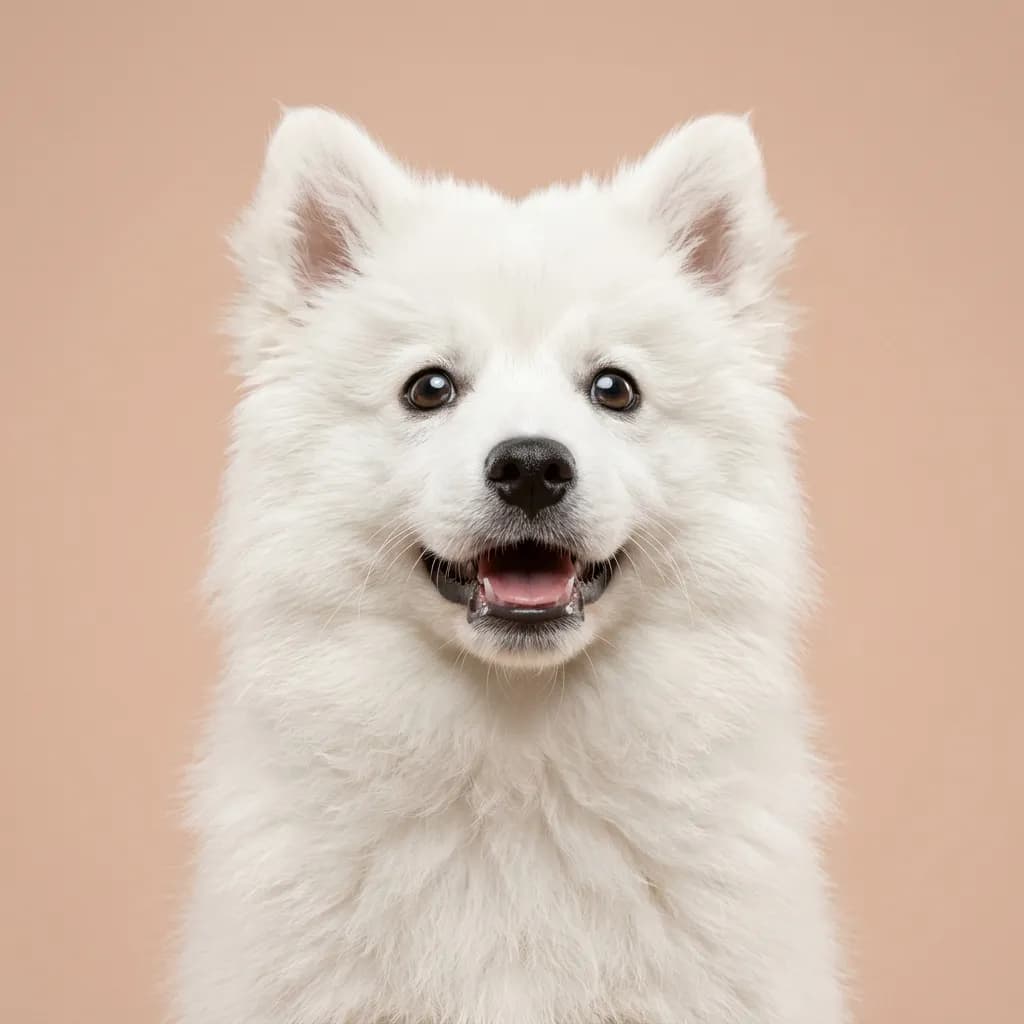
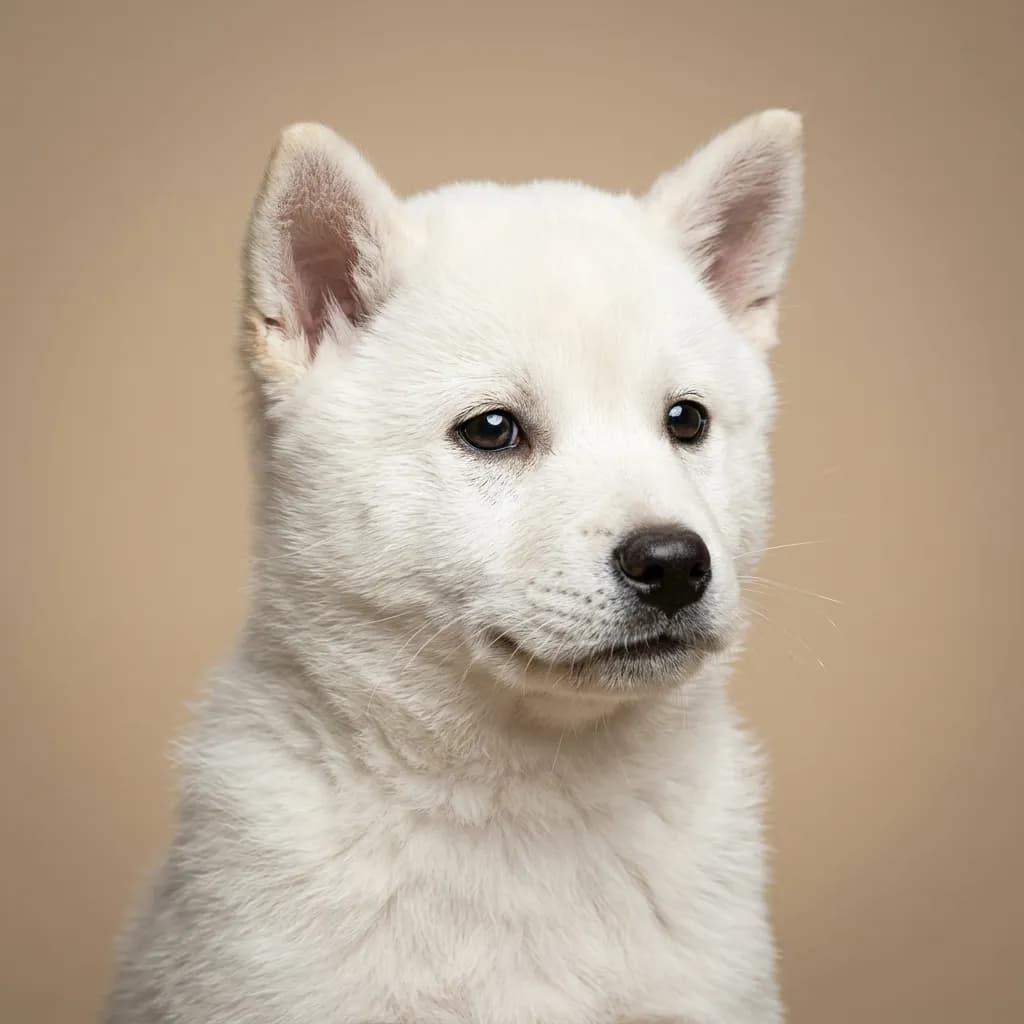
People compare the Japanese Spitz and Kishu Ken because they’re both Japanese, both white-coated, and both rare enough that you don’t see them at every dog park. But that’s where the real similarities end. One is a snowball with a heartbeat, the other a quiet forest ghost built for mountain chases. The Japanese Spitz is your cheerful apartment companion. It’s small, eager to please, and thrives on human attention. You’ll find it curling up on your lap, barking at the mail carrier, and generally acting like a living stuffed animal. It’s great for first-time owners who want a loyal, affectionate dog that adapts well to city life. But that fluffy white coat? It’s not low maintenance. You’ll be brushing several times a week, and you’ll still find fluff on your dark clothes. And yes, it barks. enough to notice, not enough to guard a property. The Kishu Ken is the opposite kind of quiet. Bred to hunt boar and deer in rugged terrain, it’s larger, more reserved, and deeply independent. It won’t follow you room to room, but it will watch you with intense focus, like it’s memorizing your movements. It’s not aloof, just self-possessed. This dog needs space, both physically and mentally. It’s not for apartment living or chaotic homes with kids running wild. And if you have a cat or rabbit, good luck. its prey drive is strong and hardwired. Here’s the thing most breed summaries won’t tell you: the Japanese Spitz wants to be your emotional mirror, always tuned in. The Kishu Ken lets you earn its trust, then guards it like a secret. Pick the Spitz if you want constant warmth and charm. Pick the Kishu if you’re ready for a relationship built on mutual respect, not affection on demand.
Trait-by-trait
Higher bar = more of that trait. Shedding, barking, drooling, grooming flipped for readability.Where they diverge
Choose the Japanese Spitz if…
- Apartment dwellers
- Families with children
- First-time owners
- You value affectionate w/ family — Japanese Spitz scores noticeably higher.
Choose the Kishu Ken if…
- Experienced dog owners
- Active owners
- Cold climates
- You value good with strangers — Kishu Ken scores higher here.