Japanese Spitz vs Papillon
Side-by-side comparison across all 14 AKC trait ratings, with a clear verdict on which breed fits which kind of household.
Not sure which breed fits your life?
Answer five questions about your home, your schedule, and your tolerance for shedding. We’ll match you to your top three breeds from over 200.
Japanese Spitz vs Papillon
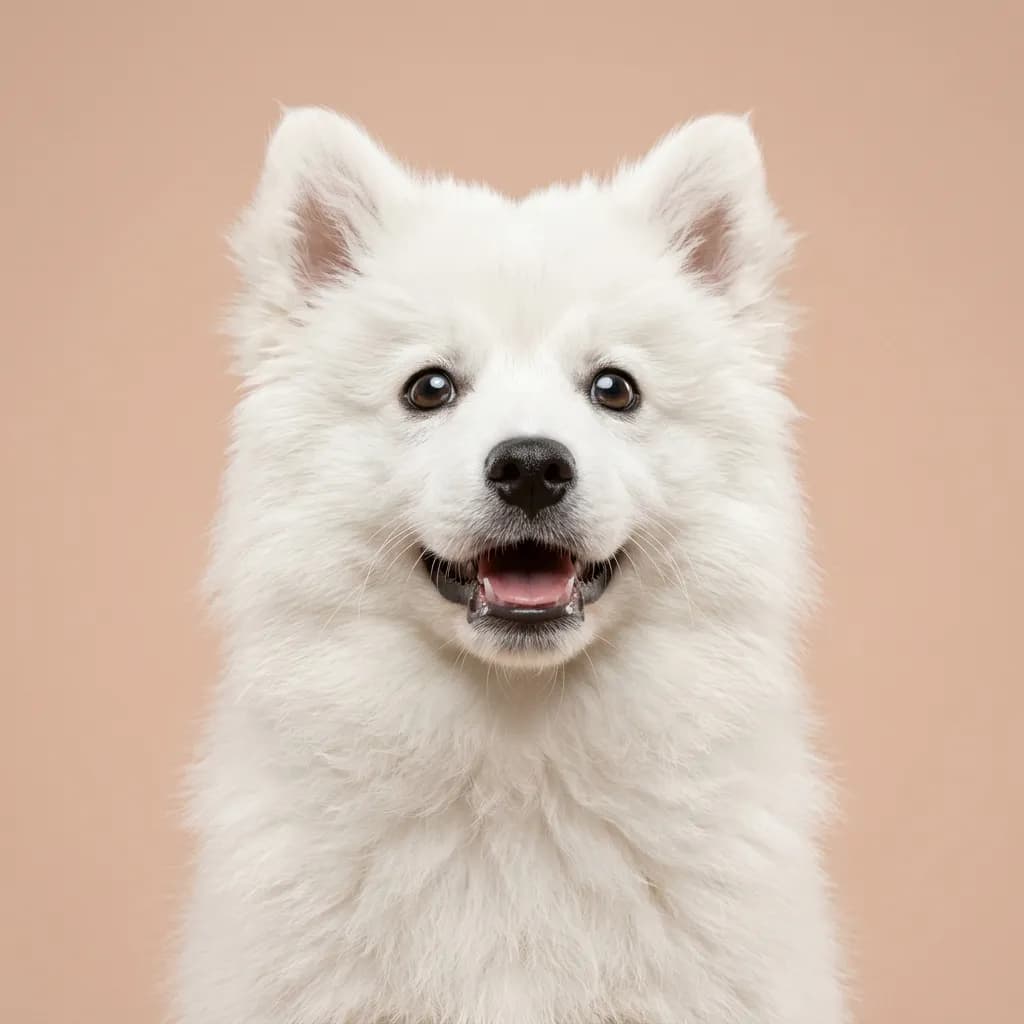
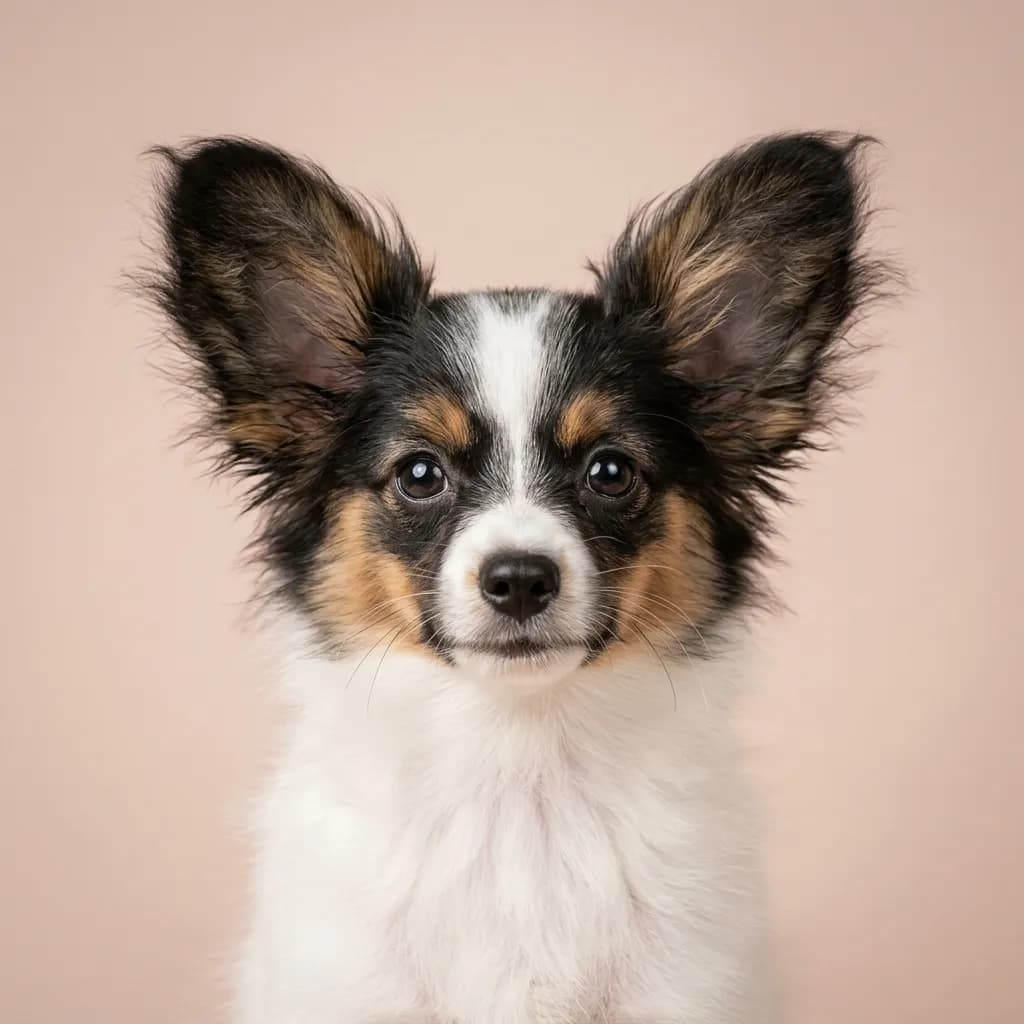
People compare Japanese Spitz and Papillons because they’re both small, white, fluffy companion dogs with big personalities and ears that could launch paper airplanes. At first glance, they look like cousins at a family reunion. fluffy, alert, and built for cuddles. But living with one versus the other? That’s where the paths split. The Japanese Spitz is your steady shadow. They’re sweet, loyal, and thrive on routine. You’ll get a dog that follows you from room to room like a living cloud, content to nap at your feet or play gently with kids. They bark when something changes. a doorbell, a squirrel, a leaf. but it’s more alert than endless chatter. Their double coat looks high-maintenance but sheds moderately; you’ll brush weekly, not daily. They’re adaptable, great for apartments or homes, and first-time owners won’t feel overwhelmed. Then there’s the Papillon. This dog is a spark plug in a feathered coat. Bred for royal courts, they’re clever, flashy, and always on. If your idea of fun is agility, tricks, or just a dog that learns a new command in three minutes, this is your breed. But they’re not quiet about it. Papillons are alert to everything, which means they’ll announce the mailman, the neighbor’s cat, and the wind shifting. They’re fearless with older kids but can be too intense for toddlers. And while they’re tiny, they’re not lap dogs in the passive sense. they want to be doing something. Here’s the real difference: the Spitz is a companion who happens to be smart. The Papillon is a brain in a circus costume who happens to love you. If you want charm with calm, go Spitz. If you want brilliance that never shuts off, get the Papillon. Just don’t expect silence.
Trait-by-trait
Higher bar = more of that trait. Shedding, barking, drooling, grooming flipped for readability.Where they diverge
Choose the Japanese Spitz if…
- Apartment dwellers
- Families with children
- First-time owners
- You value coat grooming — Japanese Spitz scores noticeably higher.
Choose the Papillon if…
- Apartment living
- Active owners
- Families with older children
- You value good with young children — Papillon scores higher here.