Jindo vs Swedish Lapphund
Side-by-side comparison across all 14 AKC trait ratings, with a clear verdict on which breed fits which kind of household.
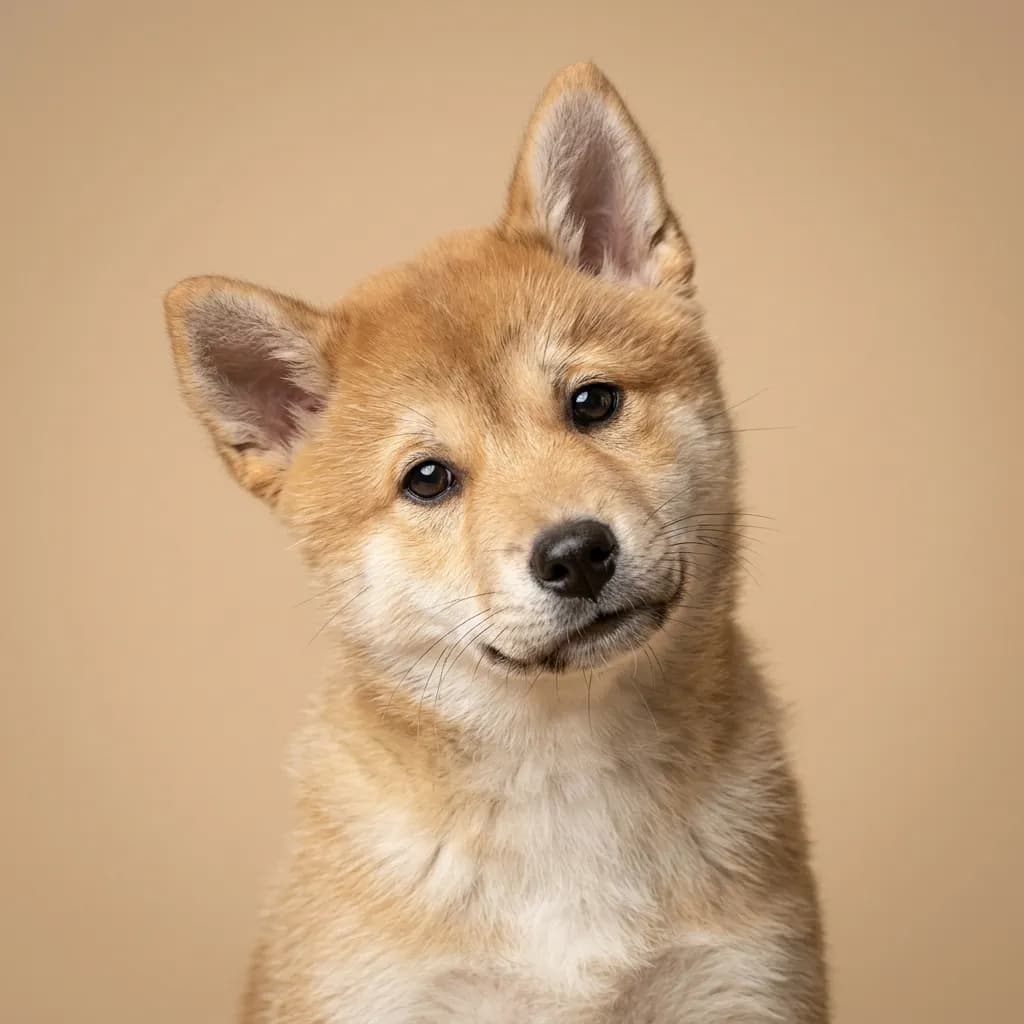
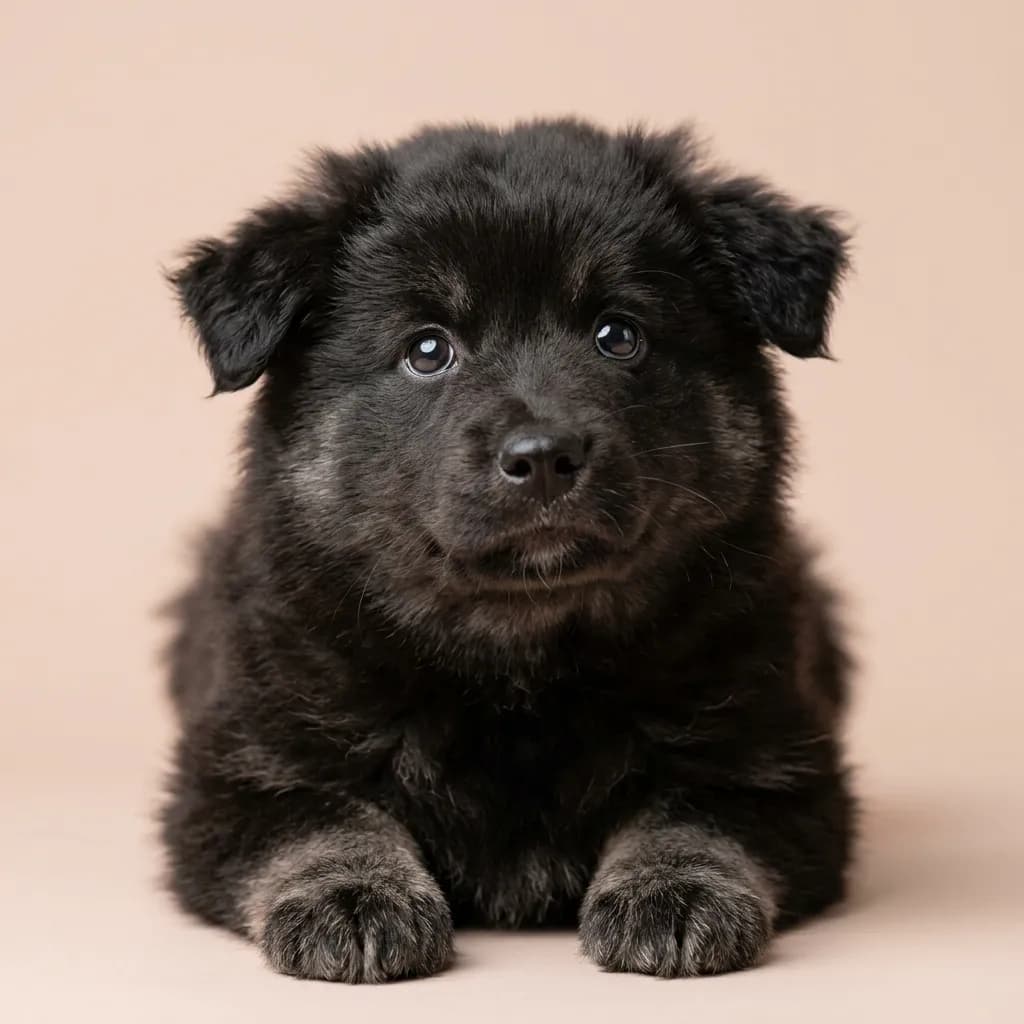
Not sure which breed fits your life?
Answer five questions about your home, your schedule, and your tolerance for shedding. We’ll match you to your top three breeds from over 200.
Jindo vs Swedish Lapphund
People compare Jindos and Swedish Lapphunds because they’re both medium-sized, spitz-type dogs with fox-like faces and thick double coats that look deceptively similar in photos. But that’s where the similarity ends. If you’re choosing between them, you’re really choosing between a fiercely independent hunter and a lively, people-focused herding partner. The Jindo is a dog that thinks for itself. Bred to hunt boar and deer alone on a remote island, it’s alert, bold, and deeply loyal. but on its own terms. It’s not that it won’t listen; it’s that it weighs your request against its own judgment first. This makes it brilliant for experienced owners who appreciate a dog with a mind of its own, but a nightmare for anyone wanting a biddable companion. It’s affectionate with its family but reserved with strangers and can be unpredictable around small pets. It thrives in rural settings where it has space and purpose. The Swedish Lapphund, in contrast, lives for partnership. It was bred to work closely with the Sami people, herding reindeer with energy, focus, and constant communication. yes, that means barking. It’s highly trainable, eager to please, and openly affectionate. It bonds deeply with its family and does better in active homes where it can learn and engage, whether in dog sports or winter hikes. Here’s the real difference: the Jindo will follow you because it respects you. The Lapphund will follow you because it wants to be with you. If you want a dog that feels like a wild spirit you’ve earned, go Jindo. If you want a joyful, trainable teammate who’ll hug you with his whole body, pick the Lapphund. And don’t be fooled by the fluffy coats. these dogs come from entirely different worlds.
Trait-by-trait
Higher bar = more of that trait. Shedding, barking, drooling, grooming flipped for readability.Where they diverge
Choose the Jindo if…
- Experienced dog owners
- Active individuals
- Families with older children
- You value watchdog / protective — Jindo scores noticeably higher.
Choose the Swedish Lapphund if…
- Active families
- Cold climate households
- Dog sports enthusiasts
- You value affectionate w/ family — Swedish Lapphund scores higher here.