Swedish Lapphund
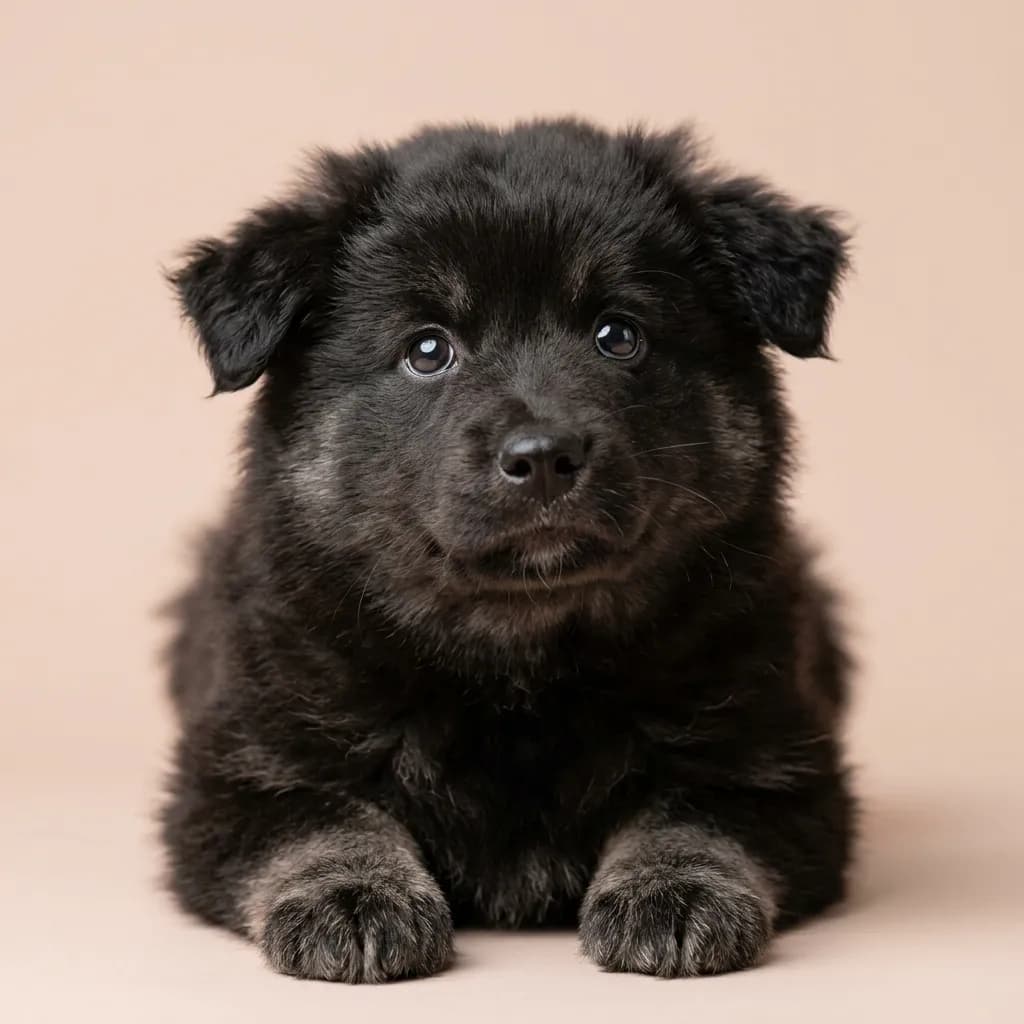
One of Sweden's oldest native breeds, developed by the Sami people to herd reindeer across the arctic. Swedish Lapphunds are lively, smart, and vocal — they use their voice to work, and that instinct doesn't switch off at home. They're rare outside Scandinavia but catching on with Nordic breed enthusiasts.
Free weekly training plan, specific to your Swedish Lapphund’s age. Exactly what to focus on this week.
Get your free training planLiving with a Swedish Lapphund
The Swedish Lapphund has been working the Arctic tundra for centuries, herding reindeer for the indigenous Sami people of northern Sweden. This isn’t a breed built for show or couch cuddles on a whim. At 30 to 45 pounds and standing 16 to 20 inches, they’re medium-sized dogs with a thick double coat designed for sub-zero temps, not your average suburban summer.
They’re alert, intelligent, and constantly tuned in to their surroundings, which makes them fantastic watchdogs, though that also means they bark. A lot. If you live in a hot climate or want a quiet household, this isn’t your dog.
Day to day, a Lapphund is lively and deeply affectionate with their family. They bond closely, greeting you like you’ve been gone for months even if it’s only been 10 minutes. But don’t mistake their sweetness for laziness.
These dogs need real mental and physical work. A daily 60-minute walk won’t cut it. They thrive on dog sports like agility, herding trials, or advanced obedience.
Without consistent stimulation, they’ll invent their own jobs, like redecorating your garden or barking at the mail carrier like it’s a national emergency. Grooming is manageable but non-negotiable. Their dense coat sheds year-round and blows twice a year, so weekly brushing is a must and near-daily during shedding season.
It’s not high-maintenance like a Pomeranian, but don’t expect to skip the vacuum for a week. Health-wise, they’re generally solid for 12 to 14 years, but you’ll want to screen for progressive retinal atrophy, hip dysplasia, and hereditary cataracts. Reputable breeders do these tests, so don’t skimp when spending $1500 to $4000.
Diabetes also appears in the breed, so diet and weight management matter from puppyhood. They’re good with kids but not endlessly patient. Young, chaotic households might overwhelm them.
Same with sedentary owners, they need active partners who’ll train, hike, or compete. Here’s the real talk: most people underestimate how much this breed needs to do something. They’re not just energetic.
They’re thinkers. If you don’t give them a job, they’ll find one, and it probably won’t be what you wanted.
14 traits, at a glance.
Every breed on PuppyBase is rated across the 14 trait dimensions the American Kennel Club publishes — from trainability to drooling level. The higher the score, the better the fit for that trait.
What to expect day-to-day
Things to screen for
- Diabetes mellitus
- Hip dysplasia
- Progressive retinal atrophy
- Hereditary cataract
- Epilepsy
See a full price breakdown — first-year costs, lifetime estimate, breeder vs. adoption.
Full price guideSimilar breeds
Browse all 200+



Common questions
How long do Swedish Lapphunds live?
Swedish Lapphunds typically live between 12 and 14 years, which is a solid lifespan for a dog of their size. With proper care and regular vet checkups, many live into their early teens.
How much does a Swedish Lapphund puppy cost?
A Swedish Lapphund puppy usually costs between $1,500 and $3,500, with most selling around $2,500. Their price is high due to their rarity and the specialized breeding programs outside Scandinavia.
How much do Swedish Lapphunds shed?
Swedish Lapphunds shed moderately year-round and blow their undercoat heavily twice a year. You'll need to brush them weekly, and more often during shedding seasons to manage loose fur.
What colors do Swedish Lapphunds come in?
Swedish Lapphunds come in solid black, rich brown, or a distinctive bear brown that resembles a small bear. Their coat is always medium-length with a thick double coat.
How big do Swedish Lapphunds get?
Swedish Lapphunds stand 16 to 20 inches tall and weigh between 30 and 45 pounds. They're medium-sized with a compact, sturdy build built for cold climates.
Are Swedish Lapphunds smart?
Yes, Swedish Lapphunds are very intelligent and were bred to make independent decisions while herding reindeer. They learn quickly and thrive in dog sports like obedience, agility, and herding trials.
Are Swedish Lapphunds hypoallergenic?
No, Swedish Lapphunds are not hypoallergenic. They have a dense double coat that sheds and carries dander, so they’re not suitable for people with allergies.
Are Swedish Lapphunds aggressive?
No, Swedish Lapphunds are not aggressive by nature. They're alert and can be vocal, but they're generally friendly with people and other dogs when properly socialized.
What health problems are common in Swedish Lapphunds?
Common health issues include progressive retinal atrophy, hip dysplasia, hereditary cataracts, diabetes, and epilepsy. Responsible breeders screen for these conditions.
Do Swedish Lapphunds bark a lot?
Yes, they bark a lot. Bred to vocalize while working with reindeer, they use their voice to communicate and will alert you to anything unusual. This makes them excellent watchdogs but challenging for noise-sensitive homes.
Are Swedish Lapphunds easy to train?
Yes, Swedish Lapphunds are very easy to train due to their intelligence and eagerness to work with people. They respond best to positive reinforcement and consistent, engaging methods.
Are Swedish Lapphunds good family dogs?
They can be good family dogs for active households that enjoy outdoor adventures. They’re affectionate with their people but only moderately patient with young children, so supervision is needed.
Are Swedish Lapphunds good with cats?
Swedish Lapphunds can live with cats if raised together or properly introduced. Their herding instinct may kick in with fast-moving pets, so early socialization is key.
Are Swedish Lapphunds good guard dogs?
They're not guard dogs, but they are excellent watchdogs. They’ll bark to alert you to strangers or unusual activity, though they’re more likely to greet visitors warmly than show aggression.
Can Swedish Lapphunds live in apartments?
They can live in apartments only if their owner is extremely active and committed to daily exercise and mental stimulation. Without enough activity, they’ll become restless and noisy.
When do Swedish Lapphunds calm down?
Swedish Lapphunds stay energetic well into adulthood and don’t truly calm down until they’re about 3 to 4 years old. Even then, they’ll always need regular activity to stay balanced.
Not sure which breed fits your life?
Answer five questions about your home, your schedule, and your tolerance for shedding. We’ll match you to your top three breeds from over 200.