Kai Ken vs Portuguese Pointer
Side-by-side comparison across all 14 AKC trait ratings, with a clear verdict on which breed fits which kind of household.

Not sure which breed fits your life?
Answer five questions about your home, your schedule, and your tolerance for shedding. We’ll match you to your top three breeds from over 200.
Kai Ken vs Portuguese Pointer
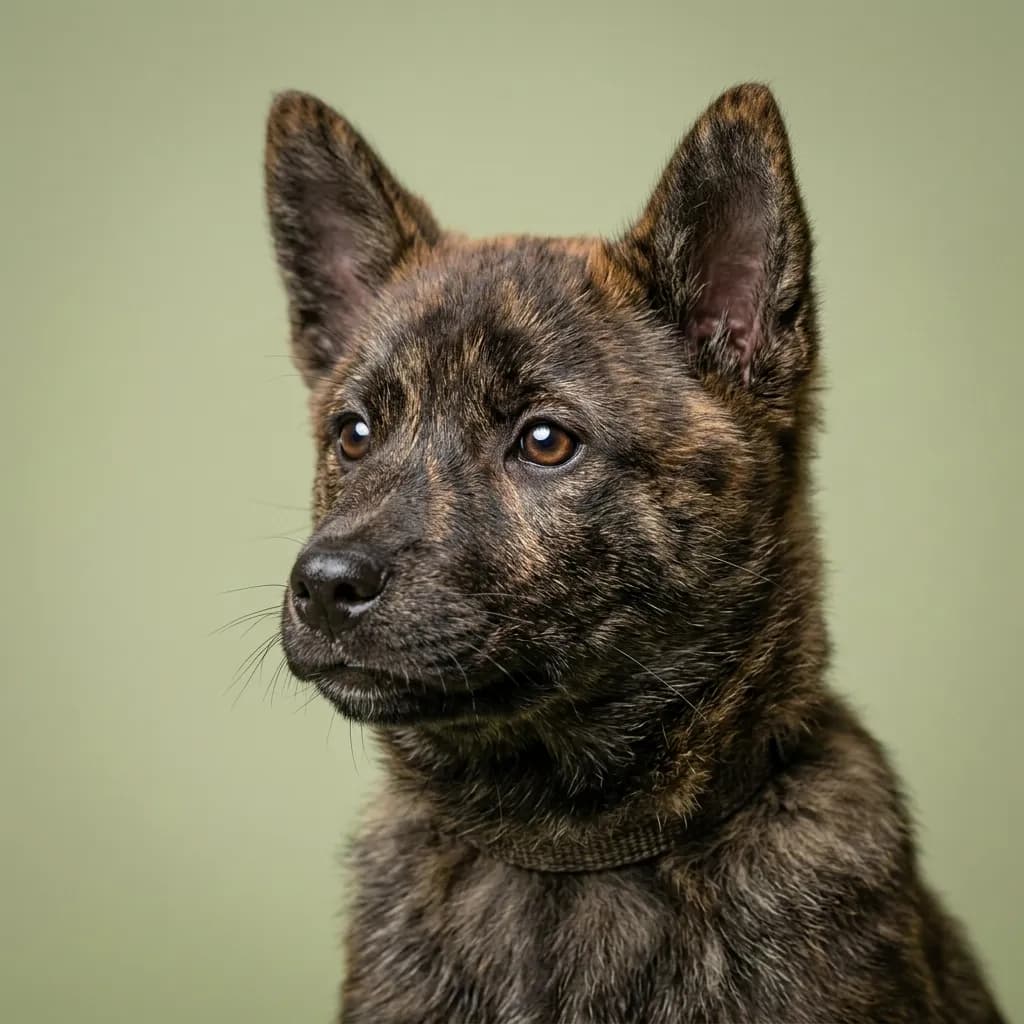
You don’t see people comparing a Kai Ken to a Portuguese Pointer every day, but if you’re deep into rare breeds and live an active, outdoor-focused life, the choice might cross your mind. Both are hunting dogs with tight ties to tradition, both are rare in the U.S., and both demand engagement. But they’re shaped by wildly different landscapes and lifestyles. The Kai Ken is Japan’s mountain ghost. a compact, agile dog built for rugged terrain and quiet precision. It’s loyal to its people but reserved, even aloof with strangers. You won’t find a tail-chasing goofball here. Kai Kens bond deeply with experienced owners who appreciate their independence and mental sharpness. They’re not built for apartments or chaotic households, and they won’t tolerate small pets underfoot. This isn’t the dog to bring to a backyard barbecue with kids running wild. You’ll need space, cold weather, and patience. The Portuguese Pointer, on the other hand, is all heart and motion. Bred to work in open fields alongside falconers, it’s bigger, more social, and thrives on connection. It’s affectionate with kids, eager to please, and needs serious physical output. If you hunt birds or can give it structured outdoor work, it’ll be your shadow. But without that outlet, it’ll turn your yard into a dig site. Here’s the real difference most overlook: the Kai Ken respects you like a student respects a sensei. The Portuguese Pointer loves you like a partner. Pick the first if you want a disciplined companion who’ll follow you into the woods without a leash. Pick the second if you want a dog that wants to be part of the family pack, every single day.
Trait-by-trait
Higher bar = more of that trait. Shedding, barking, drooling, grooming flipped for readability.Where they diverge
Choose the Kai Ken if…
- Experienced dog owners
- Active owners
- Cold climates
- You value watchdog / protective — Kai Ken scores noticeably higher.
Choose the Portuguese Pointer if…
- hunters
- active families
- experienced sporting dog owners
- You value affectionate w/ family — Portuguese Pointer scores higher here.