Kai Ken vs Samoyed
Side-by-side comparison across all 14 AKC trait ratings, with a clear verdict on which breed fits which kind of household.
Not sure which breed fits your life?
Answer five questions about your home, your schedule, and your tolerance for shedding. We’ll match you to your top three breeds from over 200.
Kai Ken vs Samoyed
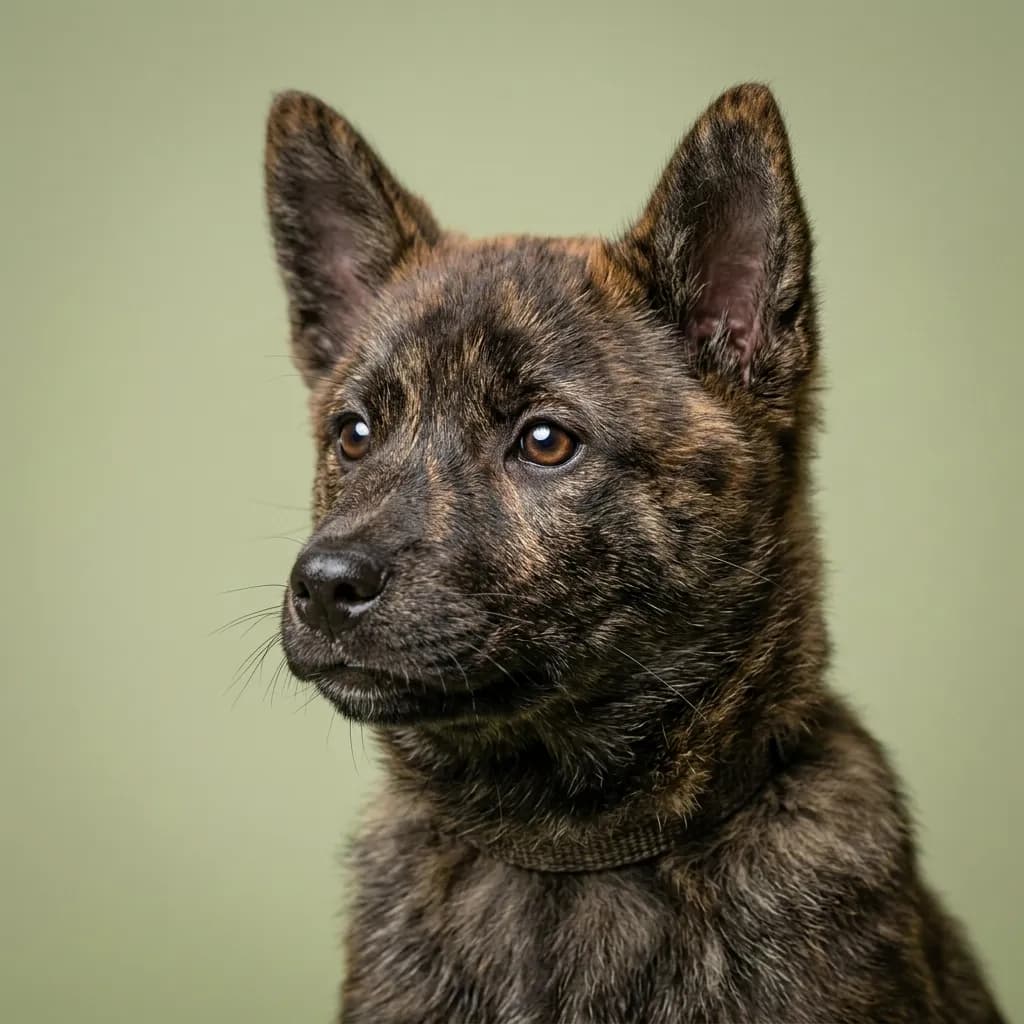
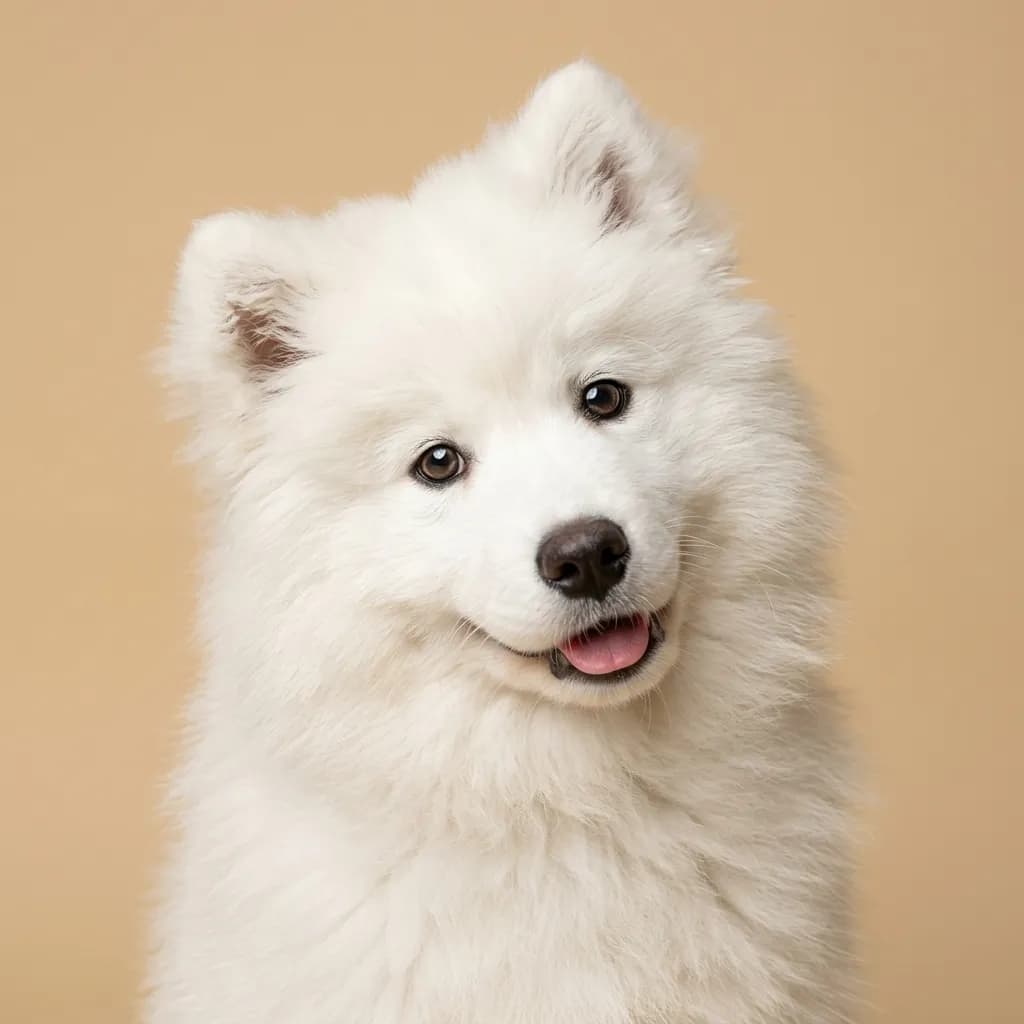
People compare Kai Kens and Samoyeds because they’re both striking, medium to large-sized dogs with thick double coats built for cold weather, and they share a certain wild, wolf-like look that turns heads. But that’s where the real similarities end. Choose the Kai Ken if you want a dog that’s part shadow, part athlete. quiet in the home but intensely focused outside, forged for rugged terrain and a seasoned handler. This isn’t a breed that settles into suburban life easily. It’s loyal to its person, yes, but reserved with strangers and kids, and it won’t tolerate small pets thanks to strong prey drive. You’ll need time, consistency, and space. The Samoyed, on the other hand, is the dog that greets your entire family like they’ve returned from a decade at sea. Bred to work closely with people, they’re social, affectionate, and thrive on interaction. They’ll bark at the mailman, the squirrel, and their own reflection, so if noise is a dealbreaker, look elsewhere. But they adapt well to family life, even in a smaller yard, as long as they get their daily movement and mental work. Here’s the thing most breed guides miss: the Kai Ken’s independence isn’t aloofness. it’s situational awareness. They’re not trying to be difficult, they’re scanning the perimeter. The Samoyed’s smile? It’s not just charm, it’s a working history of living in close quarters with people, needing to be cooperative, not cautious. Pick the Kai Ken if you’re experienced, active, and want a quiet partner in adventure. Go for the Samoyed if you want a joyful, people-oriented dog who’ll fit into family rhythms but demand grooming and manage barking. Both need cold climates and committed owners, but one’s a mountain sentry, the other a hearth companion. Know which home. and heart. you’re filling.
Trait-by-trait
Higher bar = more of that trait. Shedding, barking, drooling, grooming flipped for readability.Where they diverge
Choose the Kai Ken if…
- Experienced dog owners
- Active owners
- Cold climates
- You value watchdog / protective — Kai Ken scores noticeably higher.
Choose the Samoyed if…
- Active families
- Cold climate households
- Dog sports enthusiasts
- You value affectionate w/ family — Samoyed scores higher here.