Karelian Bear Dog vs Keeshond
Side-by-side comparison across all 14 AKC trait ratings, with a clear verdict on which breed fits which kind of household.
Not sure which breed fits your life?
Answer five questions about your home, your schedule, and your tolerance for shedding. We’ll match you to your top three breeds from over 200.
Karelian Bear Dog vs Keeshond
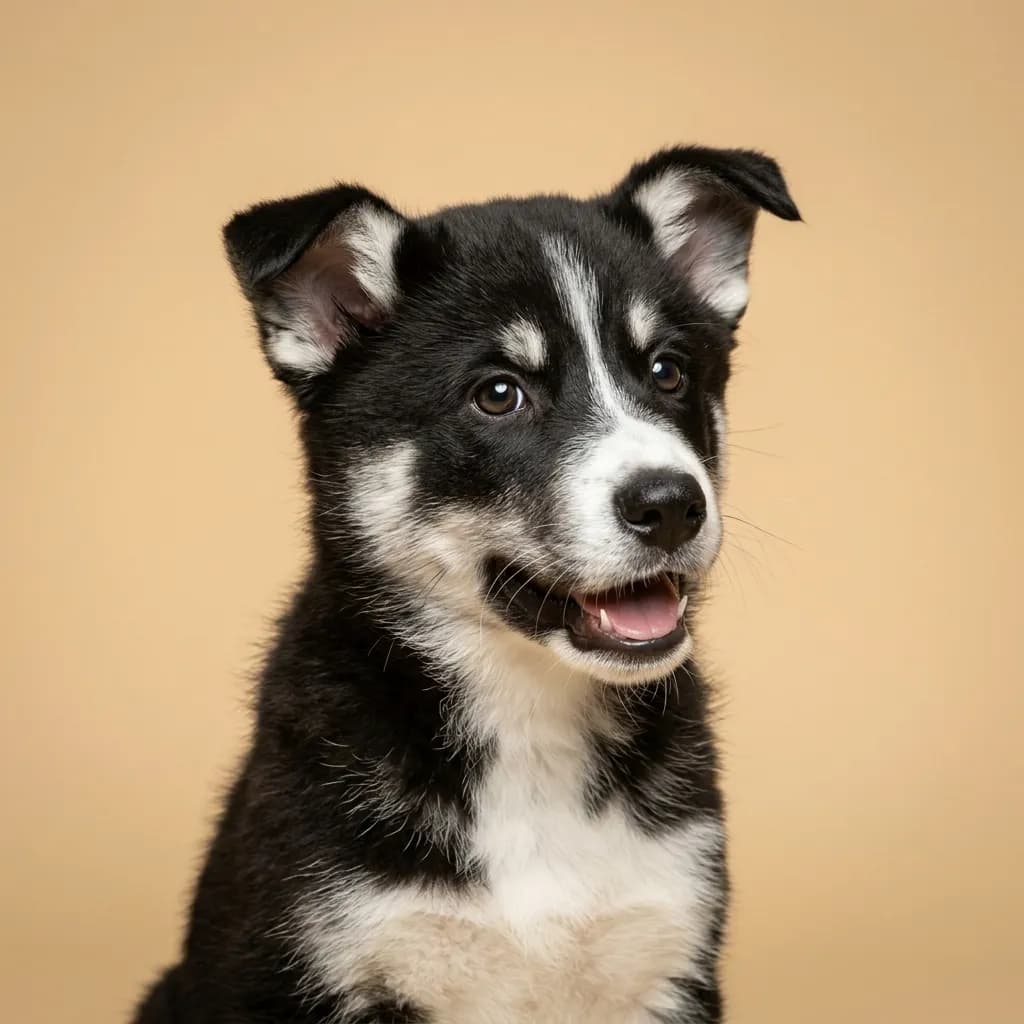
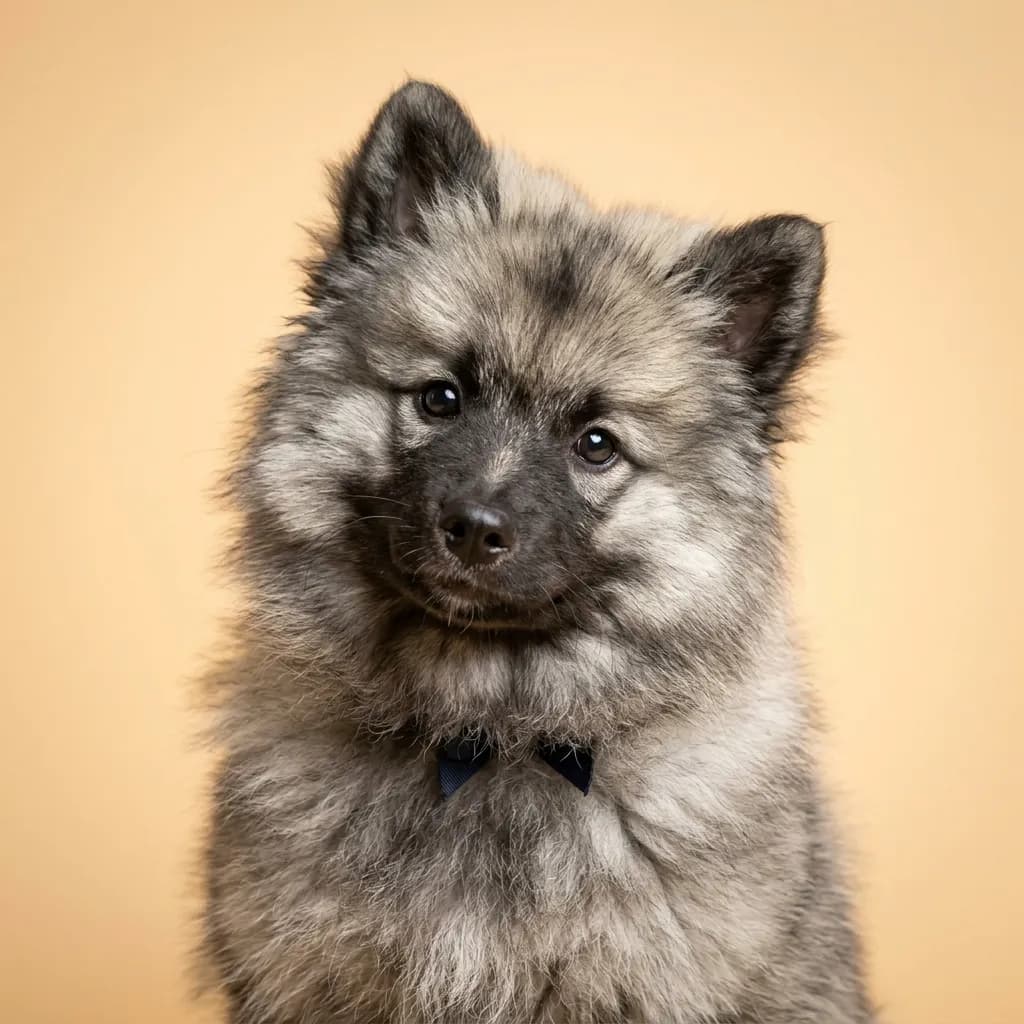
You probably wouldn’t think to compare a Finnish bear hunter with a Dutch barge watchdog. unless you’ve stood in a breeder’s yard, snow in your boots, wondering which fluffy-faced, medium-sized northern dog can handle your cold-weather life. That’s where this odd pairing comes up: both are spitz-type dogs with thick coats and fox-like expressions, and both cost the same upfront, $800 to $2,500. But that’s where the similarity ends. The Karelian Bear Dog is not a family pet. It’s a working predator with a 4/5 trainability score not because it wants to please you, but because it’s sharp and mission-driven. It was bred to track and bark at bears. yes, bears. until the hunter arrives. That means it’s bold, suspicious of strangers, and absolutely not suited for homes with other dogs or young kids. You need experience, space, and a job for this dog. Without mental challenge, it will invent its own chaos. The Keeshond, in contrast, is the neighborhood greeter. It’s got that same plush coat and alert stance, but its energy goes into leaning on you, learning tricks, and yodeling at squirrels. Bred to bond with canal families, it thrives on routine, kids, and consistent interaction. It’s adaptable, affectionate, and actually likes other pets. Here’s the real difference most people miss: the Karelian isn’t stubborn out of defiance. it’s independent because survival depended on making split-second decisions in the forest. The Keeshond isn’t just loud. it’s communicative, wired to be part of a social unit. Pick the Karelian if you want a partner in the wild. Pick the Keeshond if you want a furry roommate who happens to look like a stuffed animal come to life.
Trait-by-trait
Higher bar = more of that trait. Shedding, barking, drooling, grooming flipped for readability.Where they diverge
Choose the Karelian Bear Dog if…
- Experienced dog owners
- Hunters of large game
- Cold climates
Choose the Keeshond if…
- Families with children
- Active owners
- Cold climates
- You value good with young children — Keeshond scores higher here.