Karelian Bear Dog vs Labrador Retriever
Side-by-side comparison across all 14 AKC trait ratings, with a clear verdict on which breed fits which kind of household.

Not sure which breed fits your life?
Answer five questions about your home, your schedule, and your tolerance for shedding. We’ll match you to your top three breeds from over 200.
Karelian Bear Dog vs Labrador Retriever
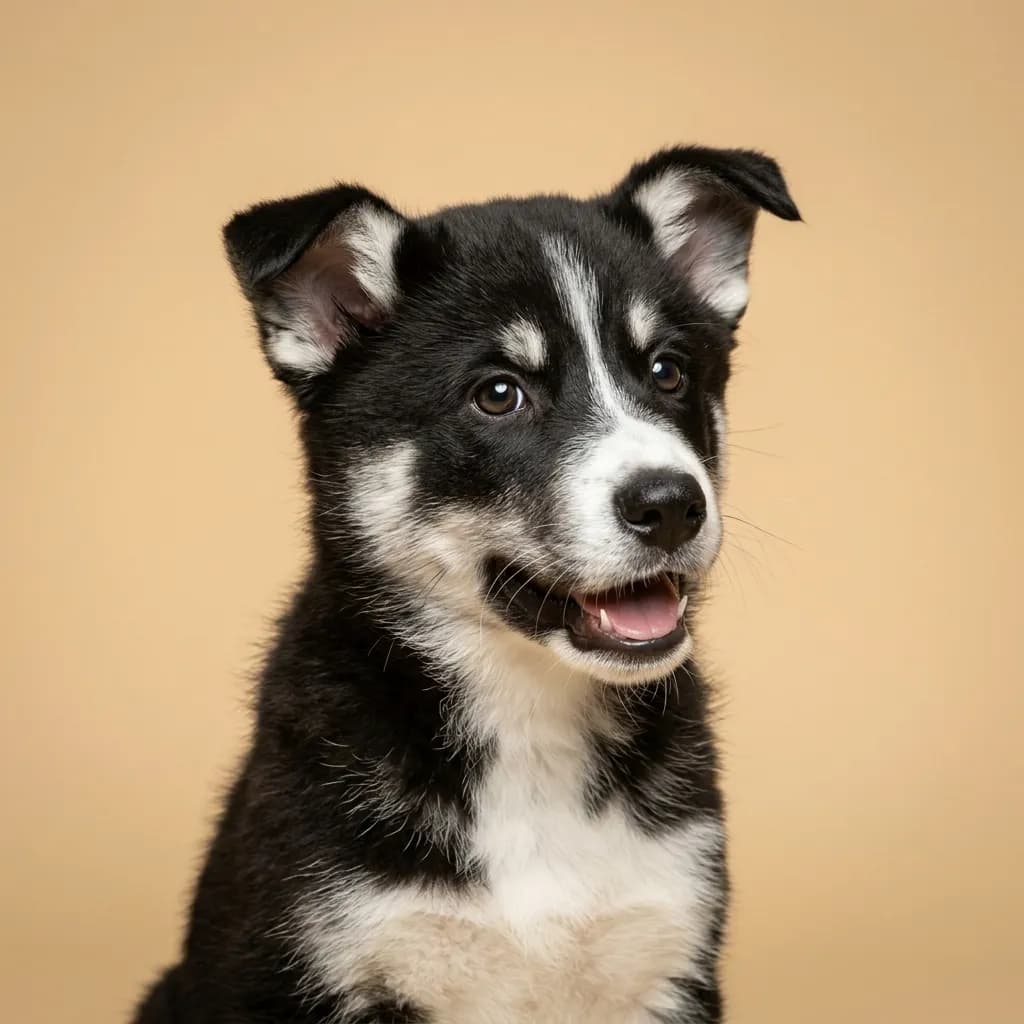
You’re not really comparing these two breeds because they’re similar. you’re looking at them side by side because someone said “dog” and your brain went to extremes. The Karelian Bear Dog and the Labrador Retriever represent two ends of the canine spectrum. One was built to bark down a bear in the Finnish wilderness. The other was bred to gently carry a duck back to a guy in a duck blind. Different jobs. Different souls. If you’re thinking about a Karelian, you’re not just getting a dog. you’re taking on a project. This is a dog that needs a job, space, and an owner who speaks fluent “dog” and isn’t fazed by independence or territorial barking. They’re fiercely loyal, smart as hell, and won’t back down from a moose. But they’re not for first-timers, and good luck introducing them to your neighbor’s golden retriever. They’re not built for suburbia. The Lab? They’re the golden child of the dog world. They’ll swim in freezing lakes for a tennis ball, cuddle your kids after soccer practice, and sit quietly at your feet in a coffee shop. They’re trainability incarnate, and their affection isn’t conditional on having a purpose. But they shed like it’s their job, need constant activity, and will eat your entire pantry if left alone. Here’s the real talk: Labs are forgiving. Karelians aren’t. A Lab will adapt when you’re tired or inconsistent. A Karelian will use that moment to remind you who’s really in charge. Pick the Lab if you want a dog that fits your life. Pick the Karelian only if you’re ready to build your life around the dog.
Trait-by-trait
Higher bar = more of that trait. Shedding, barking, drooling, grooming flipped for readability.Where they diverge
Choose the Karelian Bear Dog if…
- Experienced dog owners
- Hunters of large game
- Cold climates
- You value watchdog / protective — Karelian Bear Dog scores noticeably higher.
Choose the Labrador Retriever if…
- Families with children
- First-time owners
- Active individuals
- You value good with young children — Labrador Retriever scores higher here.