Keeshond vs Kishu Ken
Side-by-side comparison across all 14 AKC trait ratings, with a clear verdict on which breed fits which kind of household.
Not sure which breed fits your life?
Answer five questions about your home, your schedule, and your tolerance for shedding. We’ll match you to your top three breeds from over 200.
Keeshond vs Kishu Ken
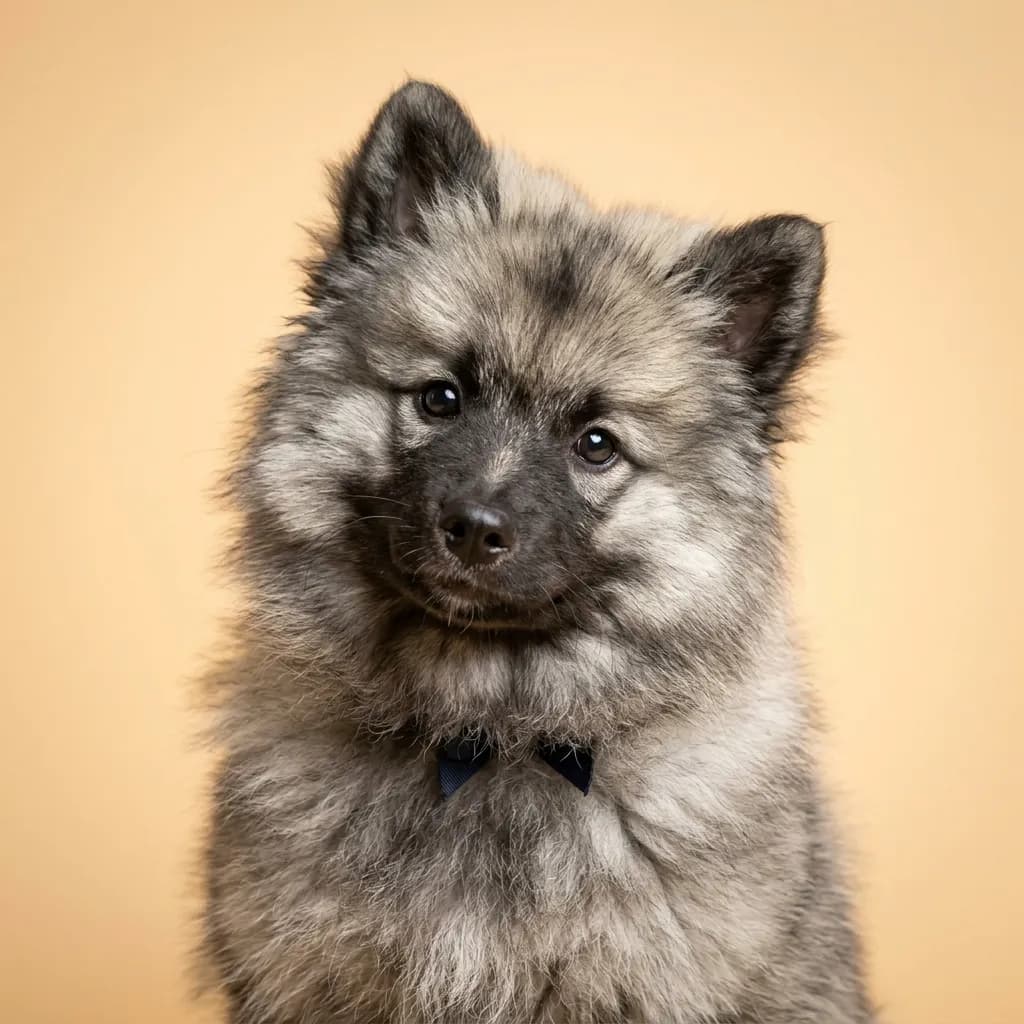
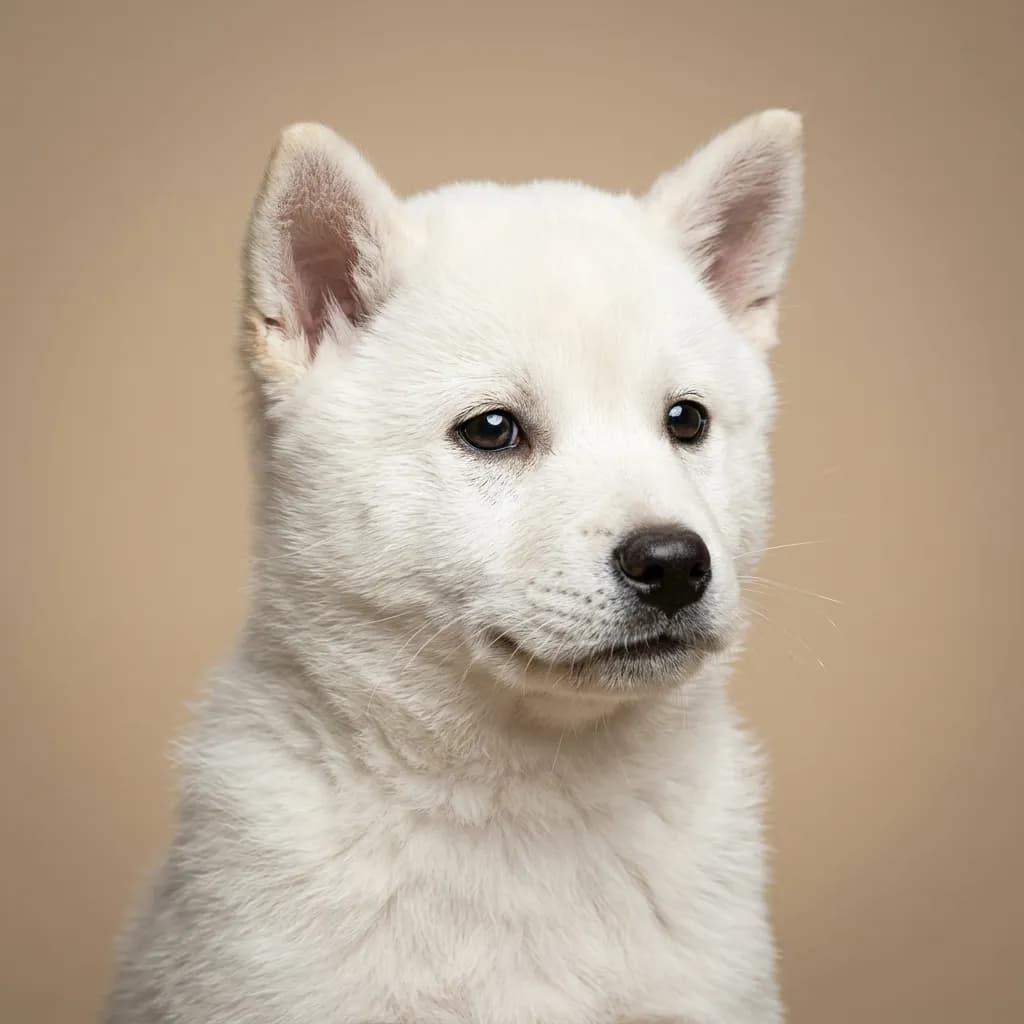
People compare Keeshonden and Kishu Kens because they look vaguely similar at a glance. both are spitz-type dogs with thick double coats, pointed ears, and tails curled over their backs. But that’s where the family reunion ends. Choosing between them isn’t just preference. It’s lifestyle, experience, and what kind of dog energy you can actually live with. The Keeshond is your friendly neighborhood goofball with a permanent smile and a bark ready for anything. They thrive in family life, adore kids, and adapt to apartments or houses just fine as long as you’re around. They’re eager to please, train easily, and while they shed moderately and bark often, they’re a solid pick for first-time owners who want a loyal, interactive dog. They were bred to live and work closely with people on boats, and it shows. they want to be in the mix. The Kishu Ken? Not so much. This dog is a quiet, intense hunter bred to track wild boar in the Japanese mountains. They’re reserved, independent, and notoriously difficult to train. Not because they’re not smart. they are. but because they’re wired to make their own decisions. They bond deeply with one or two people and are wary of strangers, kids, and other animals. They’re not barkers, but their silence can be misleading. That calm exterior hides a dog that will chase a squirrel into another county. If you’re a seasoned handler who values quiet competence over cuddles, the Kishu might be your match. But if you want a dog that greets the mailman like a long-lost cousin and learns tricks in an afternoon, go Keeshond. Here’s the real talk: the Kishu Ken’s affection isn’t earned through treats or training. It’s granted on their terms, years into the relationship. That’s not stubbornness. That’s respect. And you can’t rush it.
Trait-by-trait
Higher bar = more of that trait. Shedding, barking, drooling, grooming flipped for readability.Where they diverge
Choose the Keeshond if…
- Families with children
- Active owners
- Cold climates
- You value adaptability — Keeshond scores noticeably higher.
Choose the Kishu Ken if…
- Experienced dog owners
- Active owners
- Cold climates