Keeshond vs Norwegian Elkhound
Side-by-side comparison across all 14 AKC trait ratings, with a clear verdict on which breed fits which kind of household.
Not sure which breed fits your life?
Answer five questions about your home, your schedule, and your tolerance for shedding. We’ll match you to your top three breeds from over 200.
Keeshond vs Norwegian Elkhound
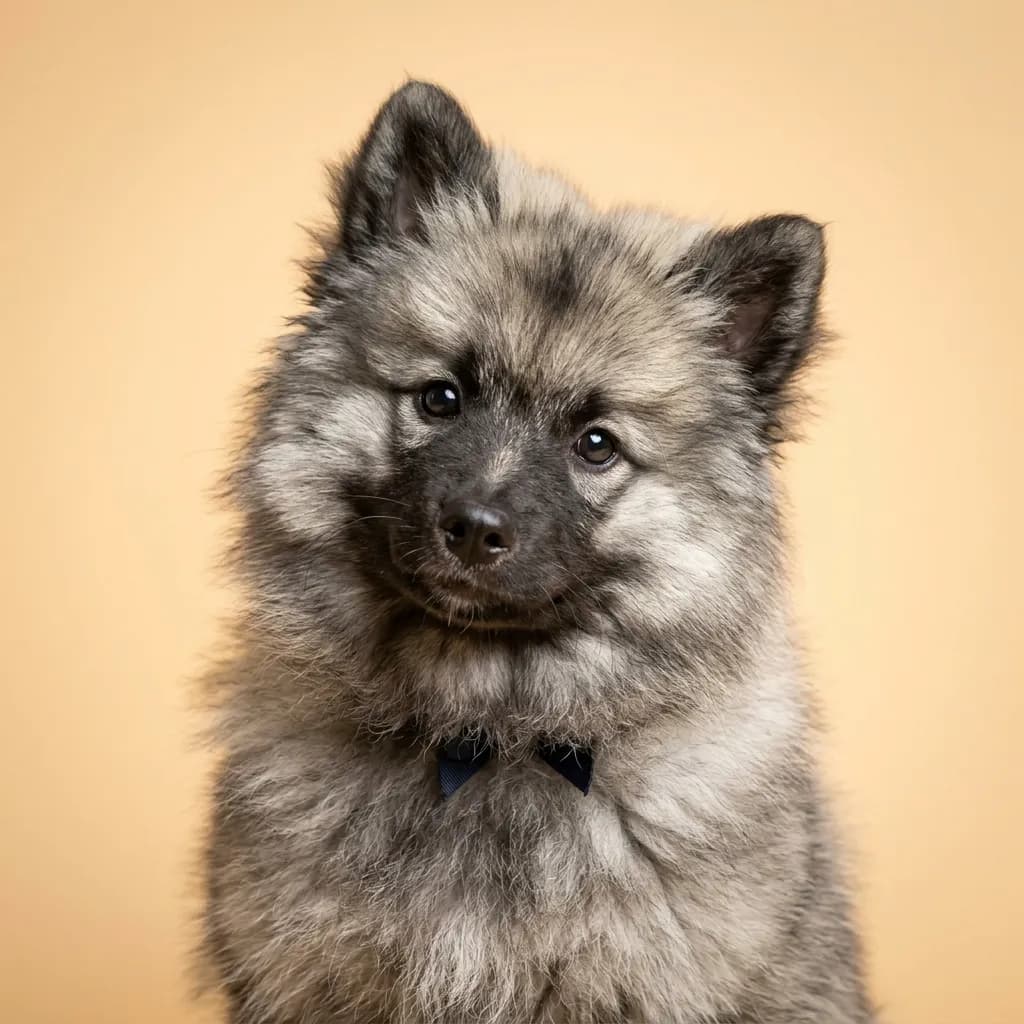
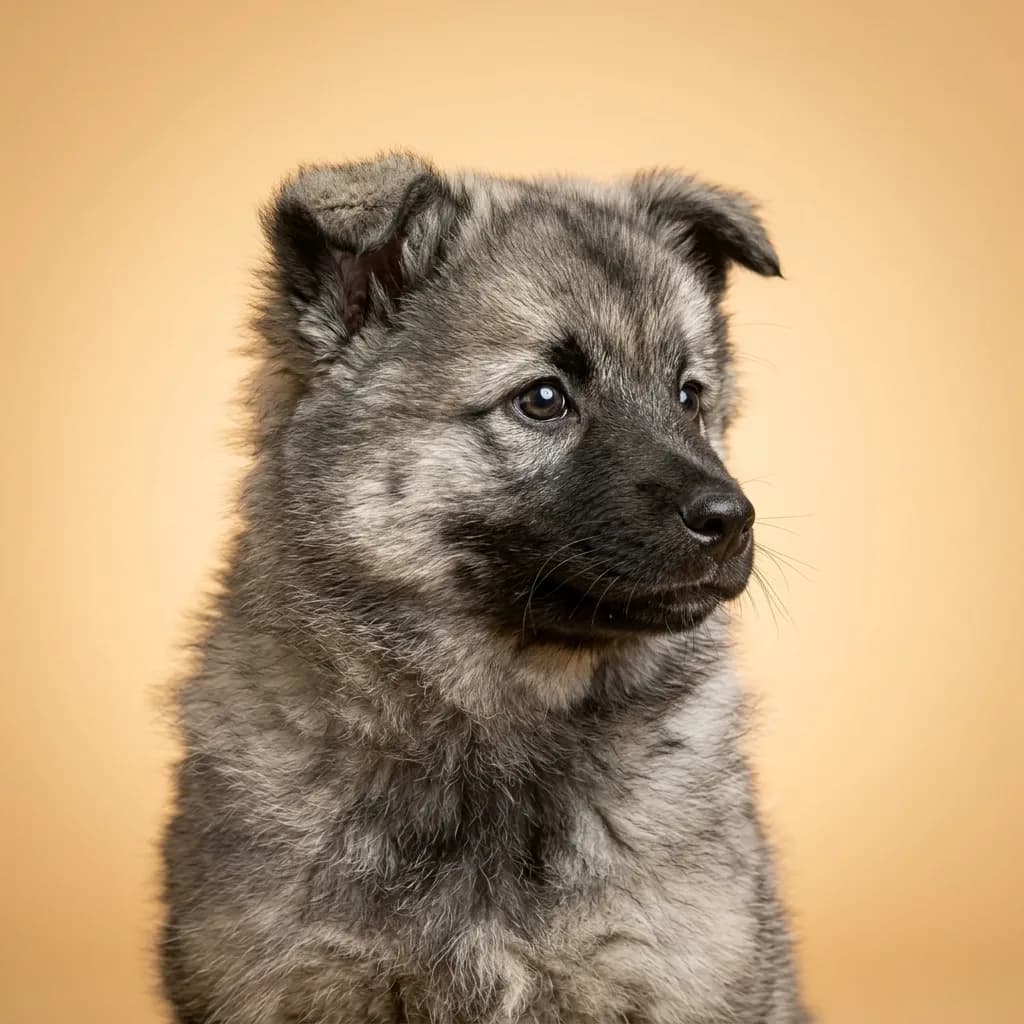
People compare Keeshonds and Norwegian Elkhounds because they look vaguely similar at a glance. fluffy, gray-coated, alert northern dogs. and both thrive in cold weather. But bring one into your life and you’ll quickly realize they’re built for very different jobs, and very different homes. The Keeshond is the ultimate friendly neighborhood greeter. Bred to live on Dutch barges, this 40-pound bundle of smiles thrives on connection. It’s happiest when the family’s around, ready to chat. yes, it barks, and yes, it’ll hold court at the window all day. It’s incredibly trainable, affectionate with kids, and adaptable to city or country, as long as you don’t mind weekly brushing and a dog that’s always on. If you want a dog that feels like a warm, chatty roommate who loves game night and never stops smiling, the Keeshond fits. The Elkhound, meanwhile, is a 50-plus-pound survivor built to trail elk through Scandinavian forests. It’s bold, independent, and wired for adventure. Sure, it loves its people, but it doesn’t need constant approval. It’s more reserved with kids, less eager to please, and will bark. not just at strangers, but at squirrels, thunder, and passing clouds. You’ll need to work for its cooperation, but in return, you get a loyal, rugged partner for hikes and harsh winters. Here’s the real difference: the Keeshond wants to be included in every decision; the Elkhound will look at you like you’re the one tagging along. If your life is structured and social, go Keeshond. If you’re an outdoors type who values grit over grin, the Elkhound’s your match. And one truth the data misses: both shed like snowstorms in spring. invest in a good vacuum.
Trait-by-trait
Higher bar = more of that trait. Shedding, barking, drooling, grooming flipped for readability.Where they diverge
Choose the Keeshond if…
- Families with children
- Active owners
- Cold climates
- You value good with young children — Keeshond scores noticeably higher.
Choose the Norwegian Elkhound if…
- Active families
- Cold climate dwellers
- Outdoor and hiking enthusiasts