Keeshond vs Russian Toy
Side-by-side comparison across all 14 AKC trait ratings, with a clear verdict on which breed fits which kind of household.

Not sure which breed fits your life?
Answer five questions about your home, your schedule, and your tolerance for shedding. We’ll match you to your top three breeds from over 200.
Keeshond vs Russian Toy
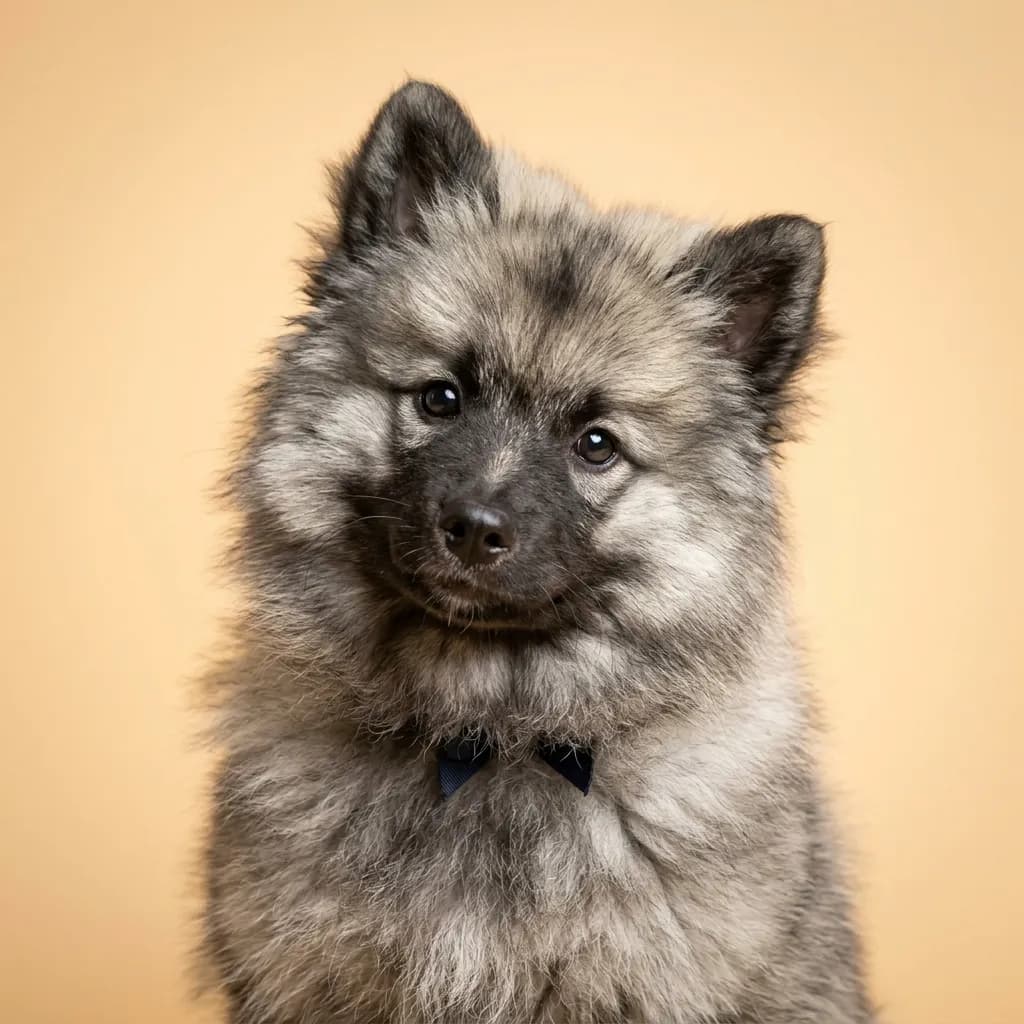
You don’t usually see a Keeshond and a Russian Toy in the same conversation unless someone’s deep in the weeds of obscure breed comparisons. maybe they’re charmed by fluffy faces and big ears. But the truth is, these two couldn’t be more different once you live with them. The Keeshond is your cheerful, medium-sized furball built for northern winters, with a ruff like a lion and a personality to match. outgoing, eager, and loud enough to alert the whole neighborhood at a passing leaf. The Russian Toy? Think delicate. Weighing barely more than a house cat, this tiny aristocrat from old Russian courts thrives on lap time and quiet admiration, not family soccer games. If you’ve got kids under 10 who run through the house like a tornado, the Keeshond will happily join the chaos. they’re built for families, scoring top marks for kid-friendliness. But that same energy and barking can wear thin in an apartment. The Russian Toy won’t handle the roughhousing; one misstep and you’re facing a risk of fractures or luxating kneecaps. They’re loyal to one or two people, not the whole household, and they’ll shadow you quietly. more silent film star than party guest. Here’s what the data won’t tell you: the Keeshond wants to be part of every decision you make, including what’s for dinner. They’re mentally sharp and need jobs, even if it’s just learning tricks. The Russian Toy is smart too, but they’re happy with short play sessions and a warm spot by the window. If you’re gone eight hours a day, the Keeshond might bark out of boredom; the Russian Toy could develop anxiety. both need company, but in different ways. Pick the Keeshond if you want a dog who feels like a family member. Pick the Russian Toy if you want a devoted, elegant shadow. and can protect them from the world’s rough edges.
Trait-by-trait
Higher bar = more of that trait. Shedding, barking, drooling, grooming flipped for readability.Where they diverge
Choose the Keeshond if…
- Families with children
- Active owners
- Cold climates
- You value good with young children — Keeshond scores noticeably higher.
Choose the Russian Toy if…
- Apartment living
- Seniors
- Owners wanting a devoted companion