Keeshond vs Schipperke
Side-by-side comparison across all 14 AKC trait ratings, with a clear verdict on which breed fits which kind of household.
Not sure which breed fits your life?
Answer five questions about your home, your schedule, and your tolerance for shedding. We’ll match you to your top three breeds from over 200.
Keeshond vs Schipperke
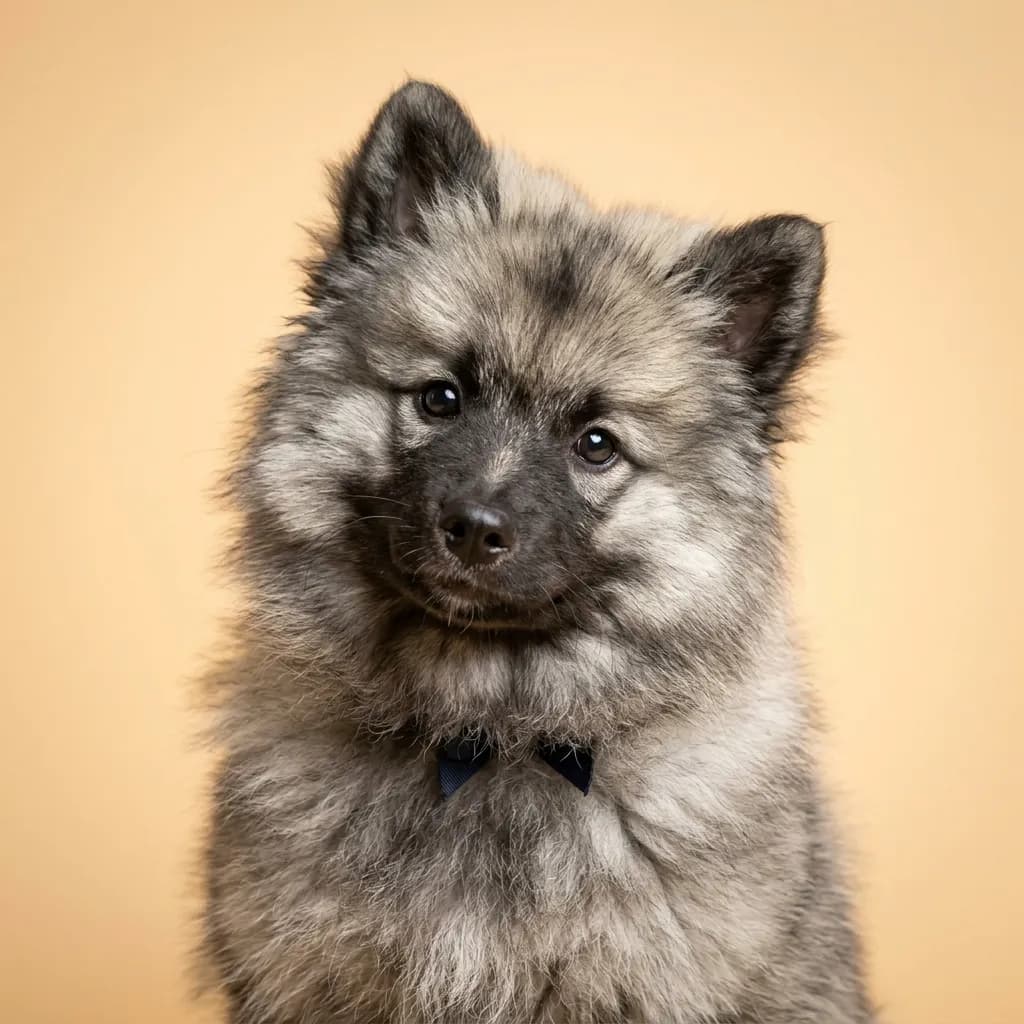
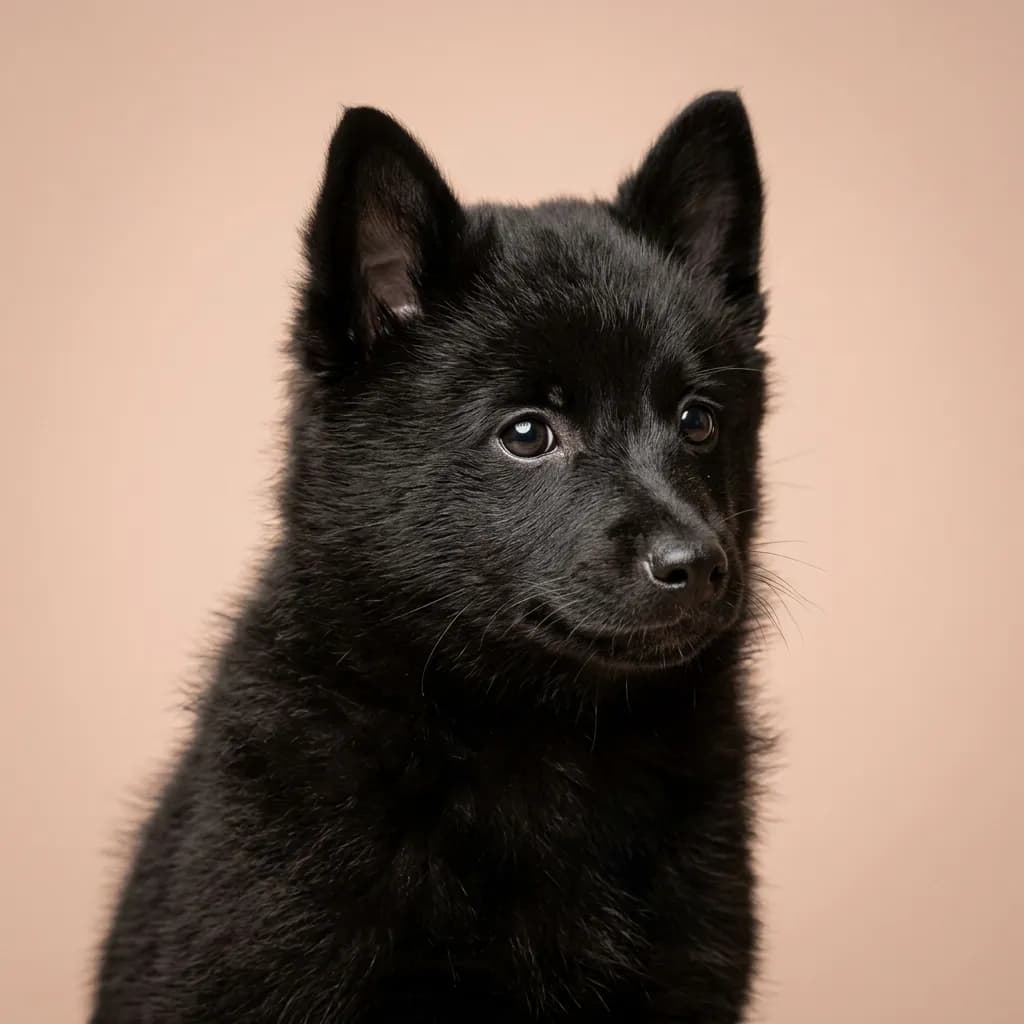
You’re probably comparing a Keeshond and a Schipperke because they both look like little black Velcro-suited foxes with curious eyes and plumed tails. They’ve got that same “sentinel of the waterways” vibe, bred to guard barges in Europe. Keeshond in Holland, Schipperke in Belgium. so the confusion makes sense. But living with one versus the other? That’s where the story splits. The Keeshond is your cheerful, 40-pound teddy bear with a built-in sweater. He’s outgoing with everyone, adores kids, and will happily join your family movie night after a brisk walk in the snow. He’s highly trainable, consistently affectionate, and thrives on routine and connection. But he barks. he’ll alert you to the mail carrier, the falling leaf, and his own reflection. And yes, he sheds. Not year-round carpet fluff, but expect brushing duty twice a week. The Schipperke, at half the size, is a compact bolt of quiet intensity. He’s bold, inquisitive, and will stare down a raccoon in your backyard. He bonds deeply with one or two people and can be wary of kids who move too fast or too loud. He’s independent, stubborn in training, and needs mental engagement even if he doesn’t always show it. But he’s fearless and surprisingly adaptable, thriving in a house with a yard where he can patrol. If you want a family dog who’s soft with children and fits neatly into a predictable routine, go Keeshond. If you want a bold little watchdog with a big-dog attitude in a small frame. and don’t mind some aloofness around guests. Schipperke could be your shadow. Here’s the real talk: both bark. But the Keeshond tells you everything’s happening. The Schipperke? He’s already investigating it. without asking.
Trait-by-trait
Higher bar = more of that trait. Shedding, barking, drooling, grooming flipped for readability.Where they diverge
Choose the Keeshond if…
- Families with children
- Active owners
- Cold climates
- You value good with young children — Keeshond scores noticeably higher.
Choose the Schipperke if…
- Active owners
- Those wanting a small but bold breed
- Suburban or rural settings