Kishu Ken vs Labrador Retriever
Side-by-side comparison across all 14 AKC trait ratings, with a clear verdict on which breed fits which kind of household.
Not sure which breed fits your life?
Answer five questions about your home, your schedule, and your tolerance for shedding. We’ll match you to your top three breeds from over 200.
Kishu Ken vs Labrador Retriever
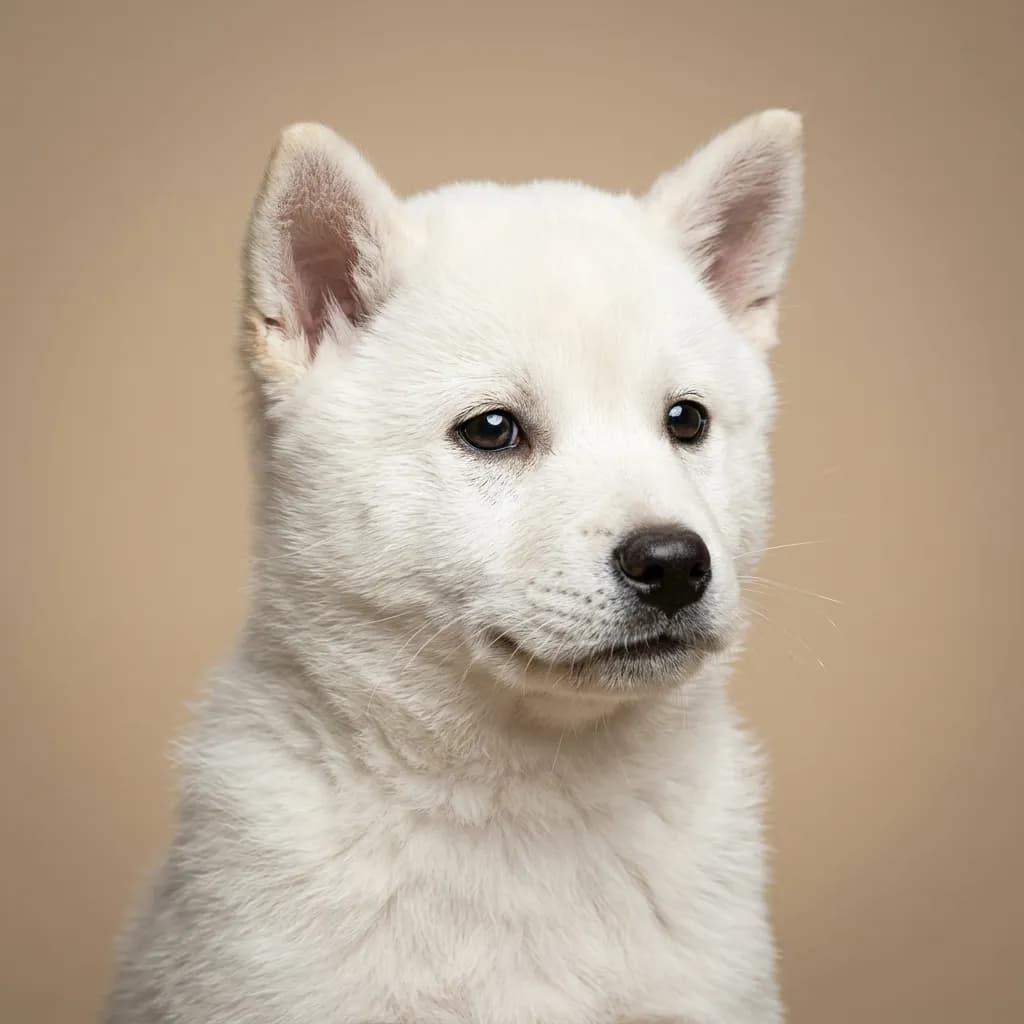
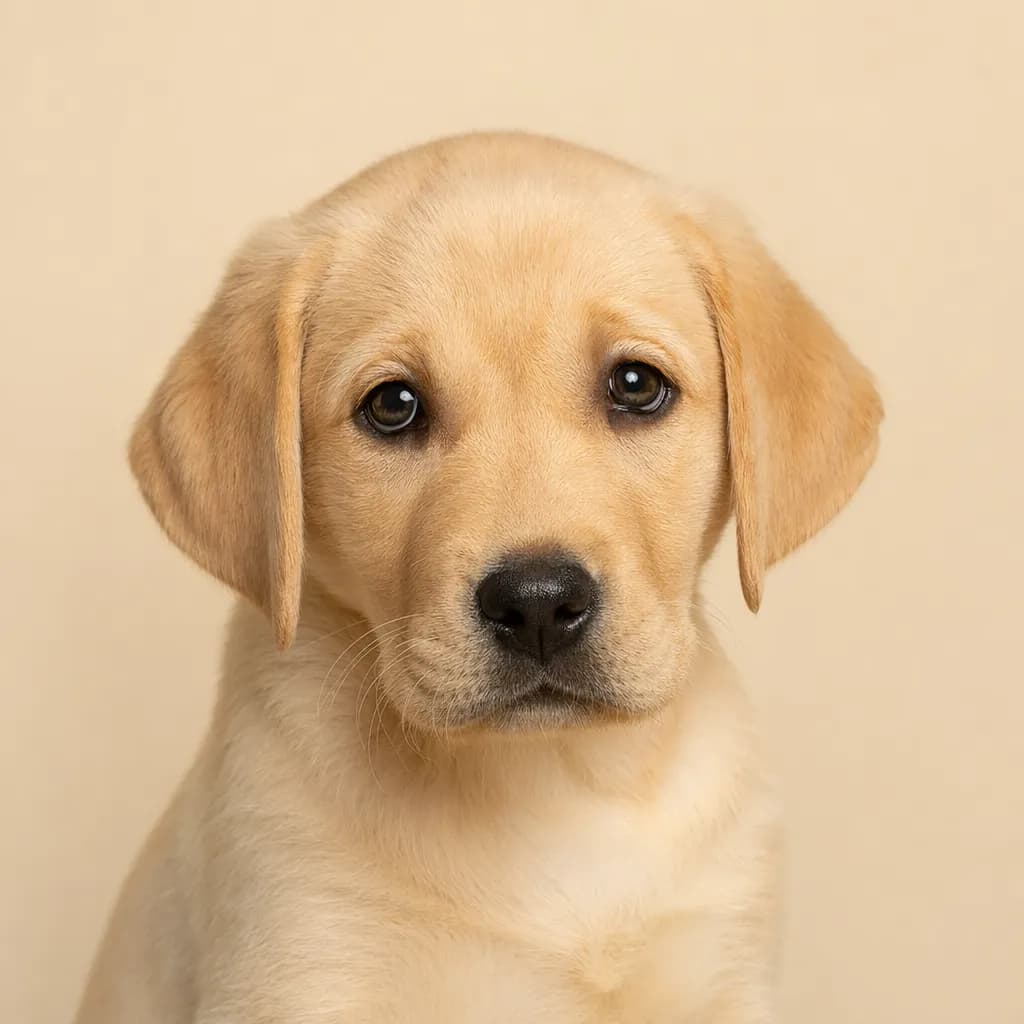
You probably wouldn’t think to compare a Kishu Ken and a Labrador Retriever until you’re deep in the dog research hole, staring at two very different paths. One’s a quiet hunter from rural Japan, the other’s America’s favorite family dog. But here you are, trying to decide between a reserved noble and an enthusiastic goofball. The Kishu Ken is not the dog you impulse-adopt. At 30 to 60 pounds, he’s lean, alert, and built for cold mountain terrain. He’s loyal to his people but doesn’t wear his heart on his sleeve. He won’t bark much, but he will stare down a squirrel like it’s personal. This breed thrives with experienced owners who understand that “docile” doesn’t mean “easy.” He’s independent, needs mental challenges, and can be cat-reactive. often in the “chase and catch” way. Apartment life? Forget it. He needs space, routine, and respect for his instincts. The Lab, meanwhile, is the golden retriever’s slightly more athletic cousin who never met a stranger. He’ll greet your kids, your mailman, and the raccoon in the trash with equal excitement. Labs are trainable, adaptable, and eager to please. perfect for first-time owners, therapy work, or active families. But that friendly energy comes with trade-offs: constant shedding, a tendency to overeat, and a need for real daily exercise. Here’s the real difference: the Kishu Ken wants to work with you on his terms. The Lab just wants to be with you, period. Choose the Kishu if you want a quiet, intelligent partner who’ll challenge you. Choose the Lab if you want a joyful, predictable companion who’ll love everyone. And know this. labs are popular for a reason, but the Kishu’s quiet loyalty, once earned, is something few dogs can match.
Trait-by-trait
Higher bar = more of that trait. Shedding, barking, drooling, grooming flipped for readability.Where they diverge
Choose the Kishu Ken if…
- Experienced dog owners
- Active owners
- Cold climates
Choose the Labrador Retriever if…
- Families with children
- First-time owners
- Active individuals
- You value adaptability — Labrador Retriever scores higher here.