Kishu Ken vs Norwegian Buhund
Side-by-side comparison across all 14 AKC trait ratings, with a clear verdict on which breed fits which kind of household.
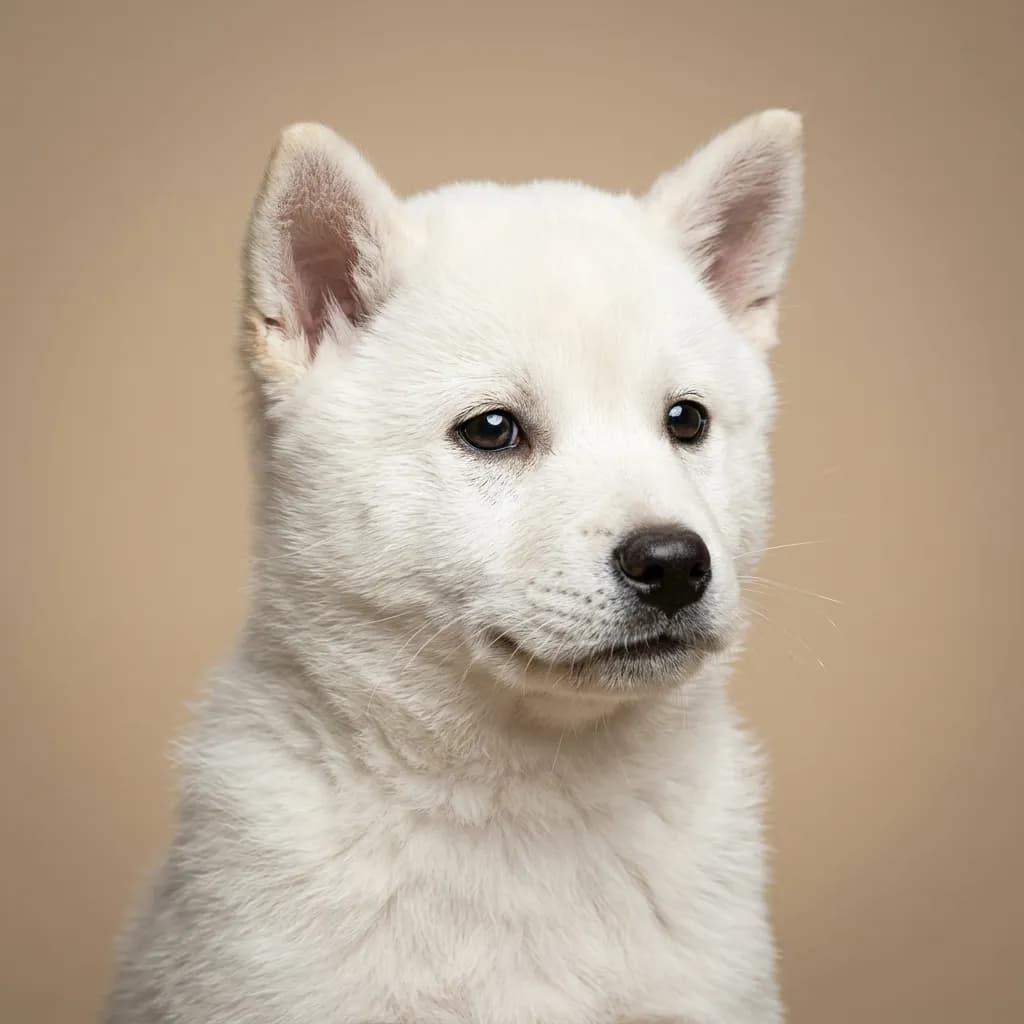
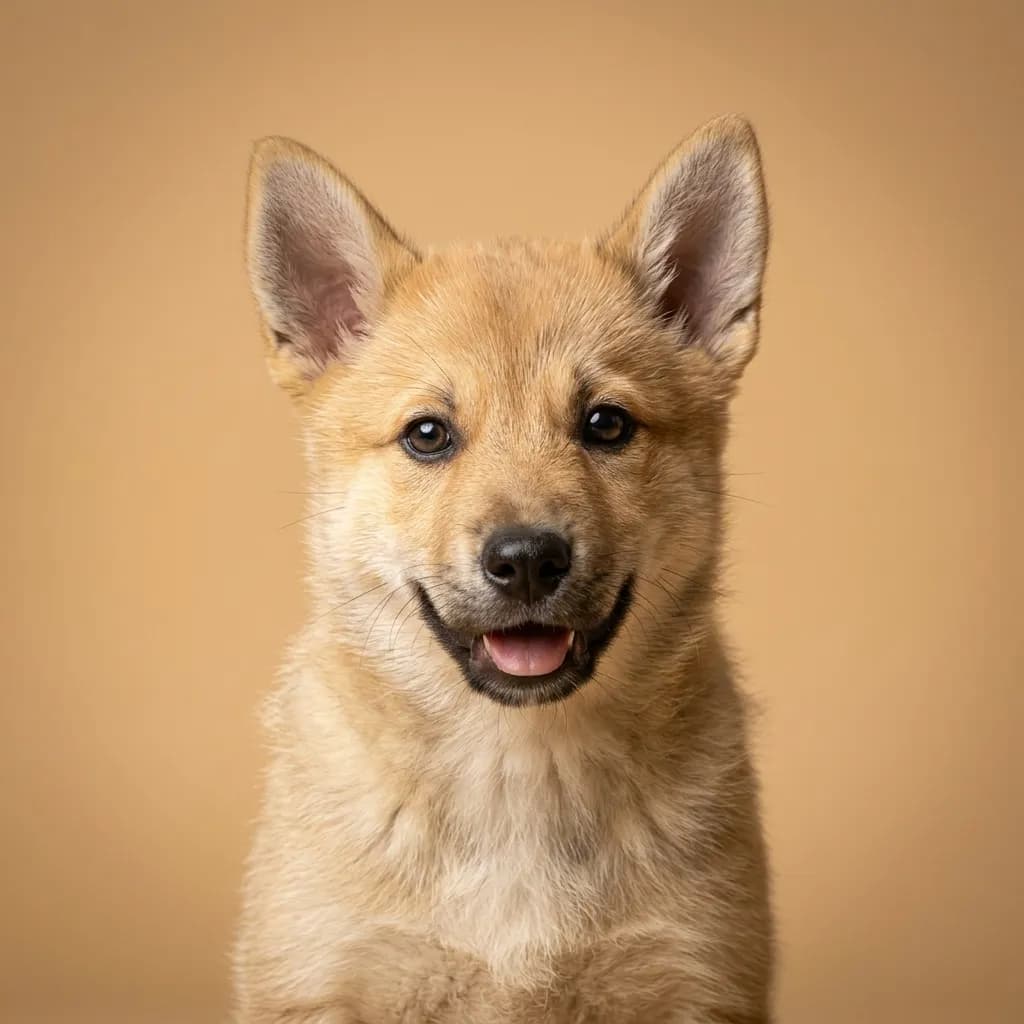
Not sure which breed fits your life?
Answer five questions about your home, your schedule, and your tolerance for shedding. We’ll match you to your top three breeds from over 200.
Kishu Ken vs Norwegian Buhund
People compare the Kishu Ken and Norwegian Buhund because they’re both rare, spitz-type breeds with fox-like faces and boundless spirit, but that’s where the similarity ends. If you’re drawn to one, you’re probably charmed by the idea of a loyal, alert working dog. someone who’s sharp, independent, and built for purpose. But which one fits your life? That’s where things get real. The Kishu Ken is a quiet ghost in a dog’s body. Bred to hunt boar in the mountains of Japan, this dog moves with precision and silence. It’s not loud or clingy. It bonds deeply with one or two people and watches the world with cool judgment. You won’t find a dog that’s more aware or self-contained. But don’t be fooled by its calm exterior. it’s not forgiving of mistakes, especially from inexperienced owners. It’s also less adaptable, needing space, routine, and a home without cats or squirrels in the yard. This isn’t a couch companion. It’s a sentinel. The Norwegian Buhund, on the other hand, wants to be your enthusiastic partner in everything. It barks at changes in the weather, learns tricks fast, and will herd your kids into the dining room at dinner time. It’s more affectionate, more adaptable, and actually enjoys apartment living if you keep it moving. It’s still high-energy and needs mental work. dog sports are a great fit. but it greets life with a wag and a smile. Here’s the truth beyond the data: the Kishu Ken respects competence. The Buhund gives love freely. but demands yours in return. Pick the Kishu if you value quiet dignity and can earn its trust. Pick the Buhund if you want a joyful, vocal teammate who treats every day like an adventure. One is a warrior poet. The other is your biggest fan.
Trait-by-trait
Higher bar = more of that trait. Shedding, barking, drooling, grooming flipped for readability.Where they diverge
Choose the Kishu Ken if…
- Experienced dog owners
- Active owners
- Cold climates
- You value good with strangers — Kishu Ken scores noticeably higher.
Choose the Norwegian Buhund if…
- Active families
- Cold climate dwellers
- Dog sport enthusiasts
- You value barking level — Norwegian Buhund scores higher here.