Kishu Ken vs Pekingese
Side-by-side comparison across all 14 AKC trait ratings, with a clear verdict on which breed fits which kind of household.
Not sure which breed fits your life?
Answer five questions about your home, your schedule, and your tolerance for shedding. We’ll match you to your top three breeds from over 200.
Kishu Ken vs Pekingese
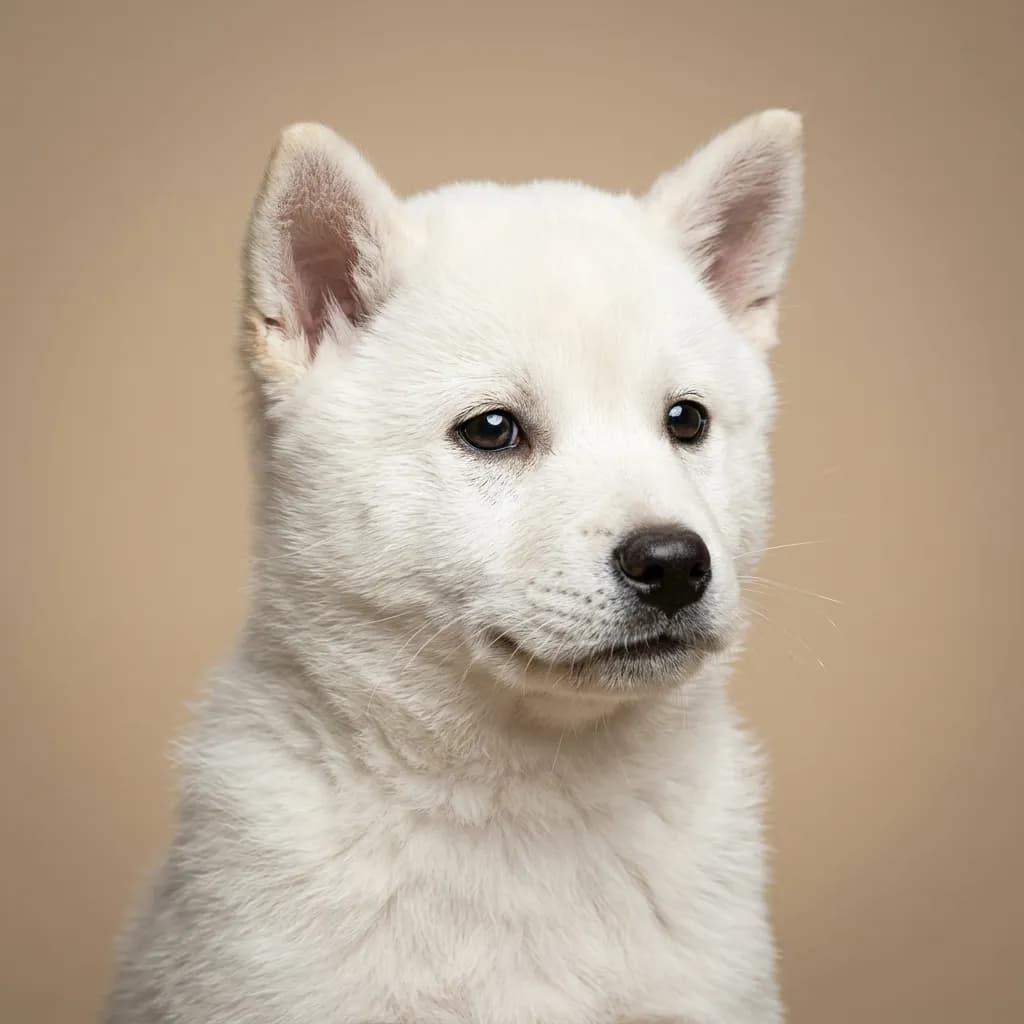
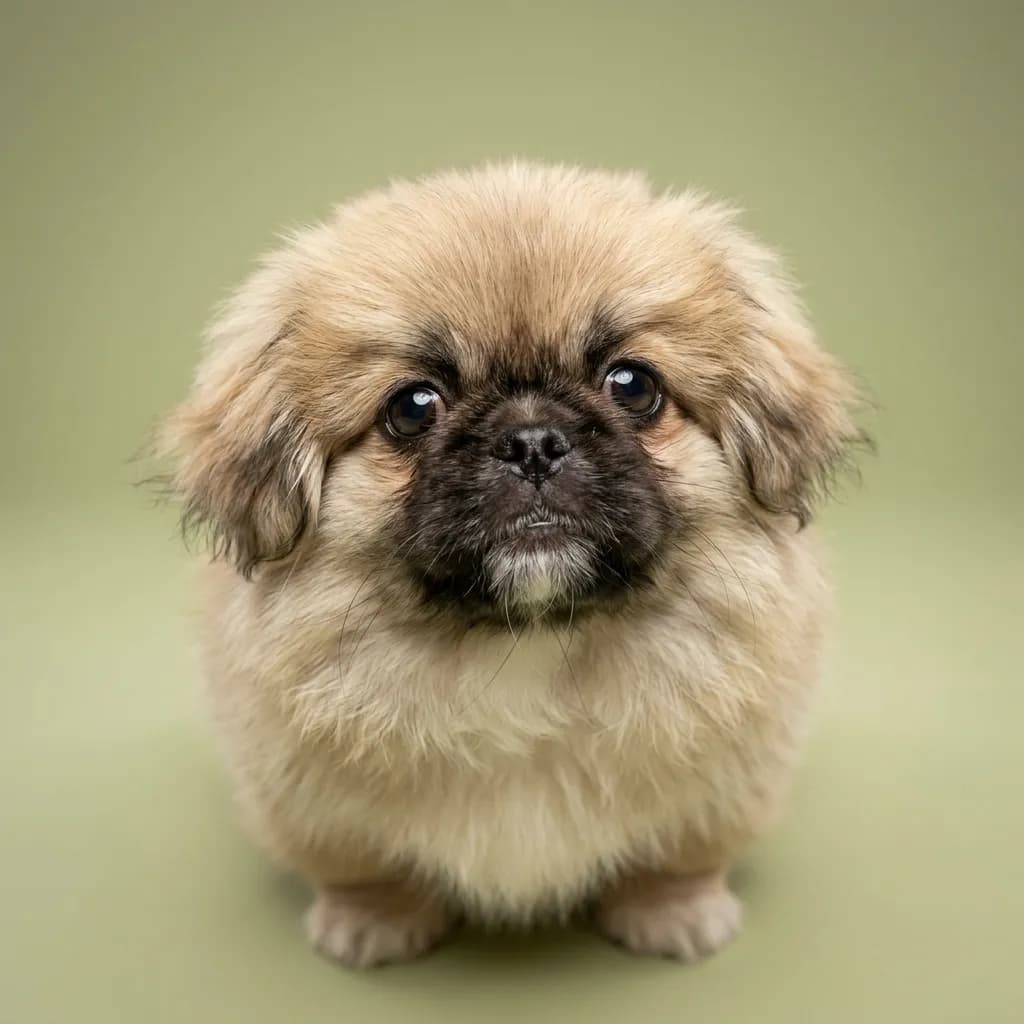
You wouldn’t think someone would compare a forest-prowling Japanese hunting dog to a lap-dwelling imperial lapdog from ancient China. yet here we are. Maybe it’s the shared aloofness, or the fact both have coats that need brushing twice a week. But scratch the surface and you’ve got two completely different animals living under similar fur. The Kishu Ken is a quiet, intense dog. Think of a mountain monk who happens to be built like a sprinting wolf. They were bred to track boar through rugged terrain, so they’re mentally sharp and physically tough. They’ll bond deeply with one or two people and tolerate the rest of the household. Good luck training them with force. they’re independent thinkers, not followers. You need space, cold weather, and the patience of someone who’s owned dogs before. They’re not for apartments, and absolutely not for homes with cats or rabbits. They might view your tabby as prey. The Pekingese is the opposite kind of quiet. This dog doesn’t need to run; it needs to recline. They’re regal, stubborn, and deeply affectionate. if on their terms. They thrive in small spaces, making them perfect for city dwellers or seniors. But don’t be fooled by their stillness. Their flat faces mean breathing struggles in heat, and their spines are prone to collapse if they jump wrong. They’re not for families with rambunctious kids who might trip over them or squeeze too hard. Here’s the real insight: both breeds are loyal, but loyalty looks completely different here. The Kishu follows you like a shadow because it’s assessing the environment. The Pekingese follows you because the couch is moving. Pick the Kishu if you want a partner in solitude. Pick the Pekingese if you want a tiny, velvety emperor who tolerates your existence.
Trait-by-trait
Higher bar = more of that trait. Shedding, barking, drooling, grooming flipped for readability.Where they diverge
Choose the Kishu Ken if…
- Experienced dog owners
- Active owners
- Cold climates
- You value good with strangers — Kishu Ken scores noticeably higher.
Choose the Pekingese if…
- Apartment living
- Seniors
- Singles or couples
- You value affectionate w/ family — Pekingese scores higher here.