Kishu Ken vs Russian Toy
Side-by-side comparison across all 14 AKC trait ratings, with a clear verdict on which breed fits which kind of household.

Not sure which breed fits your life?
Answer five questions about your home, your schedule, and your tolerance for shedding. We’ll match you to your top three breeds from over 200.
Kishu Ken vs Russian Toy
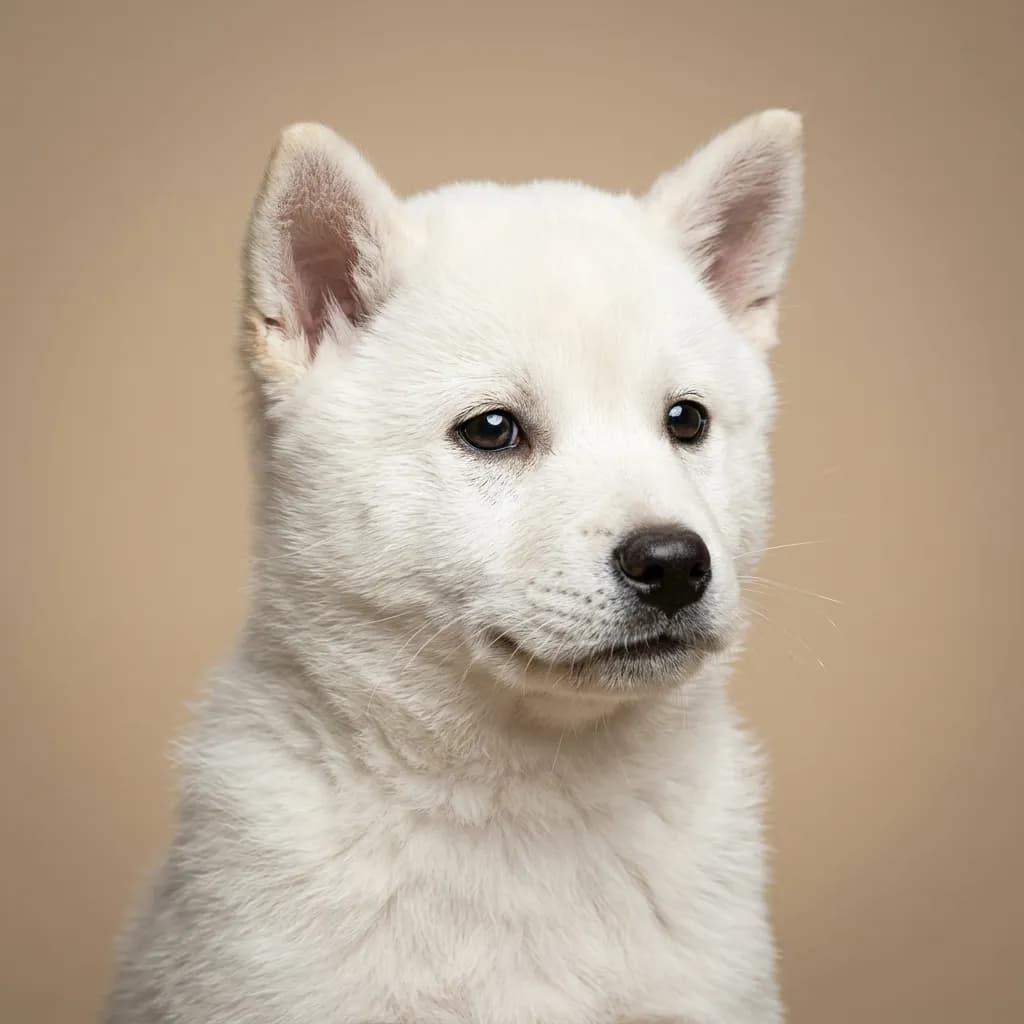
You don’t see many people torn between a Kishu Ken and a Russian Toy, but when you do, it’s usually someone drawn to rare breeds with big personalities and old-world roots. Both are spitz-types in looks only, really. one hails from Japanese mountain villages, the other from 18th-century Russian ballrooms. The truth is, they’re about as alike as a samurai and a court jester. The Kishu Ken is serious business. He’s 50 pounds of quiet intensity, bred to track boar through dense forests. He’s not aloof, but he’s selective. deeply loyal to his person, wary of strangers, and likely to bolt after squirrels or cats if given the chance. He needs space, cold weather, and an owner who respects his independence. Training works best with patience and consistency, not force. You’ll love his cleanliness and quiet nature. Kishus barely bark. but don’t expect a cuddle bug on demand. Flip the script with the Russian Toy. This 6.5-pound wisp lives to be adored. He’s all-in on affection, following you from room to room like a feathered shadow. He’s clever and eager to please, thriving on praise and mental engagement. But he’s also a chatterbox. expect barking at doorbells, shadows, and passing thoughts. He fits in a purse or a studio apartment, but his tiny bones mean he’s fragile. Kids under 10 can accidentally hurt him. And yes, he’ll need sweaters in winter. Here’s the real talk: both cost $1,000 to $3,500 and come with health watchlists. But the deeper insight? The Kishu Ken is a working partner who tolerates your presence. The Russian Toy is a living heirloom who needs constant emotional access to you. Pick based on whether you want a stoic companion or a drama-filled lapdog. One guards your land. The other guards your heart. while reminding you he exists.
Trait-by-trait
Higher bar = more of that trait. Shedding, barking, drooling, grooming flipped for readability.Where they diverge
Choose the Kishu Ken if…
- Experienced dog owners
- Active owners
- Cold climates
- You value good with strangers — Kishu Ken scores noticeably higher.
Choose the Russian Toy if…
- Apartment living
- Seniors
- Owners wanting a devoted companion
- You value barking level — Russian Toy scores higher here.