Kishu Ken vs Russian Tsvetnaya Bolonka
Side-by-side comparison across all 14 AKC trait ratings, with a clear verdict on which breed fits which kind of household.
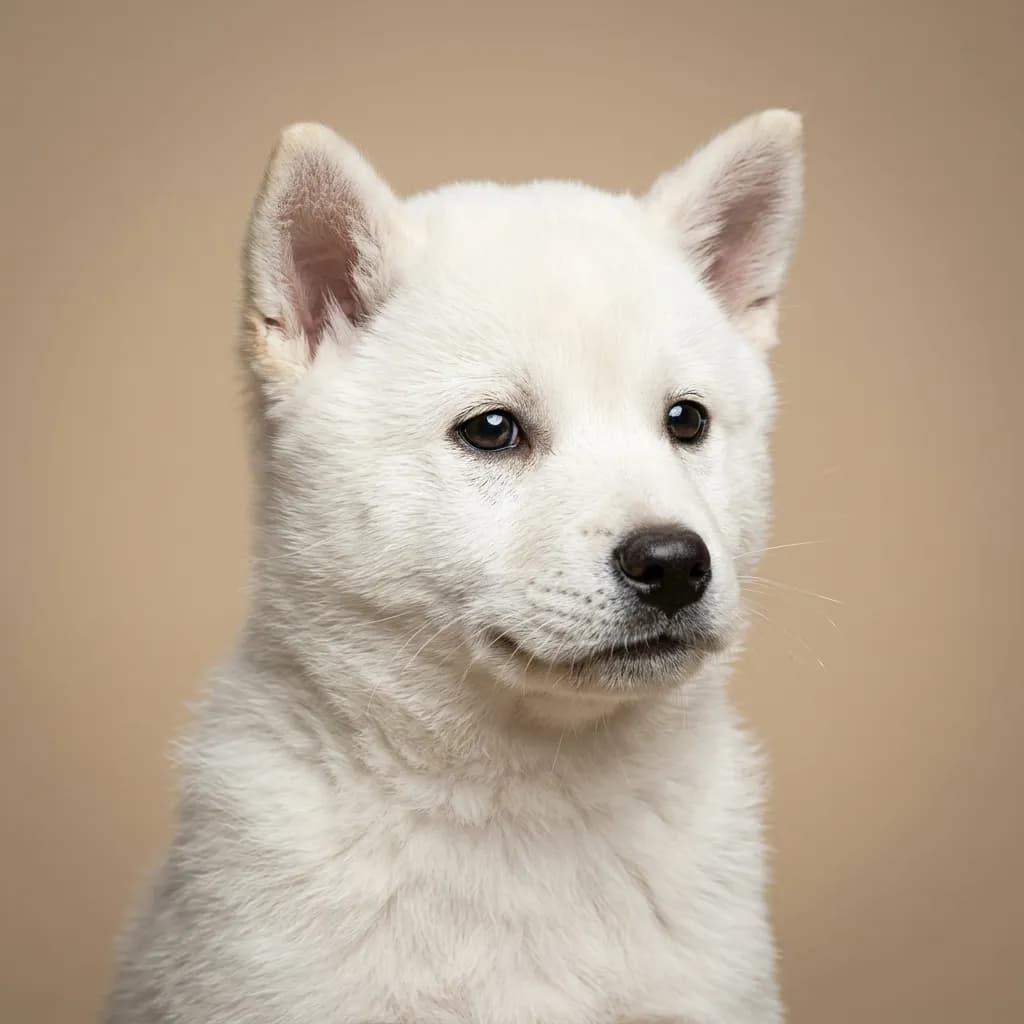
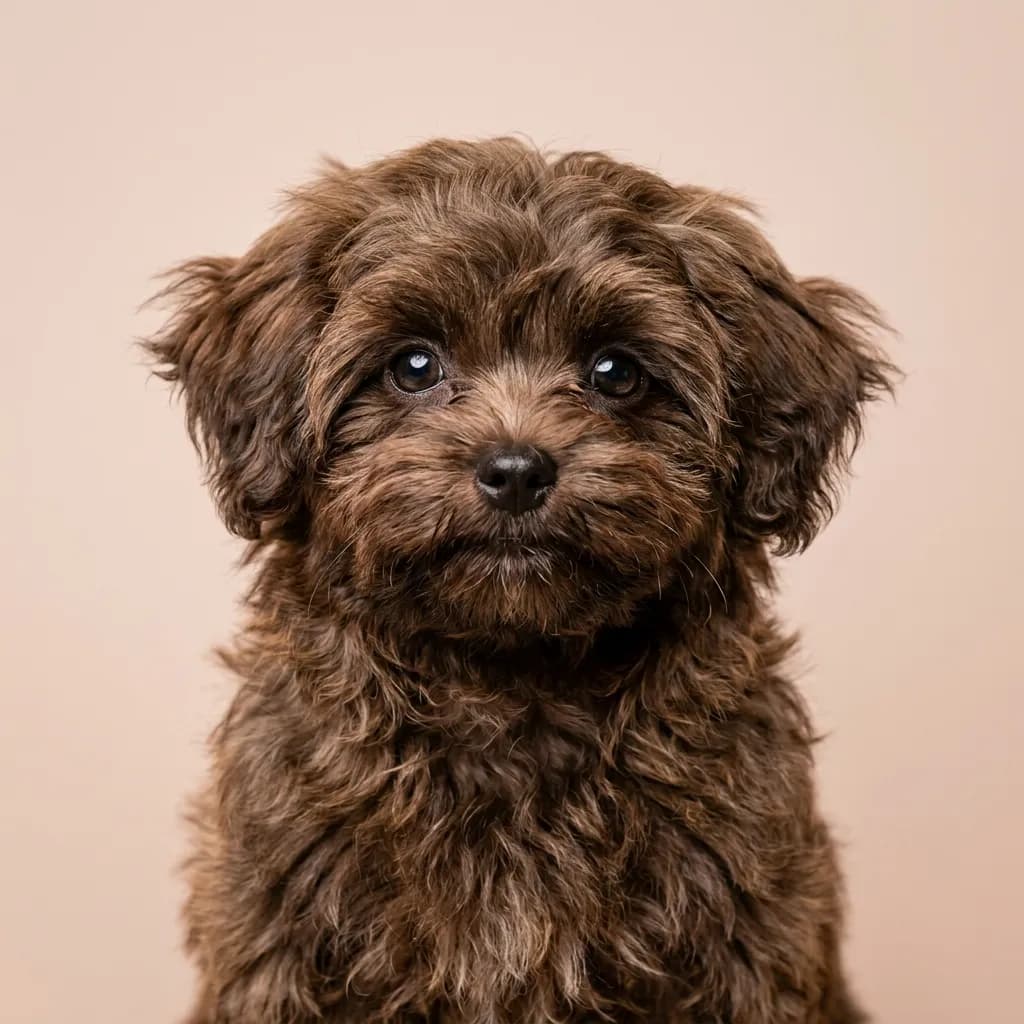
Not sure which breed fits your life?
Answer five questions about your home, your schedule, and your tolerance for shedding. We’ll match you to your top three breeds from over 200.
Kishu Ken vs Russian Tsvetnaya Bolonka
You’re not going to see a Kishu Ken and a Russian Tsvetnaya Bolonka side by side at the dog park. unless you’re in some alternate universe where mountain hunters nap next to tiny lapdogs in pom-pom haircuts. But here we are, comparing them, probably because you’re caught between wanting a loyal guardian and a cuddly shadow. Let’s cut through the fluff. The Kishu Ken is a quiet storm. Bred to track boar in the Japanese mountains, this dog is independent, sharp-minded, and deeply reserved. It won’t bark much, but it watches everything. You’ll need space, routine, and experience. this isn’t a dog that forgives clueless handling. It’s not hostile, but it’s not eager to please. Training is a negotiation, not a command. And if you have a cat or rabbit? Good luck. That prey drive runs deep. Now, picture the Bolonka: a fluffy 10-pound charmer bred to thrive in Soviet apartments. It’s affectionate to a fault, thrives on human contact, and adapts to city life like it invented it. But don’t mistake its size for low maintenance. That silky coat needs daily care, and it will bark at the toaster. It’s not a hunter. it’s a companion, through and through. Leave it alone too long and it’ll develop separation anxiety. Here’s the real difference: the Kishu Ken respects you; the Bolonka adores you. Pick the Kishu if you want a stoic partner who’ll hike with you and guard the homestead. Pick the Bolonka if you want a portable, social little drama queen who lives for cuddles. And the insight no breeder will lead with? The Bolonka’s cheerful nature hides fragility. its teeth are tiny and prone to rot, so dental care isn’t optional. And the Kishu’s silence? It’s not calmness. It’s calculation. Know what kind of relationship you’re signing up for.
Trait-by-trait
Higher bar = more of that trait. Shedding, barking, drooling, grooming flipped for readability.Where they diverge
Choose the Kishu Ken if…
- Experienced dog owners
- Active owners
- Cold climates
- You value shedding level — Kishu Ken scores noticeably higher.
Choose the Russian Tsvetnaya Bolonka if…
- Apartment living
- Seniors
- Families with gentle children
- You value adaptability — Russian Tsvetnaya Bolonka scores higher here.