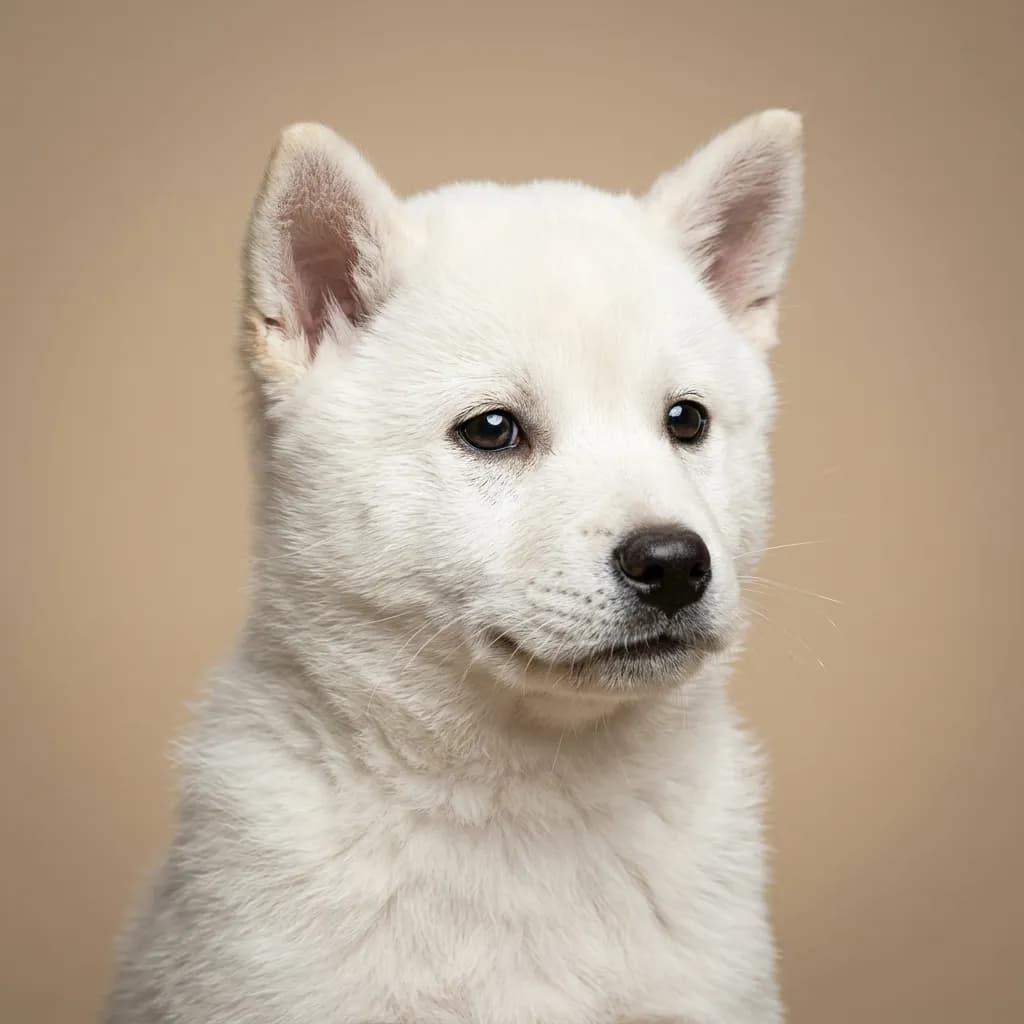
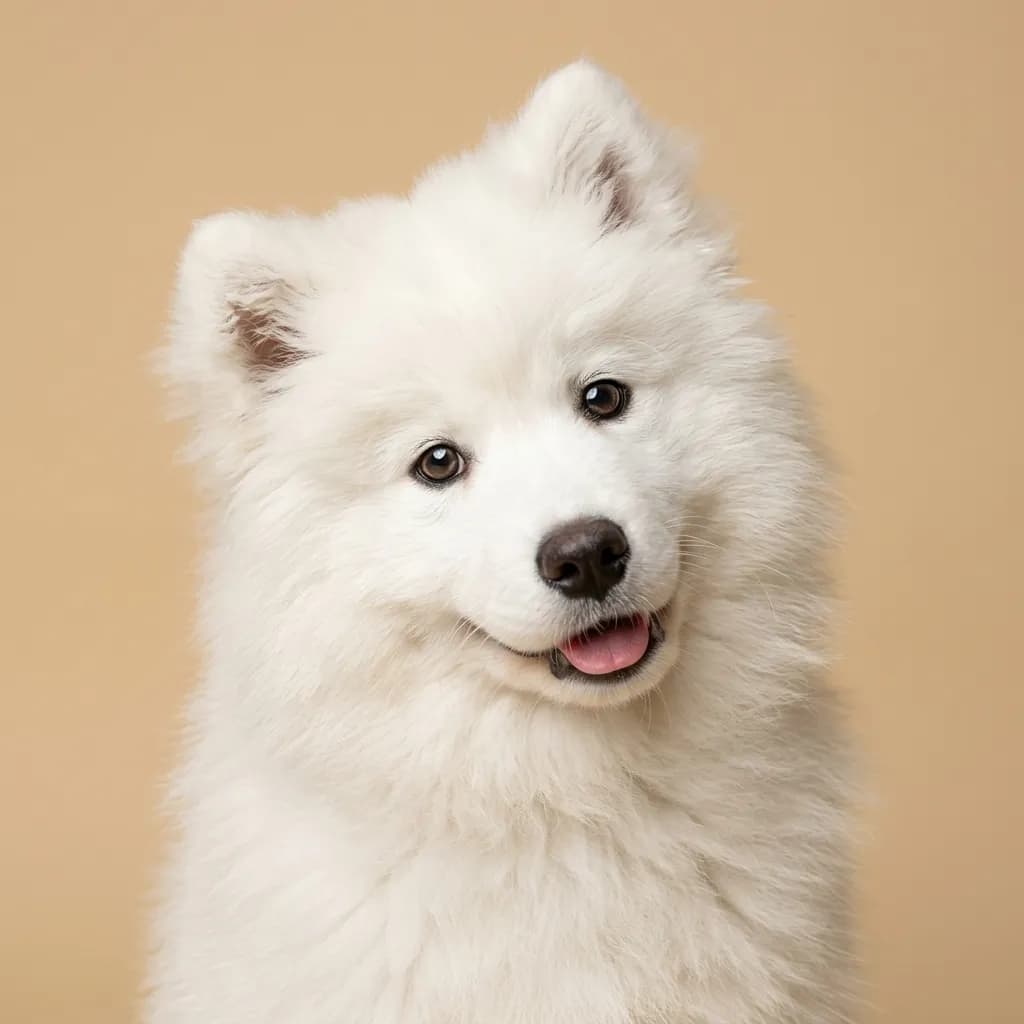
Kishu Ken vs Samoyed
Side-by-side comparison across all 14 AKC trait ratings, with a clear verdict on which breed fits which kind of household.
Not sure which breed fits your life?
Answer five questions about your home, your schedule, and your tolerance for shedding. We’ll match you to your top three breeds from over 200.
Kishu Ken vs Samoyed
You don’t see Kishu Kens and Samoyeds in the same ring often, but people compare them when they’re after a striking, white(ish), medium-to-large dog that thrives in cold weather and has a strong will. Both are spitz types, both have that fox-like alertness, and both demand respect for their heritage. But that’s where the similarities frost over. The Samoyed is the people person, the perpetual greeter with a grin that could melt an iceberg. They’re bred to work closely with humans, and it shows. You’ll find them in suburbs, dog parks, even therapy work. They want to be part of everything, love kids deeply, and will follow you from room to room just to be near. But that sociability comes with noise. they bark at mail carriers, squirrels, and their own shadow. and they shed year-round, with full-on blowouts twice a year. If you’re not brushing every other day, you’ll be swimming in fur. The Kishu Ken? They’re the opposite. Reserved, even aloof, with a loyalty that’s earned, not given. They’re hunters at heart, bred to stalk wild boar solo in mountainous terrain, so they’re independent thinkers. That means they won’t fetch your slippers or charm your in-laws. But if you’re an experienced owner who values quiet intensity over constant affection, they’re golden. They don’t bark much, but they’re hyper-aware and can be cat-reactive or worse. don’t trust them off-leash around small animals. Here’s the real insight: the Samoyed looks like a fluffy companion but needs a job. The Kishu Ken looks like a stoic warrior but craves quiet consistency. Pick the Samoyed if you want a family mascot who’ll join every adventure and tolerate your schedule. Pick the Kishu if you’re ready for a dog that respects you like a partner, not a puppet. And either way, budget for cold-weather gear and hip screenings.
Trait-by-trait
Higher bar = more of that trait. Shedding, barking, drooling, grooming flipped for readability.Where they diverge
Choose the Kishu Ken if…
- Experienced dog owners
- Active owners
- Cold climates
Choose the Samoyed if…
- Active families
- Cold climate households
- Dog sports enthusiasts
- You value barking level — Samoyed scores higher here.