Kishu Ken vs Schapendoes
Side-by-side comparison across all 14 AKC trait ratings, with a clear verdict on which breed fits which kind of household.
Not sure which breed fits your life?
Answer five questions about your home, your schedule, and your tolerance for shedding. We’ll match you to your top three breeds from over 200.
Kishu Ken vs Schapendoes
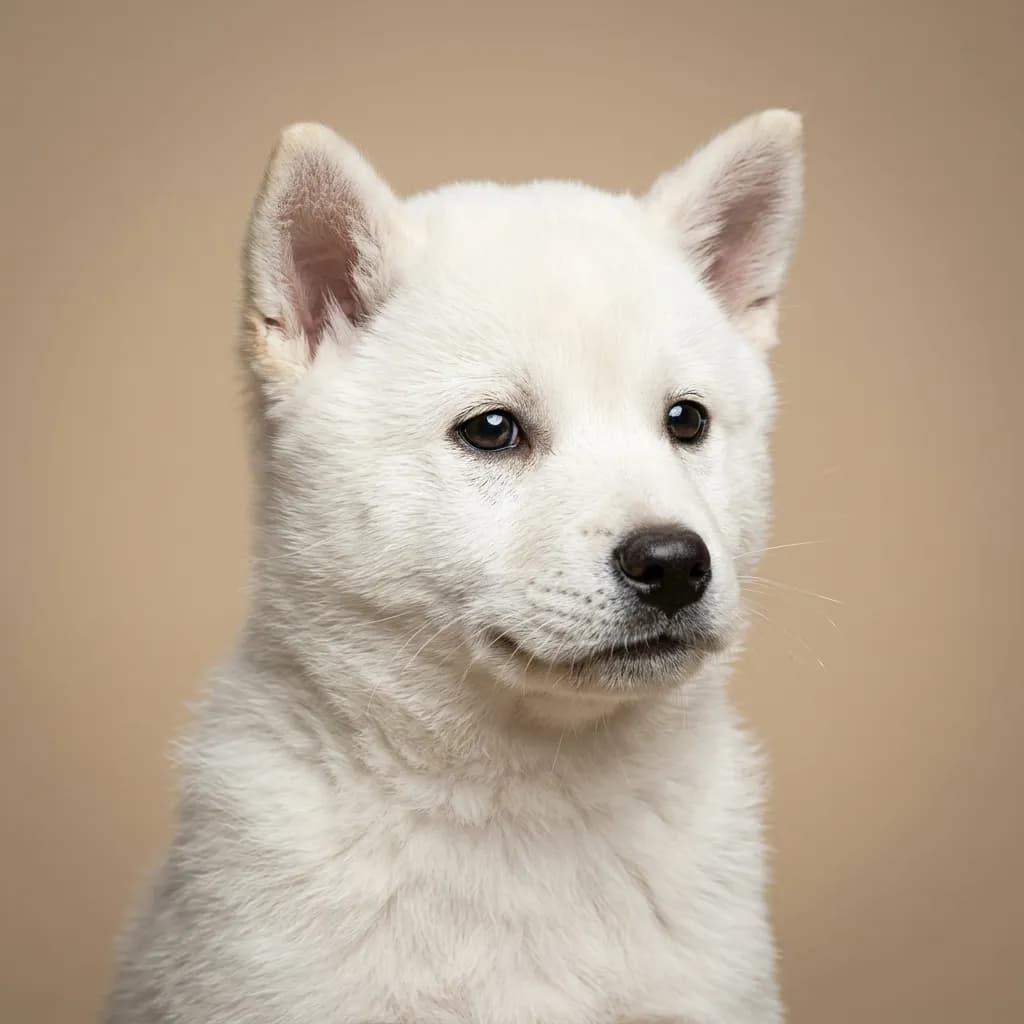
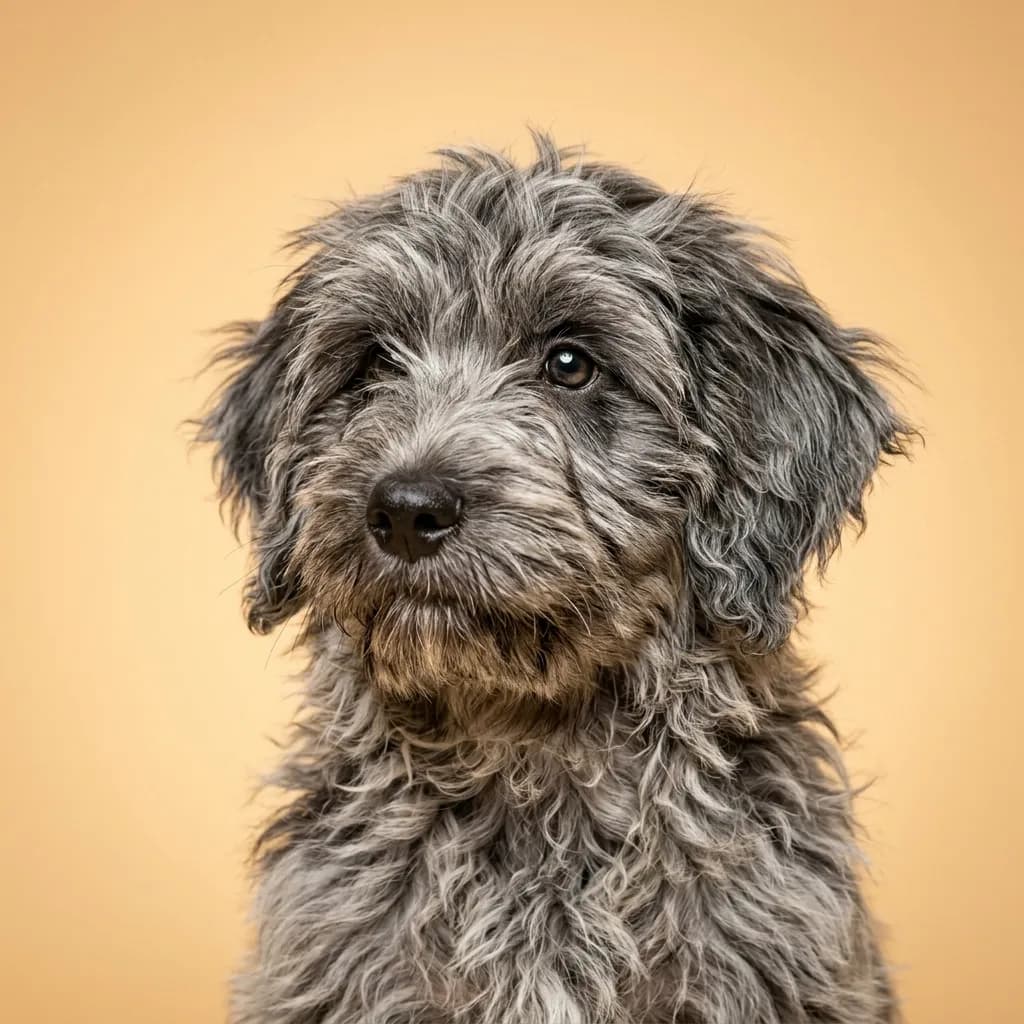
You don’t see a Kishu Ken and a Schapendoes side by side at dog parks. these breeds don’t exactly cross paths often. But if you’re digging deep into rare, active breeds with thick coats and strong wills, you might find yourself comparing these two. They’re both agile, intelligent, and rooted in rural work, but that’s where the similarity ends. The Kishu Ken is a quiet ghost in the woods. Bred to hunt boar in the mountains of Japan, it’s reserved, clean in the house, and deeply loyal to one or two people. It won’t bark much, but it will watch. And if it sees something it doesn’t like. a squirrel, a cat, a passing rabbit. it might decide to act without asking. You need time, space, and consistency with a Kishu. They don’t adapt well to apartment life or chaotic homes, and they won’t tolerate small pets. They’re not aloof, but their affection is earned, not given. The Schapendoes, on the other hand, is a joyful tornado with a beard full of burrs. This Dutch sheepdog lives to move, play, and please. It’s eager to learn, thrives in dog sports, and bonds with the whole family. It barks more, sheds less than you’d think for a fluffy dog, and actually enjoys city walks. though it needs serious daily exercise. It’s adaptable in spirit, if not in space. Here’s the real difference: the Kishu Ken respects you like a student respects a sensei. The Schapendoes loves you like a teammate. If you want a dog that’s always working with you, training comes naturally. go Schapendoes. If you want a silent partner who moves like a shadow and guards your peace, you’ll need the patience for a Kishu. And one truth the breed standards won’t tell you: both need a job. A bored Schapendoes turns your garden into a dig site. A restless Kishu might slip a leash chasing deer. Neither forgives inattention.
Trait-by-trait
Higher bar = more of that trait. Shedding, barking, drooling, grooming flipped for readability.Where they diverge
Choose the Kishu Ken if…
- Experienced dog owners
- Active owners
- Cold climates
- You value good with strangers — Kishu Ken scores noticeably higher.
Choose the Schapendoes if…
- active families
- agility and herding sport enthusiasts
- experienced herding breed owners
- You value affectionate w/ family — Schapendoes scores higher here.