Kishu Ken vs Shiba Inu
Side-by-side comparison across all 14 AKC trait ratings, with a clear verdict on which breed fits which kind of household.
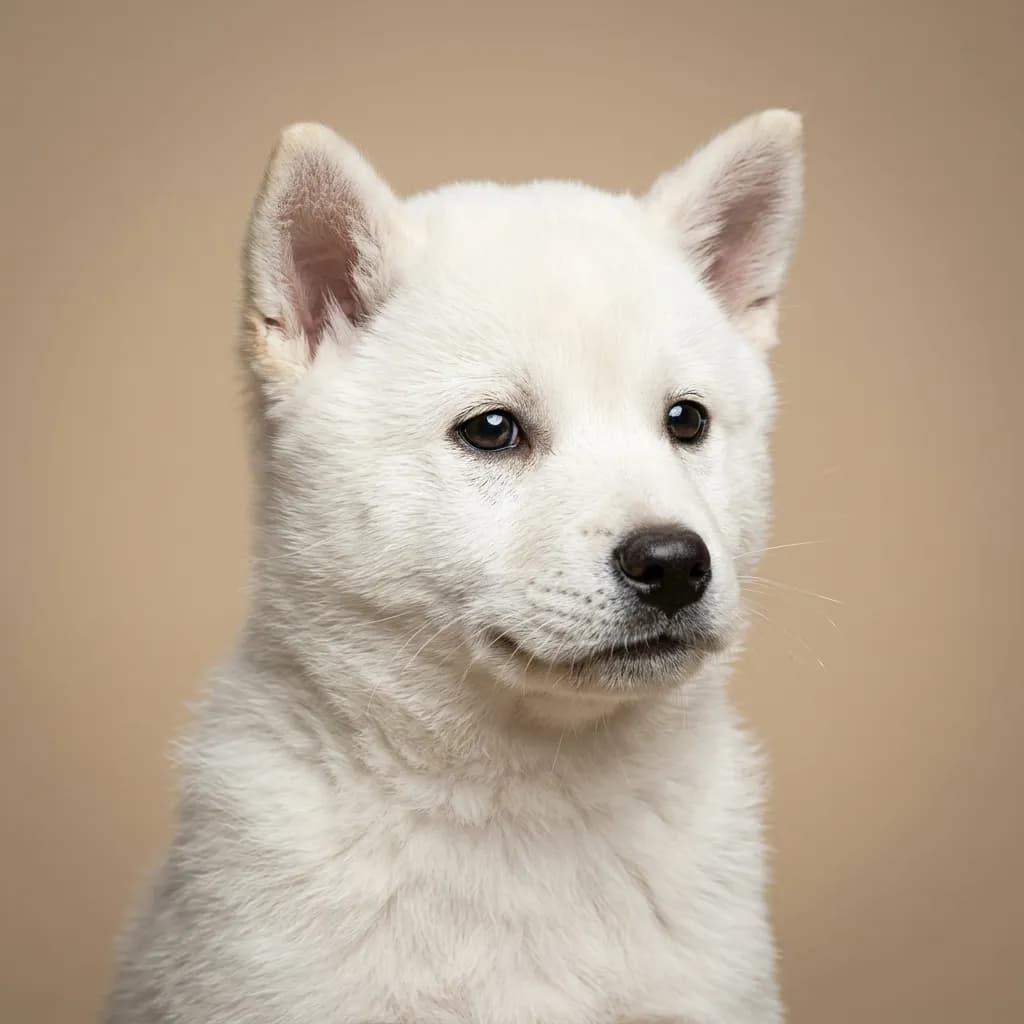
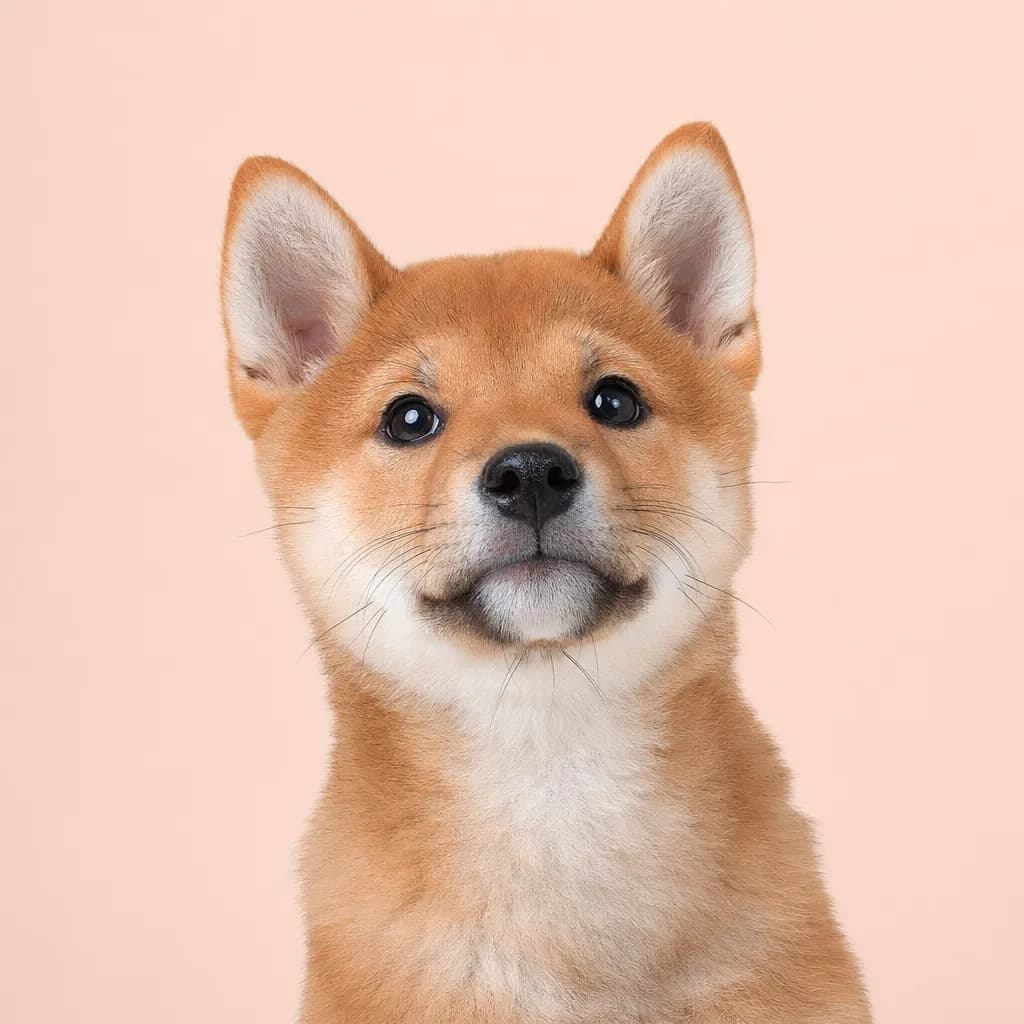
Not sure which breed fits your life?
Answer five questions about your home, your schedule, and your tolerance for shedding. We’ll match you to your top three breeds from over 200.
Kishu Ken vs Shiba Inu
People compare Kishu Kens and Shiba Inus because they’re both striking, ancient Japanese breeds with that classic fox-like look and independent streak. But if you’re choosing between them, you’re not just picking a dog. you’re picking a lifestyle. The Shiba is the city-savvy, cat-adjacent companion who’ll curl up on your lap after a zoomie session. They’re bold, observant, and surprisingly affectionate with their people. You’ll pay more for a Shiba, often over $3,000 from a reputable breeder, and you’ll deal with the seasonal “Shedda Inu” phase twice a year. They adapt okay to apartments if you’re consistent with walks and mental games, but their trainability is low for a reason. they’ll weigh your command against their interest and often choose naptime. The Kishu Ken is the quiet hunter from the mountains. Bred to trail boar and deer in silence, they’re reserved, less vocal, and deeply loyal in a dignified way. They’re bigger. often double the weight of a Shiba. and need space, ideally a rural home with a job or a solid hiking routine. They won’t adapt well to chaotic households or small apartments. First-time owners? Neither breed is ideal, but the Kishu’s lower adaptability score isn’t just a number. it means they notice every change, every stranger, every shift in routine. Here’s the real difference most people miss: Shiba Inus want to share your life on their terms. Kishu Kens want to be your partner in purpose. If you’re looking for a dog that feels like a roommate with attitude, go Shiba. If you want a noble, watchful companion who thrives when you give them mission and space, the Kishu Ken might be your match. Just don’t expect either to come when called. unless they decide to.
Trait-by-trait
Higher bar = more of that trait. Shedding, barking, drooling, grooming flipped for readability.Where they diverge
Choose the Kishu Ken if…
- Experienced dog owners
- Active owners
- Cold climates
- You value good with strangers — Kishu Ken scores noticeably higher.
Choose the Shiba Inu if…
- Experienced dog owners
- Those wanting a cat-like independence
- Active owners
- You value affectionate w/ family — Shiba Inu scores higher here.