Kishu Ken vs Smooth Fox Terrier
Side-by-side comparison across all 14 AKC trait ratings, with a clear verdict on which breed fits which kind of household.
Not sure which breed fits your life?
Answer five questions about your home, your schedule, and your tolerance for shedding. We’ll match you to your top three breeds from over 200.
Kishu Ken vs Smooth Fox Terrier
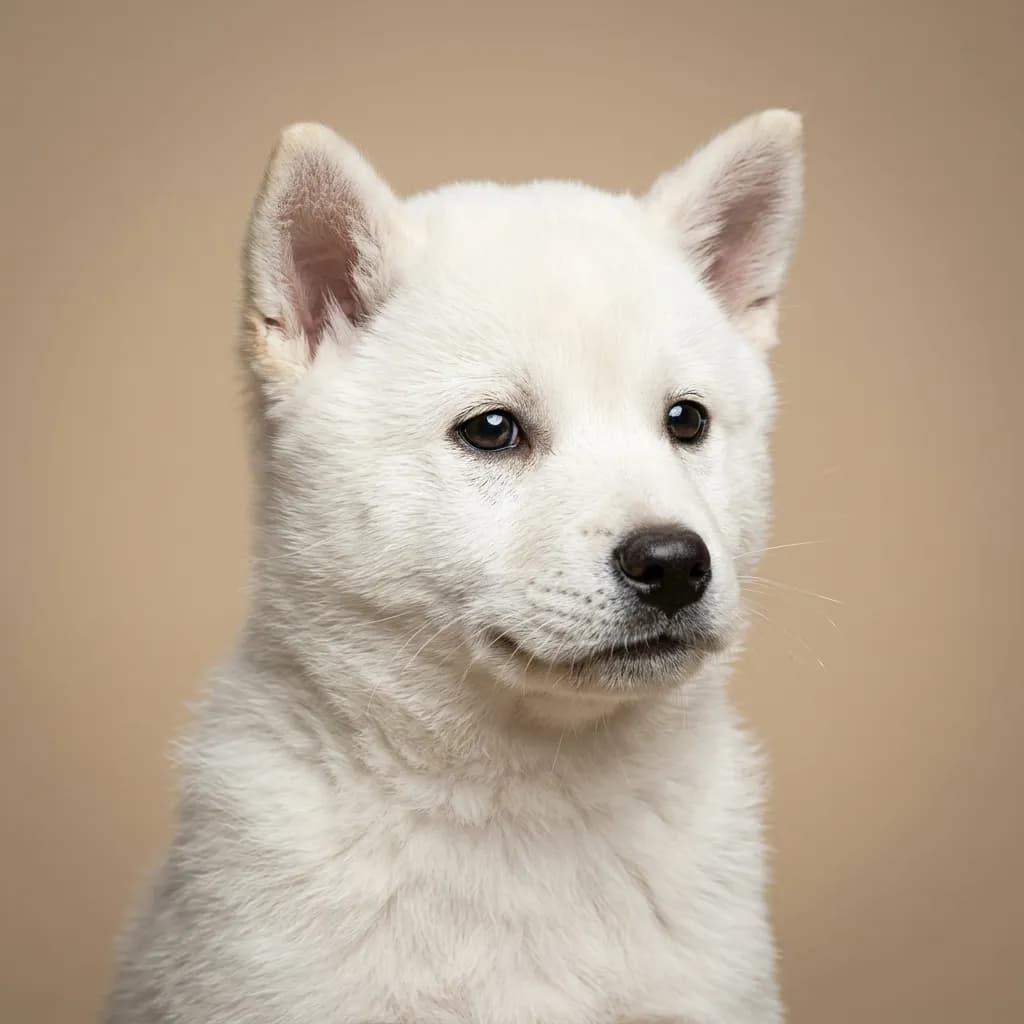
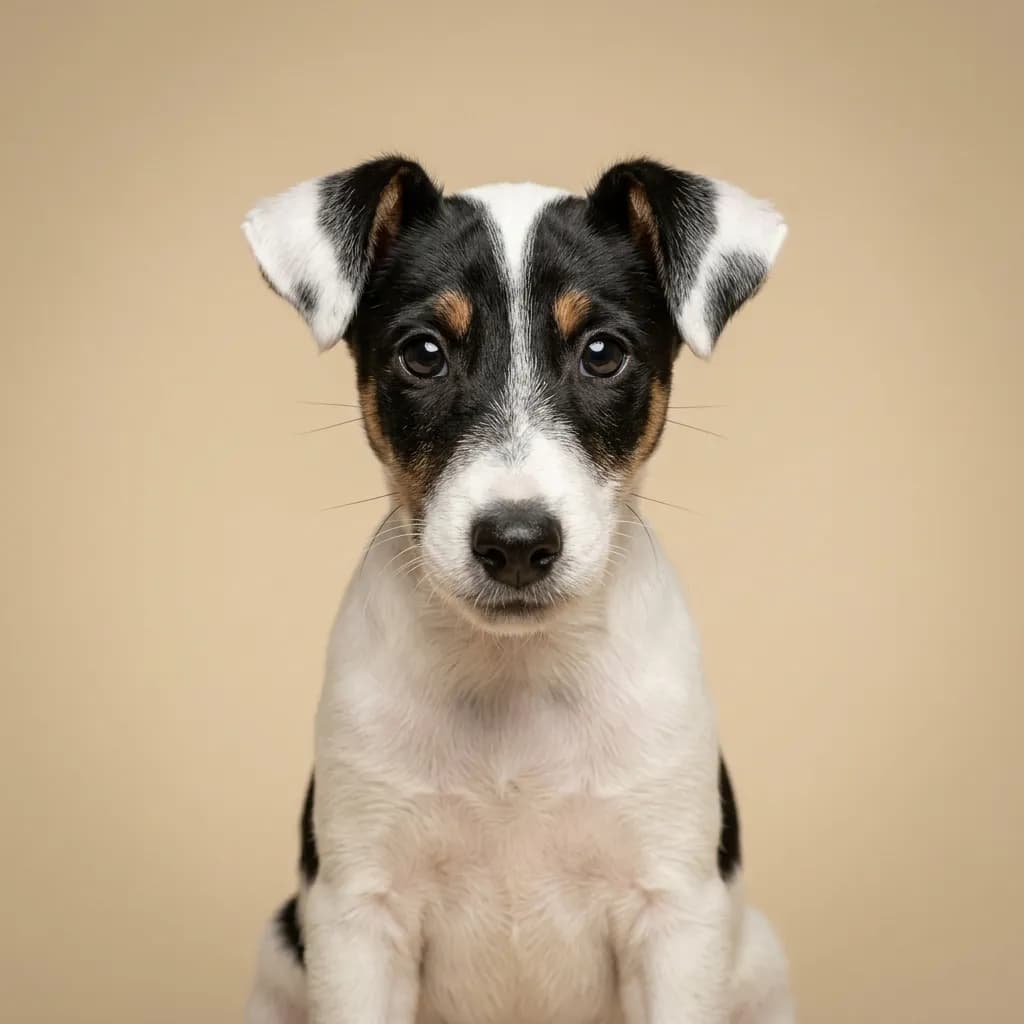
People compare Kishu Kens and Smooth Fox Terriers because both are mid-to-small sized, active, and have that sharp, alert look that says they’re always on duty. But that’s where the similarities end. These breeds come from opposite ends of the earth. and purpose. and choosing between them isn’t about preference, it’s about lifestyle compatibility. The Kishu Ken is a quiet, dignified hunter from the mountains of Japan. Built to track boar and deer in cold, rugged terrain, this dog is reserved, deeply loyal, and intensely focused. It’s not the kind of dog that barks at the mailman; it’s the kind that watches the mailman like a hawk. It needs space, routine, and an owner who respects its independence. You’ll need experience. lots of it. because this breed doesn’t bend easily to training, and its instinct to chase small animals is strong enough to override recall. The Smooth Fox Terrier, by contrast, is a lively, affectionate sparkplug from England. It was built to bolt foxes from dens, which means it’s bold, fearless, and constantly tuned to 11. It barks. A lot. It wants to be with you, on the couch, in the yard, in the car. It’s more adaptable to suburban life and thrives in dog sports, but good luck keeping a rabbit or cat in the same home. Here’s the real difference: the Kishu Ken respects you from a distance. The Fox Terrier will lick your face and then dig a hole in your garden. If you want a stoic companion for quiet, rural living, go Kishu. If you want a goofy, loyal character who’ll keep you laughing and slightly exhausted, the Fox Terrier’s your dog. Just know. neither will truly listen when they catch a scent. That’s just terrier and primitive breed truth.
Trait-by-trait
Higher bar = more of that trait. Shedding, barking, drooling, grooming flipped for readability.Where they diverge
Choose the Kishu Ken if…
- Experienced dog owners
- Active owners
- Cold climates
- You value good with strangers — Kishu Ken scores noticeably higher.
Choose the Smooth Fox Terrier if…
- Active owners
- Dog sports enthusiasts
- Families with older children
- You value barking level — Smooth Fox Terrier scores higher here.