Kishu Ken vs Xoloitzcuintli
Side-by-side comparison across all 14 AKC trait ratings, with a clear verdict on which breed fits which kind of household.
Not sure which breed fits your life?
Answer five questions about your home, your schedule, and your tolerance for shedding. We’ll match you to your top three breeds from over 200.
Kishu Ken vs Xoloitzcuintli
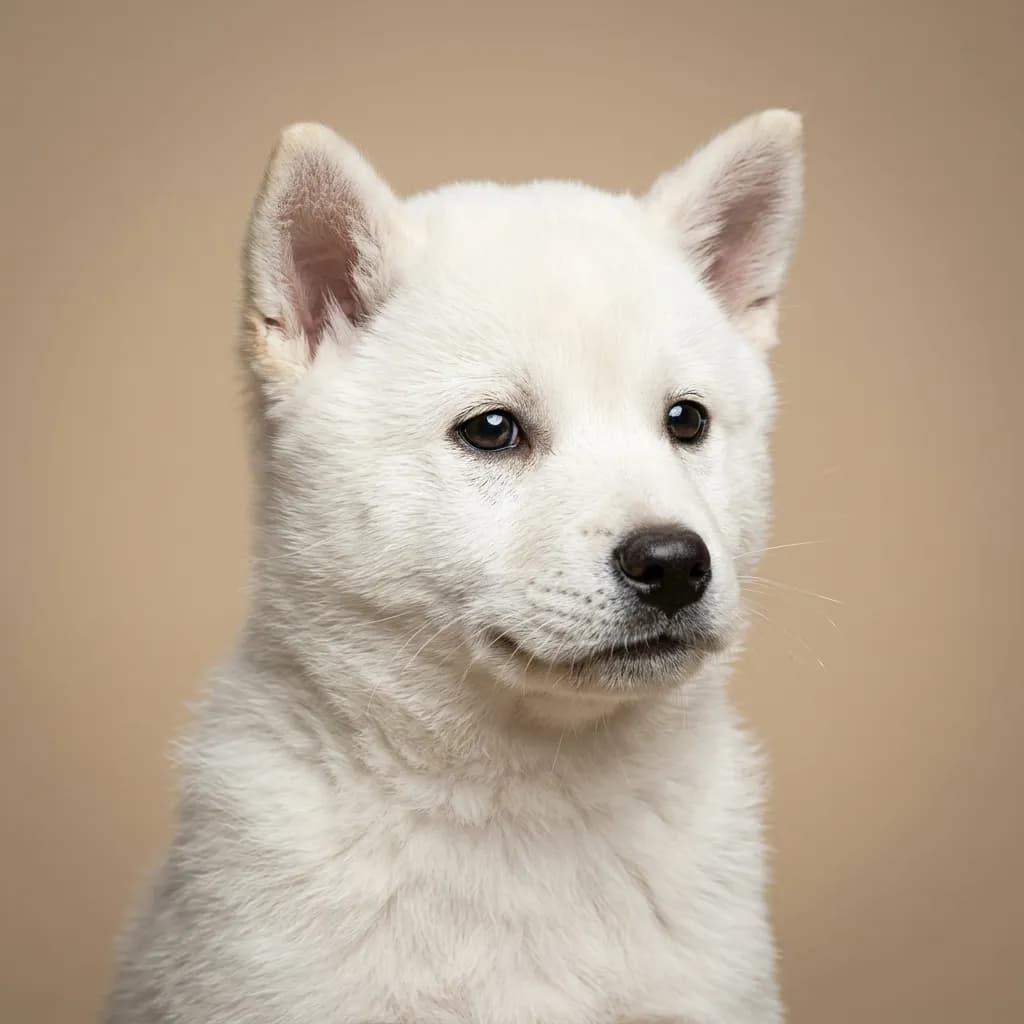
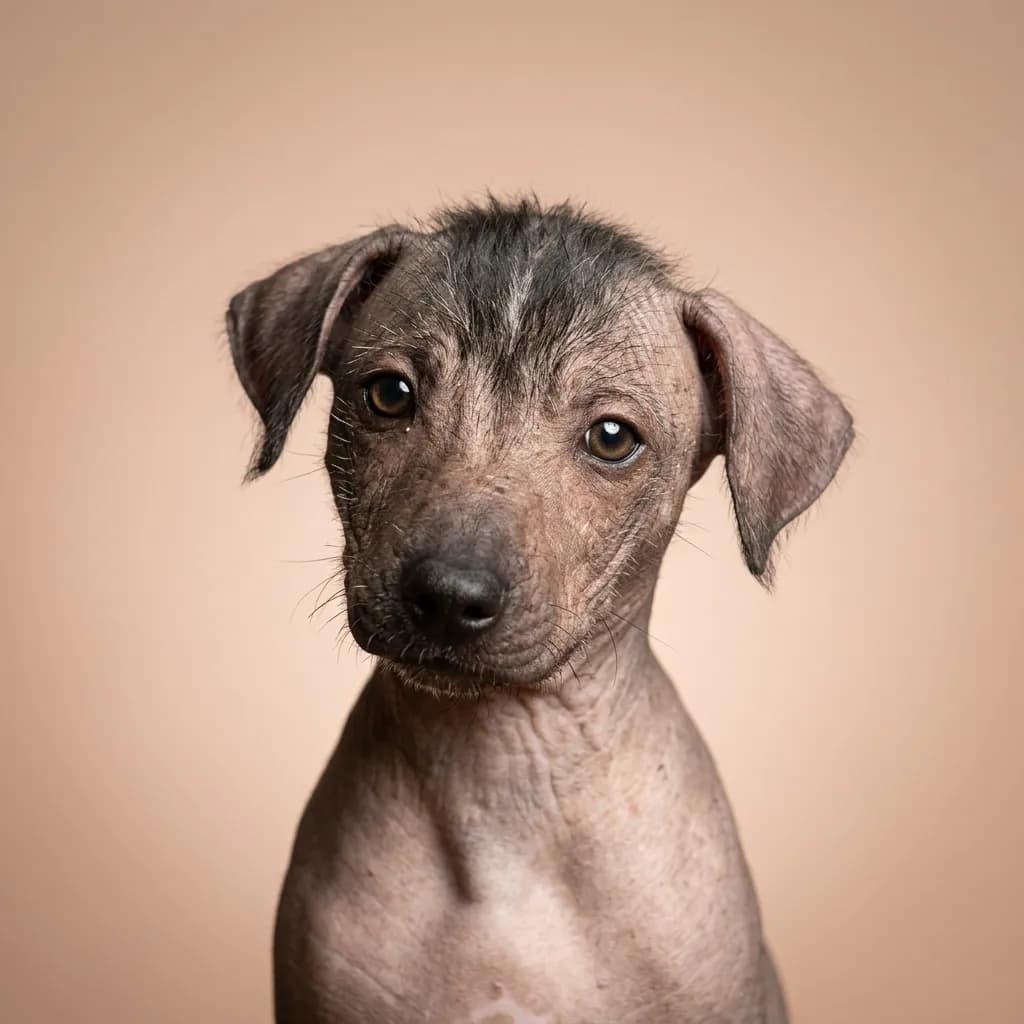
You don’t see people lining up to compare a Kishu Ken and a Xoloitzcuintli every day. But if you’re deep into rare breeds, drawn to ancient lines with cultural weight, you start noticing parallels. both are primitive, both fiercely loyal, and both carry an almost otherworldly presence. That’s where the similarity ends. The Kishu Ken is a quiet storm. Bred to hunt boar in the mountain forests of Japan, this dog is reserved, intensely focused, and deeply independent. It won’t bark much, but it watches everything. You’ll need experience to earn its trust, and rural space for it to breathe. It’s not cold-hearted, but affection comes on its terms. If you live in a snowy state and want a stoic partner who’ll jog beside you in silence, this dog fits. The Xolo, especially the hairless kind, is like nothing else on earth. Ancient Aztecs believed it could guide spirits; modern owners find it clings to theirs. It’s warm-blooded in the most literal sense. literally radiating heat. and emotionally it’s just as hot. Devoted to its people, it thrives in homes where someone’s around. It’s more adaptable than the Kishu, does fine in apartments, and wins over families. but its skin needs sunscreen, moisturizer, and protection from winter air. Here’s what the data won’t tell you: the Kishu will test your patience with aloofness, but the Xolo will test your routine. One asks for space, the other demands presence. Pick the Kishu if you want a noble shadow in the woods. Choose the Xolo if you want a warm, wrinkled face pressed to your chest at midnight. Just know. neither will act like a “normal” dog. And if you’re okay with that, you’ve probably already fallen for one.
Trait-by-trait
Higher bar = more of that trait. Shedding, barking, drooling, grooming flipped for readability.Where they diverge
Choose the Kishu Ken if…
- Experienced dog owners
- Active owners
- Cold climates
- You value shedding level — Kishu Ken scores noticeably higher.
Choose the Xoloitzcuintli if…
- People with dog allergies
- Experienced dog owners
- Those wanting a rare and ancient breed
- You value affectionate w/ family — Xoloitzcuintli scores higher here.