Komondor vs Pudelpointer
Side-by-side comparison across all 14 AKC trait ratings, with a clear verdict on which breed fits which kind of household.
Not sure which breed fits your life?
Answer five questions about your home, your schedule, and your tolerance for shedding. We’ll match you to your top three breeds from over 200.
Komondor vs Pudelpointer
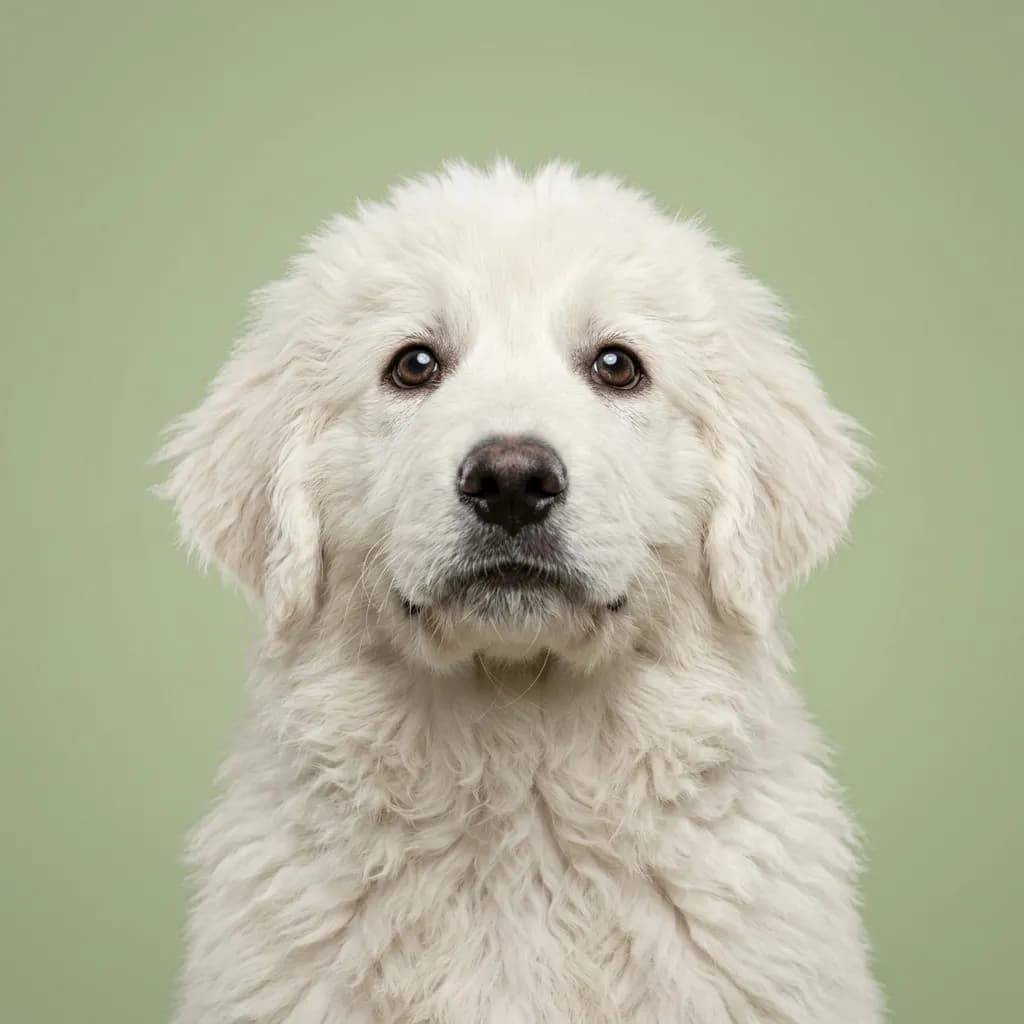
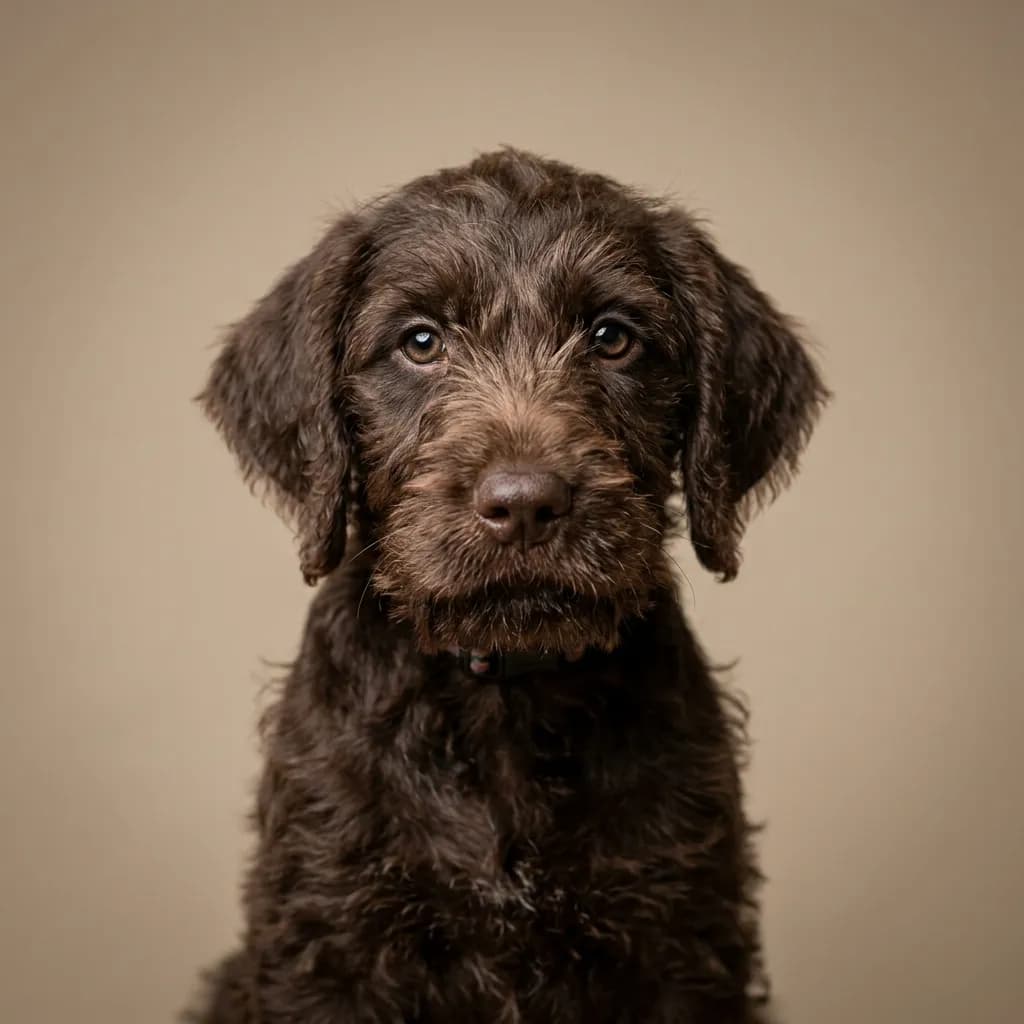
You’re probably not comparing a Komondor and a Pudelpointer because they’re obvious rivals. You’re doing it because you want a big, capable dog and you’ve stumbled into two deeply specialized breeds with very different answers to the same question: what should a dog be? The Komondor is a fortress with a conscience. That mop-like coat isn’t a gimmick, it’s armor. developed to blend into flocks and shrug off wolf bites while guarding sheep on open Hungarian plains. This dog lives for duty. It’s fiercely loyal and dignified, but not eager to please. You’ll need experience to earn its cooperation. It’s not the loudest breed, but it won’t hesitate to act if it senses threat. If you live on acreage, run livestock, and value calm vigilance over fetch sessions, the Komondor makes sense. But you’ll spend hours maintaining that corded coat, and good luck taking it on a whim to a dog park. The Pudelpointer is a working athlete bred for partnership. A German blend of Poodle and Pointer, it’s driven but biddable, happiest when blazing through fields or diving into cold water after birds. It bonds closely with active owners, especially hunters who need a dog that points, retrieves, and tracks with focus. It’s easier to train, more adaptable to different homes. so long as it gets serious daily exercise. and its wiry coat is low-maintenance compared to the Komondor’s dreadlocks. Here’s the real difference: the Komondor decides when to listen. The Pudelpointer waits for your command. If you want a co-pilot, go Pudelpointer. If you want a steadfast guardian that respects you as an equal, consider the Komondor. but only if you can meet its need for space, purpose, and respect.
Trait-by-trait
Higher bar = more of that trait. Shedding, barking, drooling, grooming flipped for readability.Where they diverge
Choose the Komondor if…
- Livestock guardians
- Rural or farm living
- Experienced dog owners
- You value coat grooming — Komondor scores noticeably higher.
Choose the Pudelpointer if…
- hunters
- very active owners
- waterfowl and upland bird hunters
- You value shedding level — Pudelpointer scores higher here.