Labrador Retriever vs Newfoundland
Side-by-side comparison across all 14 AKC trait ratings, with a clear verdict on which breed fits which kind of household.

Not sure which breed fits your life?
Answer five questions about your home, your schedule, and your tolerance for shedding. We’ll match you to your top three breeds from over 200.
Labrador Retriever vs Newfoundland
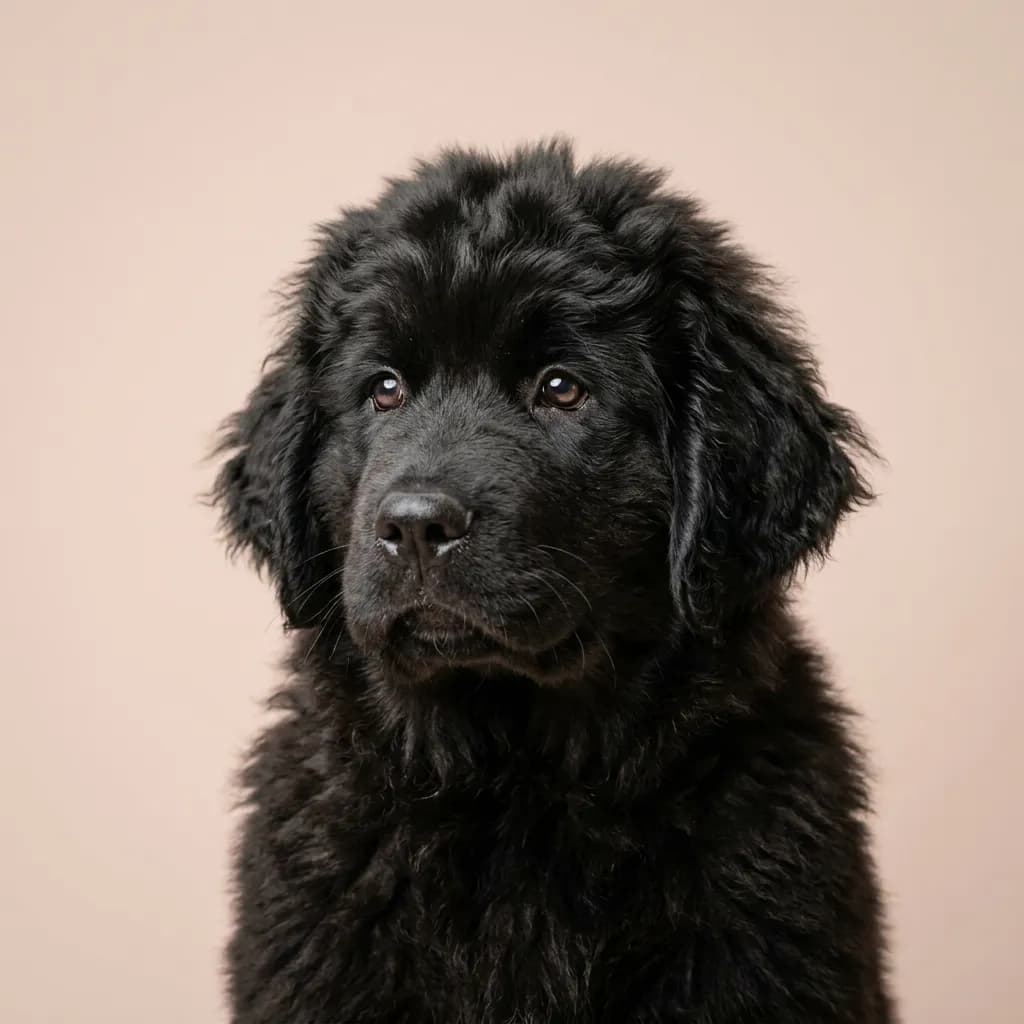
People compare Labradors and Newfoundlands because both are big, family-friendly dogs with water-loving hearts. They’re the go-to for parents wanting a gentle, kid-tolerant companion. But that’s where the surface-level similarity ends. A Labrador is your energetic co-pilot. At 55 to 80 pounds, they’re athletic, sharp, and always ready for a hike, swim, or training session. They thrive on activity and mental challenges, which is why they dominate service dog programs. You’ll need to keep up. they want to be involved in everything, from fetch to obedience to just tagging along on errands. But they shed heavily, and if you don’t meet their exercise needs, you’ll end up with a bored, possibly destructive dog. Newfoundlands are the calm giants. Weighing 100 to 150 pounds, they move like slow-motion tanks with hearts of gold. They’re not built for speed or agility drills. Instead, they’re happiest lounging by the water or drifting beside a canoe, ready to rescue if needed. They drool. A lot. And while they’re incredibly patient with kids. often acting as live-in nannies. their size alone means you need space, a sturdy couch, and a tolerance for slobber on your sleeve. Choose the Labrador if you’re active, want a trainable partner, and don’t mind shedding and upkeep. Pick the Newfoundland if you value calm, devotion, and have room for a gentle giant. but be ready for health costs and a shorter lifespan. Here’s the real talk: Labs grow into their energy, but Newfoundlands grow into their joints. By age three, many Newfoundlands show signs of dysplasia, so a reputable breeder who screens for hips and hearts isn’t optional. it’s essential. Don’t fall just for the teddy bear face. Plan for the long haul.
Trait-by-trait
Higher bar = more of that trait. Shedding, barking, drooling, grooming flipped for readability.Where they diverge
Choose the Labrador Retriever if…
- Families with children
- First-time owners
- Active individuals
- You value playfulness — Labrador Retriever scores noticeably higher.
Choose the Newfoundland if…
- Families with children
- Water and outdoor enthusiasts
- Those wanting a gentle giant
- You value drooling level — Newfoundland scores higher here.