Labrador Retriever vs Tornjak
Side-by-side comparison across all 14 AKC trait ratings, with a clear verdict on which breed fits which kind of household.
Not sure which breed fits your life?
Answer five questions about your home, your schedule, and your tolerance for shedding. We’ll match you to your top three breeds from over 200.
Labrador Retriever vs Tornjak
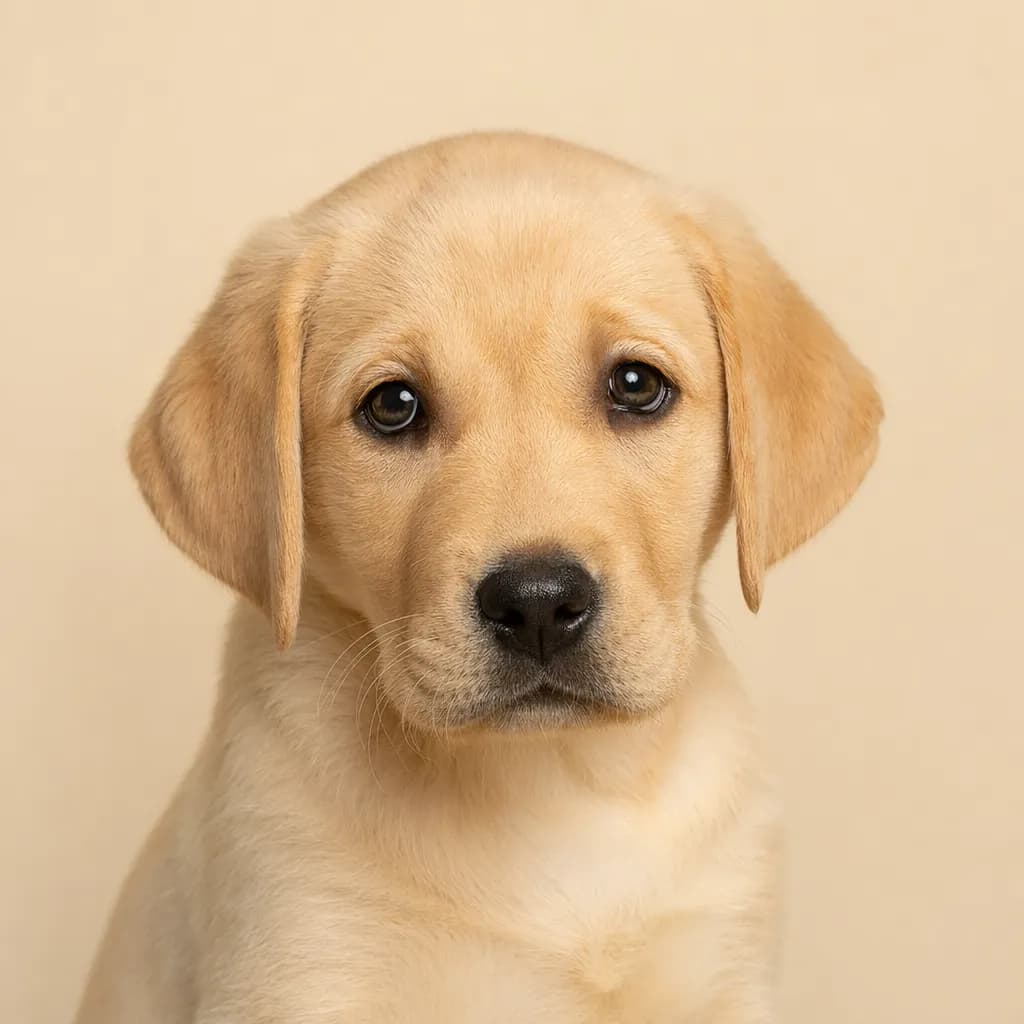
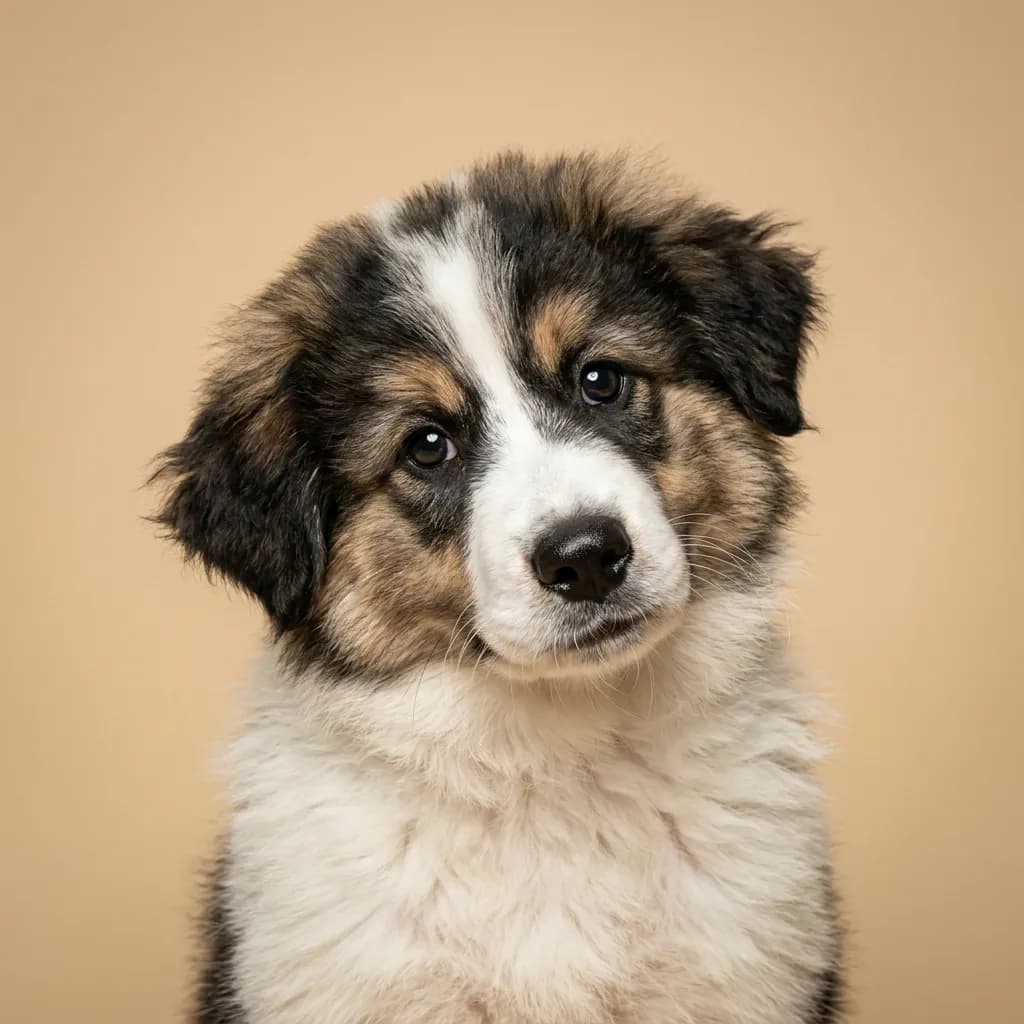
People compare Labrador Retrievers and Tornjaks because both are big, loyal, and friendly with their families. But that’s where the similarities end. Think of it like this: the Lab is your energetic, golden-hearted next-door neighbor who’s up for a run, a swim, or helping a kid with homework. The Tornjak is your quiet, watchful relative who lives on a mountain and knows exactly when something’s off in the woods. Labs are the ultimate all-rounders. They’re easy to train, adore kids, and adapt to city apartments. just as long as you’re ready to vacuum up a blizzard of fur twice a year. They need serious daily exercise and mental work. Skip it, and you’ll come home to chewed shoes and a dog who’s bored enough to reorganize your kitchen. Tornjaks are working guardians first. They’re calm and deeply bonded, but they’re not eager-to-please like Labs. They’re independent thinkers, bred to make decisions alone on remote pastures. That means training takes patience and consistency. They’re not built for small homes or hot cities. This dog thrives in space, cold weather, and with a job. like watching over a farm or a flock. Kids aren’t their natural focus, so supervision is key. If you’re active, want a people-focused dog, and live in a suburban or urban area, the Lab’s your match. If you’re an experienced owner with land, cooler weather, and need a protective presence, the Tornjak makes sense. Here’s what the data won’t tell you: Labs bond through activity. play, work, fetch. Tornjaks bond through presence. One pulls you into their world. The other stands quietly beside you, guarding it.
Trait-by-trait
Higher bar = more of that trait. Shedding, barking, drooling, grooming flipped for readability.Where they diverge
Choose the Labrador Retriever if…
- Families with children
- First-time owners
- Active individuals
- You value good with other dogs — Labrador Retriever scores noticeably higher.
Choose the Tornjak if…
- Experienced large-breed owners
- Farm or rural settings
- Livestock guardian needs
- You value watchdog / protective — Tornjak scores higher here.