Lakeland Terrier vs Papillon
Side-by-side comparison across all 14 AKC trait ratings, with a clear verdict on which breed fits which kind of household.

Not sure which breed fits your life?
Answer five questions about your home, your schedule, and your tolerance for shedding. We’ll match you to your top three breeds from over 200.
Lakeland Terrier vs Papillon
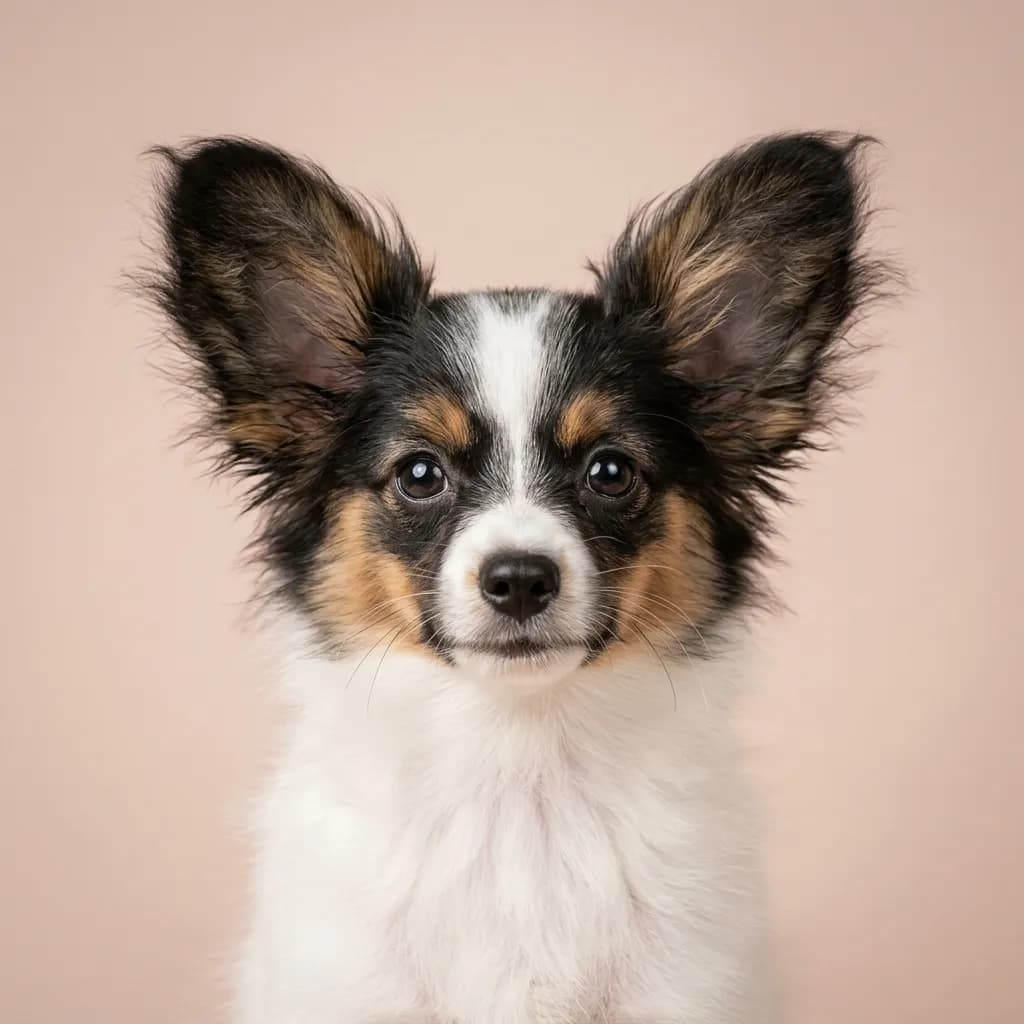
You’re probably comparing a Lakeland Terrier and a Papillon because you want a small dog with a big personality. Both are energetic, affectionate, and thrive on human connection. But that’s where the similarities end. Think of it like choosing between a scrappy hill climber and a glittery circus star. The Lakeland is a working terrier through and through. Bred to chase foxes out of rocky dens in England’s Lake District, this 17-pound firecracker is bold, independent, and built for action. He’ll love hiking, exploring, and having a job to do. He’s great with older kids and adapts well to different living situations, but don’t expect him to ignore the squirrel in your backyard. His prey drive is high, and he won’t always listen when something catches his interest. Training? Possible, but you’ll need patience. he’s smart but opinionated. The Papillon, in contrast, is a natural show-off. With those iconic butterfly ears and a spring in his step, he’s happiest when he’s learning tricks, competing in agility, or perched on your lap. At 5 to 10 pounds, he’s half the size of a Lakeland and twice as eager to please. He’ll learn commands fast, love your whole family, and bark at every doorbell. but that also means he can be high-strung in chaotic households with toddlers. Here’s the real talk: if you want a dog that feels like a partner in adventure, with some grit and independence, go Lakeland. If you want a tiny, brilliant entertainer who lives for praise and performance, the Papillon’s your match. Just remember. neither will be quiet, and both need mental work. A bored Papillon turns into a yappy tornado. A bored Lakeland will dig your garden into a moonscape. Keep their brains busy, and you’ve got a loyal friend for 14 years or more.
Trait-by-trait
Higher bar = more of that trait. Shedding, barking, drooling, grooming flipped for readability.Where they diverge
Choose the Lakeland Terrier if…
- Active owners
- Experienced terrier handlers
- Allergy sufferers
Choose the Papillon if…
- Apartment living
- Active owners
- Families with older children
- You value good with young children — Papillon scores higher here.