Lakeland Terrier vs Pudelpointer
Side-by-side comparison across all 14 AKC trait ratings, with a clear verdict on which breed fits which kind of household.

Not sure which breed fits your life?
Answer five questions about your home, your schedule, and your tolerance for shedding. We’ll match you to your top three breeds from over 200.
Lakeland Terrier vs Pudelpointer
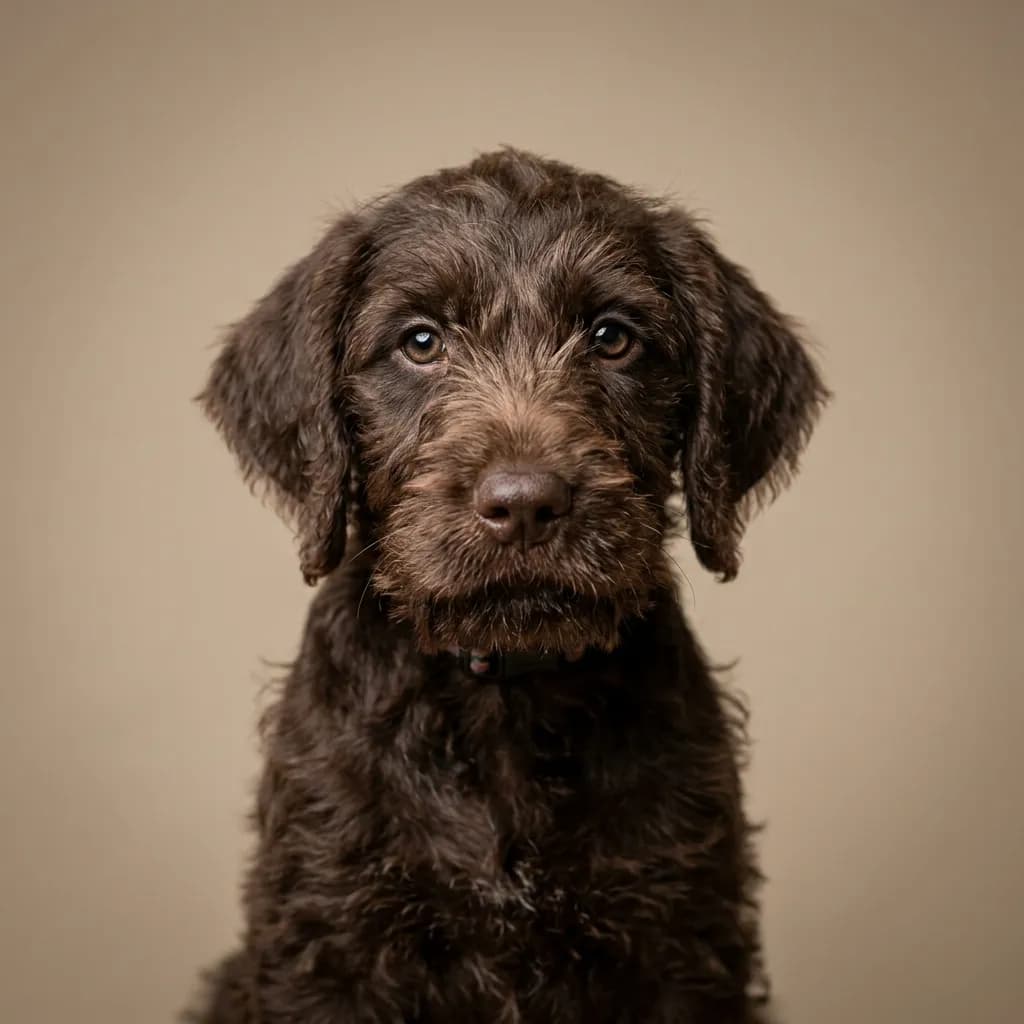
You’re probably not comparing a Lakeland Terrier and a Pudelpointer because they’re obvious rivals. But if you’re stuck between them, here’s what’s really happening: you’re torn between a scrappy, independent-minded fox hunter from the English fells and a German-engineered, all-terrain hunting machine built to work all day in water and brush. One weighs barely more than a large bag of dog food, the other can outweigh you at 70 pounds. The Lakeland is bold, affectionate, and surprisingly adaptable for a terrier. At 15 inches and under 20 pounds, it fits in a condo, but only if you’re ready for that terrier spark. destructive if bored, relentless with small animals, and not always in the mood to obey. It’s great with older kids who respect its feistiness, and it’s low-shedding, so it’s a solid pick for allergy sufferers who still want a dog with personality. The Pudelpointer is a different beast entirely. It’s not just bigger, it’s mission-driven. This dog needs purpose. If you’re not hunting, training, or at least hiking through swamps with a bumper, it’ll turn your backyard into a digging pit. But trainability? Off the charts. It’ll learn faster, work harder, and stay focused in ways the Lakeland, with its 3/5 biddability, simply won’t. Here’s the real talk: the Lakeland thrives in a home that appreciates terrier quirks and can manage its prey drive. The Pudelpointer isn’t really a pet in the traditional sense. it’s a working partner. If you don’t have a field, a gun, or a serious outdoor lifestyle, you’re fighting its nature. Pick the Lakeland if you want a compact, loyal companion with edge. Pick the Pudelpointer only if you’re ready to work.
Trait-by-trait
Higher bar = more of that trait. Shedding, barking, drooling, grooming flipped for readability.Where they diverge
Choose the Lakeland Terrier if…
- Active owners
- Experienced terrier handlers
- Allergy sufferers
- You value affectionate w/ family — Lakeland Terrier scores noticeably higher.
Choose the Pudelpointer if…
- hunters
- very active owners
- waterfowl and upland bird hunters
- You value drooling level — Pudelpointer scores higher here.