Lapponian Herder vs Neapolitan Mastiff
Side-by-side comparison across all 14 AKC trait ratings, with a clear verdict on which breed fits which kind of household.

Not sure which breed fits your life?
Answer five questions about your home, your schedule, and your tolerance for shedding. We’ll match you to your top three breeds from over 200.
Lapponian Herder vs Neapolitan Mastiff
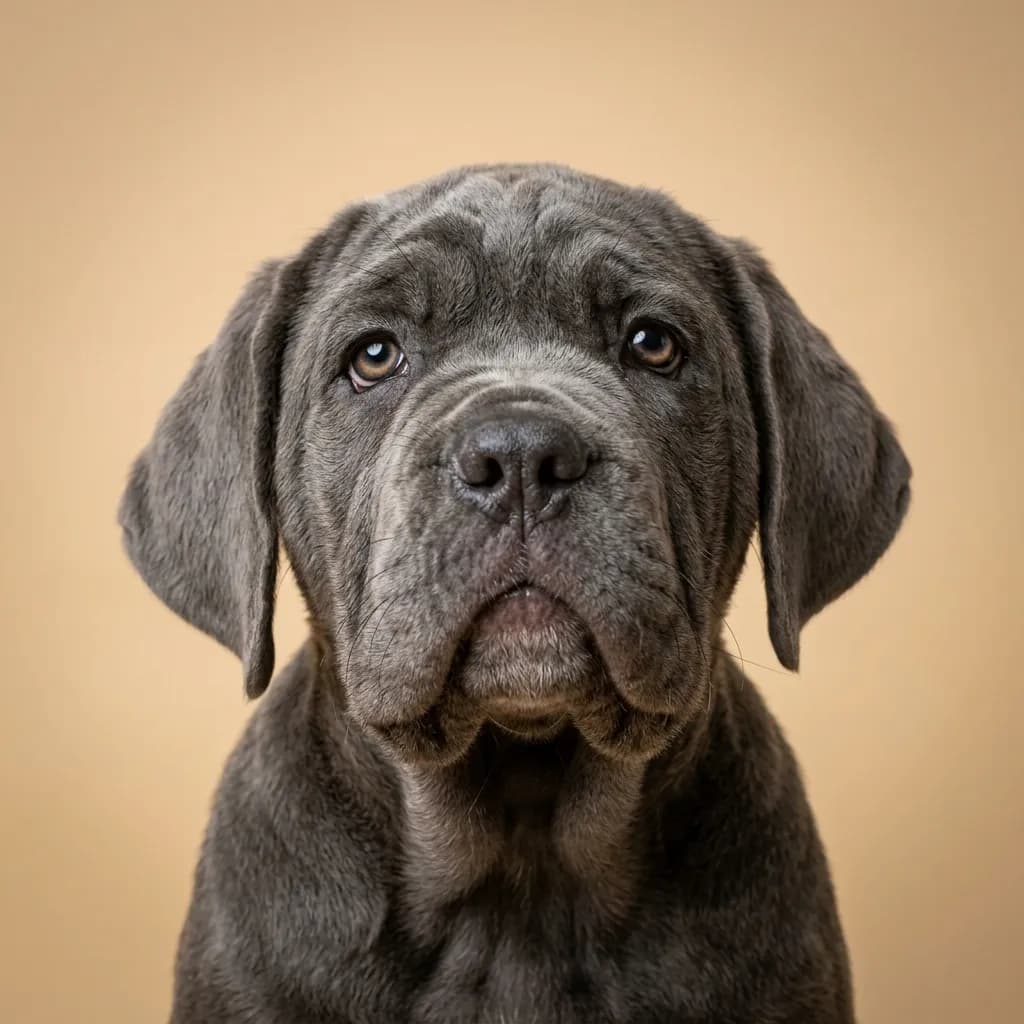
You might wonder why anyone would compare a reindeer-herding dog from Arctic Finland to a drooling ancient war mastiff from Rome. But here’s the truth: both show up in searches when people are drawn to rare, powerful working breeds with deep history. That’s where the similarity ends. The Lapponian Herder is built for motion. At 70 pounds of lean muscle, this dog thrives on movement, snow, and mental challenges. If you’re hiking, skijoring, or need a partner for outdoor adventures, the Herder will match your energy. They’re friendly but not lazy; you’ll need daily walks, training, and cold weather to keep them happy. Kids? They can be okay, but their energy might knock over a toddler. And yes, they bark. a lot. especially if bored. The Neapolitan Mastiff is the opposite force. This 150-pound guardian isn’t built to run; he’s built to stand. With folds of skin and a presence that stops strangers cold, he’s a living statue with loyalty baked in. He doesn’t bark much, but his silence is more intimidating than most dogs’ growls. He’s not a fan of heat, stairs, or fast movement, and you’ll spend time cleaning drool off your floors. Bloat is a real risk, so feeding strategy matters. He’s not for first-time owners because sheer size demands early, consistent training. Here’s the insight no chart tells you: the Herder needs purpose, the Mastiff needs patience. Pick the Herder if you want an active collaborator. Pick the Mastiff if you’re ready to manage a gentle giant whose greatest skill is just being there. One pulls, the other stands. Choose based on which kind of strength fits your life.
Trait-by-trait
Higher bar = more of that trait. Shedding, barking, drooling, grooming flipped for readability.Where they diverge
Choose the Lapponian Herder if…
- active families
- cold climates
- herding and working dog enthusiasts
- You value barking level — Lapponian Herder scores noticeably higher.
Choose the Neapolitan Mastiff if…
- Experienced large-breed owners
- Those wanting an imposing guard dog
- Homeowners with space
- You value drooling level — Neapolitan Mastiff scores higher here.